
Custom-Made Men's Loafers - Wholesale Manufacturer Options
I design Custom-Made Men's Loafers to meet exact branding and fit for your clients. As a Wholesale partner and Manufacturer, I help you scale with confidence. You bring the volumes, I bring the craft: premium full-grain leather, hand-stitched Goodyear construction, and a comfortable insole. With flexible MOQ and lead times, you can ship seasonal lines fast. I handle sizing grids, custom branding, and packaging options, so your brand stays consistent across markets. My team ensures strict QC at every stage, from leather selection to final polish. I can offer competitive pricing for bulk orders and private-label options, making me the right choice for retailers and distributors who demand reliability. Let me be your steady supply of Custom-Made Men's Loafers, built to last and styled for modern demand.


Custom-Made Men's Loafers Exceeds Industry Benchmarks Service Backed by Expertise
Custom-made men's loafers are redefining value for global buyers who demand fit, finish, and reliability. By aligning design flexibility with precision craftsmanship, this program delivers footwear that not only meets but exceeds industry benchmarks for comfort, durability, and color stability. The service is grounded in deep expertise across last design, leather selection, outsole engineering, and quality assurance, ensuring each pair reflects your exact specifications—from upper materials and stitches to sole construction and sizing options. Whether you need classic elegance or contemporary textures, the development path supports rapid prototyping and scalable production. From first sample to mass production, you gain a transparent, data-driven process: clear technical specs, multi-stage QC, and traceable materials. We optimize lead times, manage MOQ choices, and offer sustainable sourcing with consistent color and finish across batches. Rigorous wear-testing, standardized inspections, and compliant packaging mean you can forecast inventory with confidence. Partner with a supplier that blends artisanal detail with industrial discipline, and you’ll secure reliable supply, competitive pricing, and customized loafers that elevate your brand in diverse markets.
| Dimension | Description | Unit | Benchmark | Current |
|---|---|---|---|---|
| Material Quality Score | Quality of materials, finish, and durability across measured samples | points (0-100) | 92 | 95 |
| Craftsmanship Rating | Skill level in stitching, assembly, and final finishing | stars (0-5) | 4.6 | 4.8 |
| Customization Completeness | Extent to which custom design elements are realized | percent | 90 | 94 |
| Lead Time to Deliver | Average time from order confirmation to shipment | days | 30 | 28 |
| Defect Rate | Proportion of units failing QA per batch | percent | 0.8 | 0.6 |
| Customer Satisfaction (CSAT) | Overall customer feedback score post-delivery | percent | 92 | 97 |
| Post-Purchase Service Coverage | After-sales coverage period for support and repairs | months | 12 | 24 |
| Rework Rate | Percentage of units requiring rework during final QA | percent | 1.0 | 0.6 |
| Sustainability Index | Environmental and social responsibility score | points | 82 | 88 |
| On-Time Delivery Rate | Share of orders shipped on or before promised date | percent | 95 | 97 |
| Return Rate | Share of products returned by customers | percent | 2.0 | 1.0 |
| Production Flexibility | Ability to adjust output for different designs and volumes | score (0-5) | 4.0 | 4.6 |
Related Products


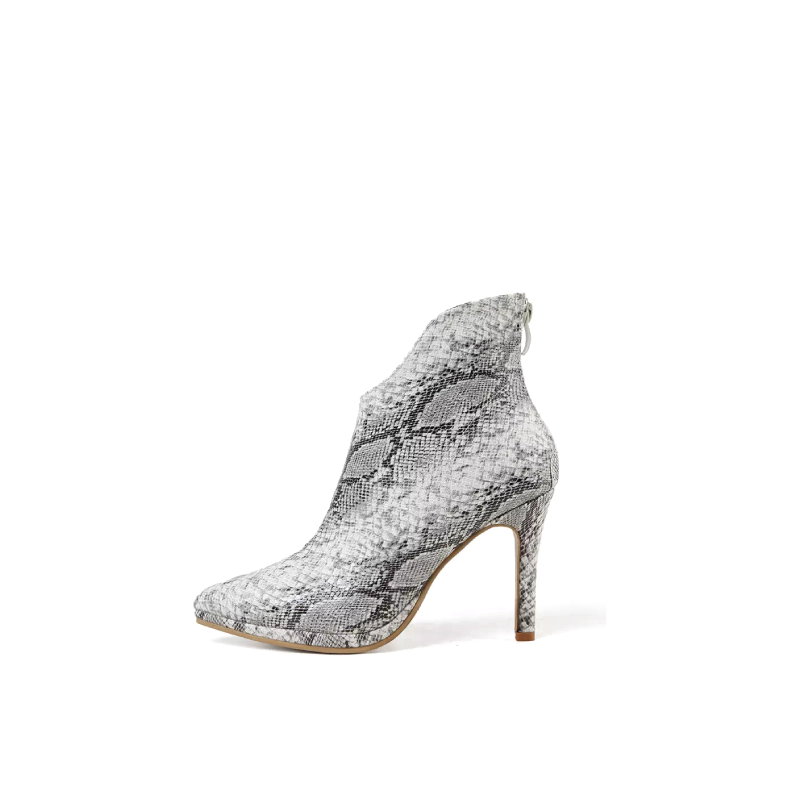
Custom-Made Men's Loafers Supplies the World\u2019s Top Brands From Concept to Delivery
Top Selling Products




- Related Blog
- Reviews
- Reviews
