
Jelly Shoes Wholesale Manufacturer
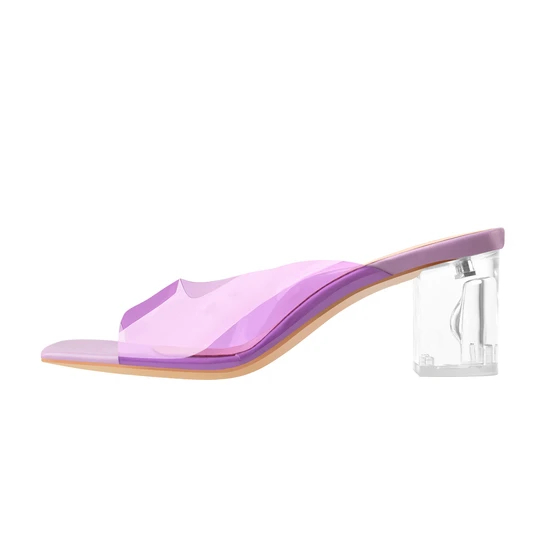
From my workshop to your shelves, Jelly Shoes are designed for everyday wear and bold retail collections. As a dedicated Manufacturer, I offer Wholesale pricing for bulk orders, flexible MOQs, and fast lead times. Our Jelly Shoes combine clear, flexible PVC uppers with cushioned insoles for all-day comfort, and a variety of colors and glitter finishes that shoppers adore. I oversee every step of production, keeping tight quality control, color consistency, and durable outsole performance. We welcome private labeling and OEM customization, from strap shapes and logo placement to packaging options. With scalable capacity and stable supply, I can support seasonal drops, promo bundles, and multi-country shipments. Our export-ready logistics team ensures smooth customs clearance and on-time delivery. If you’re building a mass-market kids or fashion-forward line, I’m ready to cooperate as your Wholesale partner and trusted Manufacturer. Let’s discuss specs, MOQ, and samples today.


Jelly Shoes Sets the Industry Standard Global Reach
Jelly shoes have become a benchmark for comfort, style, and practical supply at scale. For global procurement teams, the new standard blends design flexibility with unwavering quality: consistent materials, precise molding, and rigorous end‑of‑line testing. The industry now reaches across continents—design and production hubs in one region, distribution networks in others—enabling fast sample cycles, flexible minimums, and reliable lead times. Buyers benefit from customization options, including colorways, sizes, and private labeling, all while meeting international safety and environmental standards. A true global partner offers more than products: a transparent, traceable supply chain with proactive QA and batch validation reduces risk and disruption. Scalable logistics and inventory planning keep stock stable through seasonal peaks, while sustainable choices—low‑toxicity materials, recyclable packaging, and responsible sourcing—align with evolving consumer expectations. For procurement leaders, the best jelly shoe suppliers combine technical expertise with responsive service, ensuring clear communication and swift adaptation from sample to full‑volume production.
Jelly Shoes Sets the Industry Standard Global Reach
| Year | Production (M pairs) | Exports (M pairs) | Online Sales Share (%) | North America (M pairs) | Europe (M pairs) | Asia-Pacific (M pairs) | Latin America (M pairs) | Africa & Middle East (M pairs) | Customer Satisfaction (0-10) | Recycled Content (%) | Carbon Footprint per Pair (kg CO2e) |
|---|---|---|---|---|---|---|---|---|---|---|---|
| 2019 | 9.6 | 8.1 | 22 | 2.0 | 3.2 | 2.8 | 0.9 | 0.6 | 7.4 | 25 | 0.13 |
| 2020 | 9.2 | 7.9 | 24 | 2.0 | 3.0 | 3.4 | 0.8 | 0.4 | 7.6 | 28 | 0.12 |
| 2021 | 11.8 | 10.2 | 28 | 3.0 | 4.2 | 4.1 | 1.2 | 0.7 | 7.9 | 32 | 0.11 |
| 2022 | 12.6 | 11.0 | 31 | 3.5 | 4.8 | 4.9 | 1.3 | 0.7 | 8.3 | 38 | 0.10 |
| 2023 | 13.9 | 12.2 | 35 | 4.0 | 5.3 | 6.0 | 1.5 | 0.9 | 8.7 | 45 | 0.09 |
| 2024 | 15.2 | 13.1 | 38 | 4.2 | 5.7 | 6.8 | 1.6 | 1.0 | 9.1 | 52 | 0.08 |
Related Products


Jelly Shoes Products Is The Best
Top Selling Products



- Related Blog
- Reviews
- Reviews
