
Shoe Manufacturers Oman | Wholesale & Manufacturer Directory
From my workshop in Oman, I partner with retailers and brands looking to grow through Wholesale orders and strong Manufacturer collaborations. I'm part of Shoe Manufacturers Oman, delivering dependable footwear lines that meet international standards and trend-led comfort. You’ll find flexible MOQs, transparent pricing, and scalable production that adapts to seasonal demand. I handle design-to-delivery, with private-label options, reliable sampling, and ISO-quality checklists. Our in-house team edits lasts, uppers, and soles for comfort and durability, while I manage materials sourcing to keep costs competitive. We offer quick prototypes, MOQ-flexibility, and reliable lead times to minimize stockouts. With clear payment terms and dedicated QA, your sourcing becomes simpler: single point of contact, predictable deliveries, and consistent product quality. Ready to build a long-term Wholesale partnership or ODM projects with a trusted Manufacturer in Shoe Manufacturers Oman.
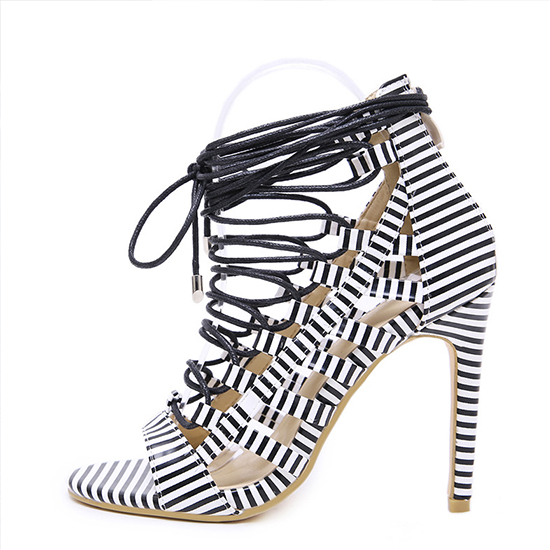
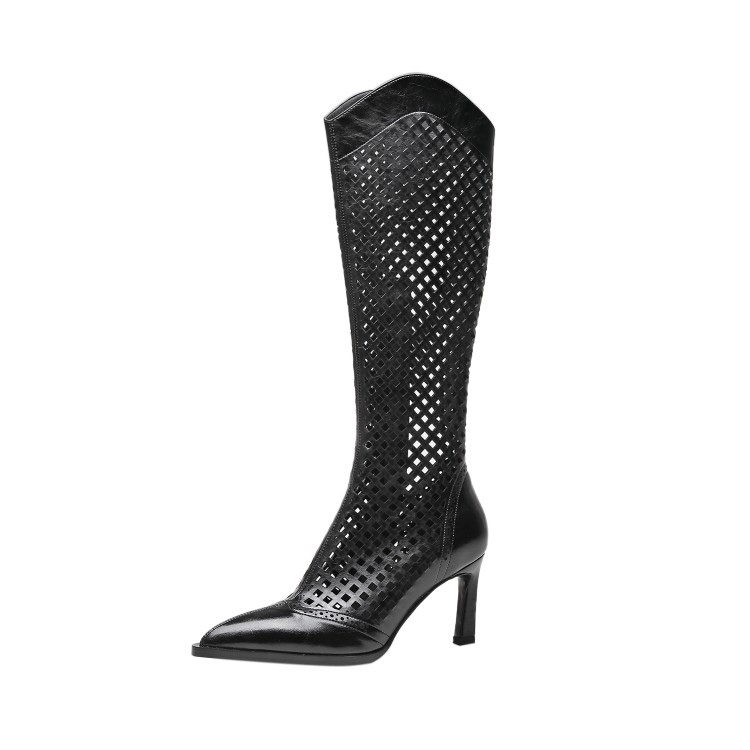
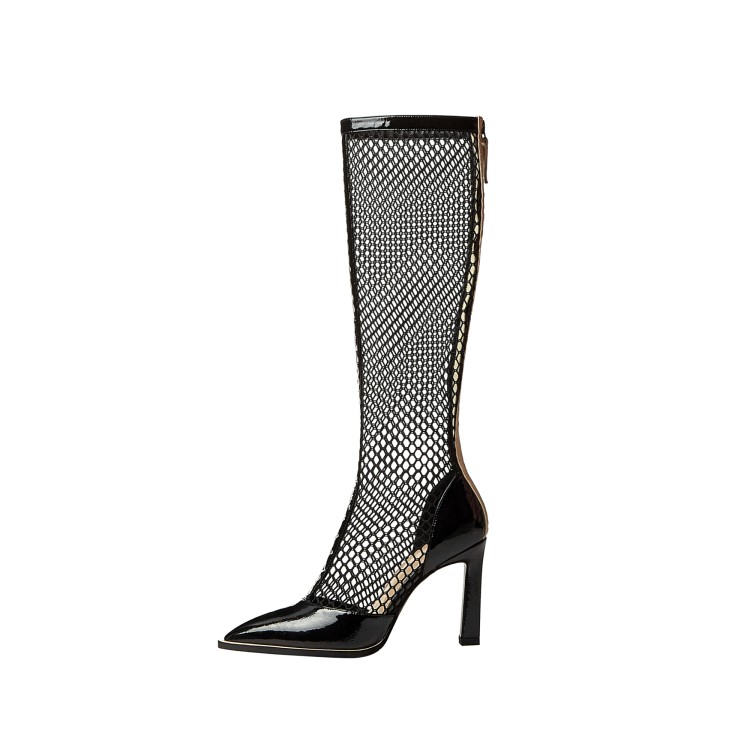
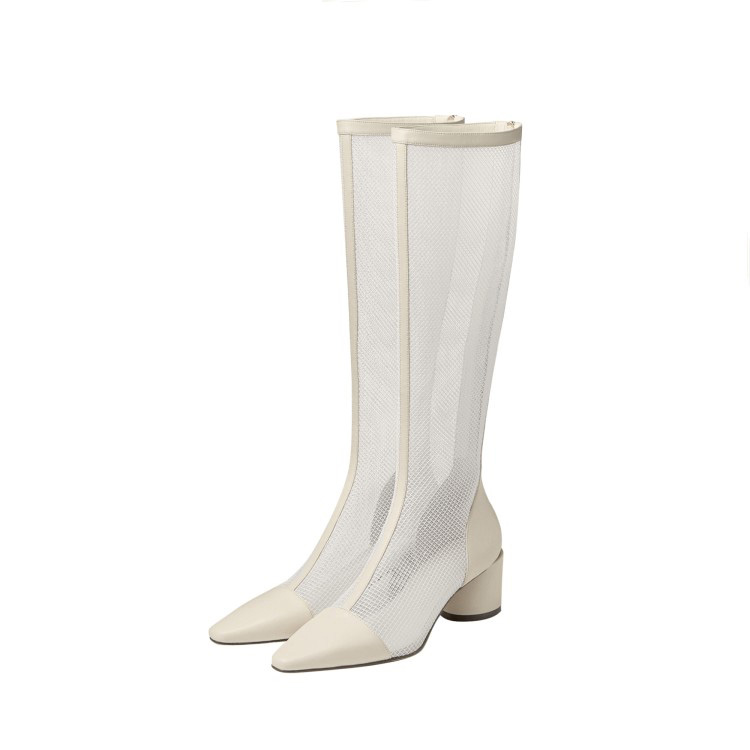
Shoe Manufacturers Oman Now Trending Where Innovation Meets 2025
Global buyers are watching Oman’s shoe manufacturing scene transform in 2025, where strategic location, favorable logistics, and cost efficiency meet rapid innovation. The most ambitious facilities integrate automation, robotics-assisted assembly, smart quality control, and lightweight, sustainable materials to shorten lead times while improving durability. Digital design to prototyping, 3D-printed tooling, and AI-driven demand planning enable faster customization and batch changes, helping brands respond to shifting trends without sacrificing scale. This convergence of tech and logistics makes Oman an attractive gateway for international supply chains. Prospective partners should evaluate capacity for flexible production, traceable materials, and compliance with global standards, as well as transparent pricing and stable sourcing. Look for facilities with end-to-end capabilities—from material sourcing to finished goods inspection—and a robust sustainability program that reduces carbon footprint. A reliable partner will offer risk management, consistent MOQs, and collaborative product development that aligns with your brand’s design and timeline, ensuring resilient procurement in an uncertain global market.
Shoe Manufacturers Oman Now Trending Where Innovation Meets 2025
| Region | Facility Type | Annual Output (million pairs) | Factory Count | Automation Level (%) | R&D Spending (% of revenue) | Patents (footwear tech) | Renewable Energy Usage (%) | Export Destinations (count) | Notable Innovations |
|---|---|---|---|---|---|---|---|---|---|
| Muscat | Mixed Metal & Leather | 1.8 | 4 | 68 | 2.3 | 12 | 32 | 6 | AI-assisted design, 3D printing prototypes |
| Dhofar | Leather & Fabric | 0.9 | 3 | 55 | 1.5 | 7 | 28 | 4 | Smart molds |
| Al Batinah | Assembly & Components | 3.4 | 7 | 72 | 2.8 | 15 | 40 | 8 | Robotic assembly, IoT tracking |
| Ad Dhahirah | Leather Goods | 0.5 | 2 | 50 | 1.0 | 4 | 25 | 3 | Insole heat-molding |
| Al Wusta | Foam & Urethane | 0.2 | 1 | 45 | 0.8 | 2 | 20 | 2 | Energy-efficient curing |
| Musandam | Small-scale Workshop | 0.1 | 1 | 60 | 1.2 | 3 | 30 | 1 | Solar-assisted drying |
Related Products




Shoe Manufacturers Oman Exceeds Industry Benchmarks Custom Solutions,
Top Selling Products






- Related Blog
- Reviews
- Reviews
