
Shoe Production Company: Wholesale Manufacturer Solutions
I lead a Shoe Production Company that understands what Wholesale buyers and Manufacturer partners need. We design and manufacture a wide range of footwear—from performance sneakers to durable work shoes—focused on quality, consistency, and scalable supply. When you work with me, you'll get dependable lead times, flexible MOQs, and tailored customization options to fit your brand. Our factory uses advanced stitching, sole bonding, and sustainable materials to ensure comfort and durability. I value transparent communication, proactive problem solving, and keeping your catalog stocked. We handle private labeling, bulk packaging, and rapid reorders, so you can grow your wholesale program with confidence. From initial design to finished product, I manage every step, ensuring compliance with safety and regulatory standards. If you're a Wholesale or Manufacturer looking to scale footwear, let's align on specs, MOQ, and pricing. We ship globally with quality control at every stage.





Shoe Production Company in 2025 Your End-to-End Solution
The shoe industry in 2025 requires a seamless path from concept to consumer. An end-to-end partner delivers design support, material sourcing, tooling and mold making, pattern development, and rapid sampling to shorten lead times and cut risk. By integrating in-house last design, CAD/CAM, 3D prototyping, and scalable production planning, buyers align aesthetics, fit, and performance early. ODM/OEM capabilities and efficient production workflows form the core of a modern supply chain. Beyond manufacturing depth, a credible partner offers rigorous QA, full traceability, and compliance across materials, assembly, and packaging. Expect a single-point contact, transparent project management, and status updates. With ISO and environmental certifications, sustainable processes, and low-emission logistics, global buyers gain reliability, competitive costs, and shorter cycles. The result is a resilient, scalable solution that protects IP and brand integrity while enabling market expansion.
Shoe Production Company in 2025 Your End-to-End Solution
| Month | Region | Production Line | Throughput (Pairs) | Defect Rate (%) | Energy Consumption (kWh) | CO2 Emissions (kg) | Labor Hours | Lead Time (days) | Automation Level (%) |
|---|---|---|---|---|---|---|---|---|---|
| 2025-01 | Asia-Pacific | Line A | 24,000 | 0.9 | 18,600 | 9,800 | 1,850 | 3 | 78 |
| 2025-02 | Asia-Pacific | Line A | 25,500 | 0.8 | 19,100 | 10,100 | 1,900 | 3 | 80 |
| 2025-03 | Europe | Line B | 18,700 | 1.2 | 16,800 | 9,200 | 1,650 | 4 | 72 |
| 2025-04 | Europe | Line B | 20,100 | 0.95 | 17,200 | 9,500 | 1,700 | 3 | 74 |
| 2025-05 | North America | Line C | 15,900 | 1.4 | 14,900 | 8,400 | 1,550 | 4 | 68 |
| 2025-06 | North America | Line C | 16,700 | 1.1 | 15,100 | 8,600 | 1,600 | 4 | 70 |
| 2025-07 | Asia-Pacific | Line A | 28,300 | 0.85 | 20,400 | 11,000 | 2,000 | 3 | 82 |
| 2025-08 | Asia-Pacific | Line A | 29,600 | 0.75 | 20,900 | 11,500 | 2,100 | 3 | 84 |
| 2025-09 | Europe | Line B | 21,800 | 0.93 | 18,000 | 9,900 | 1,750 | 3 | 77 |
Related Products


Shoe Production Company Ahead of the Curve More Than a Supplier - A Partner
Top Selling Products

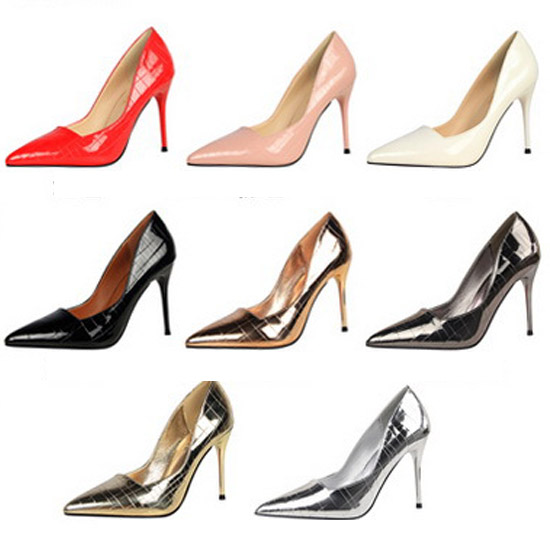
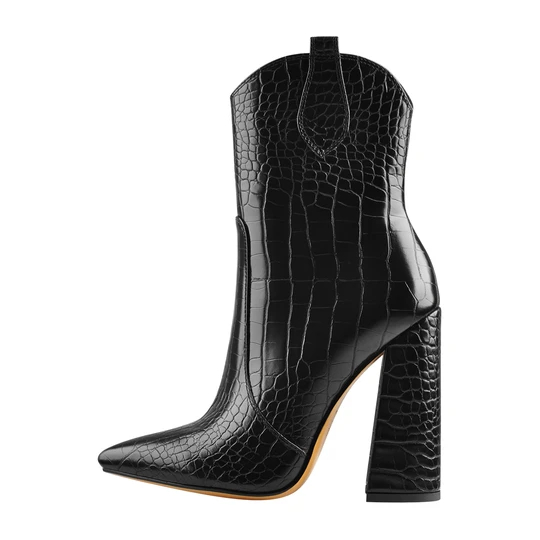
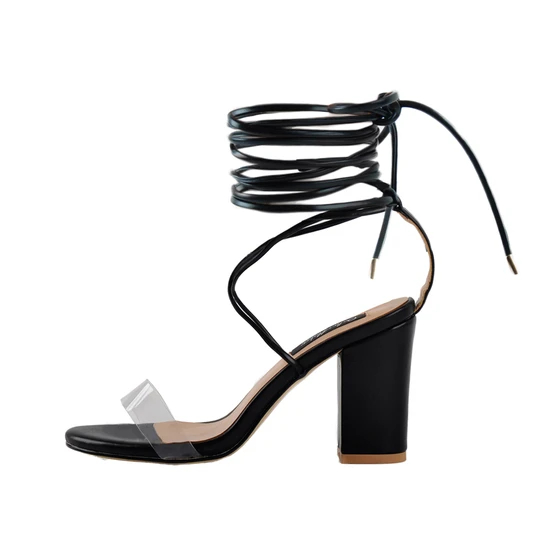
- Related Blog
- Reviews
- Reviews
