
Shoes Factory Near Me - Wholesale Manufacturer
From my workshop to your catalog, I am the Shoes Factory Near Me that serves wholesale buyers and manufacturers with reliable footwear production. We offer OEM/ODM options, bulk pricing, and rapid lead times. When you contact me, I can tailor designs, materials, and packaging to your brand. Our factory uses durable uppers, cushioned insoles, and slip-resistant outsoles tested for compliance. I manage strict QA at every stage, from sampling to mass production, ensuring consistency across orders. We welcome small MOQ for sampling and scalable runs for large lots, with competitive wholesale prices. As a local Shoes Factory Near Me, I cut distance and shipping costs, enabling faster replenishment for retailers and distributors. I provide transparent communication, order tracking, and certifications (ISO, REACH, etc.) where required. If you look for a trusted manufacturer for customized footwear, I’m here to partner with you, offering flexible terms, on-time delivery, and dependable support.



Shoes Factory Near Me Supplier Where Service Meets Innovation
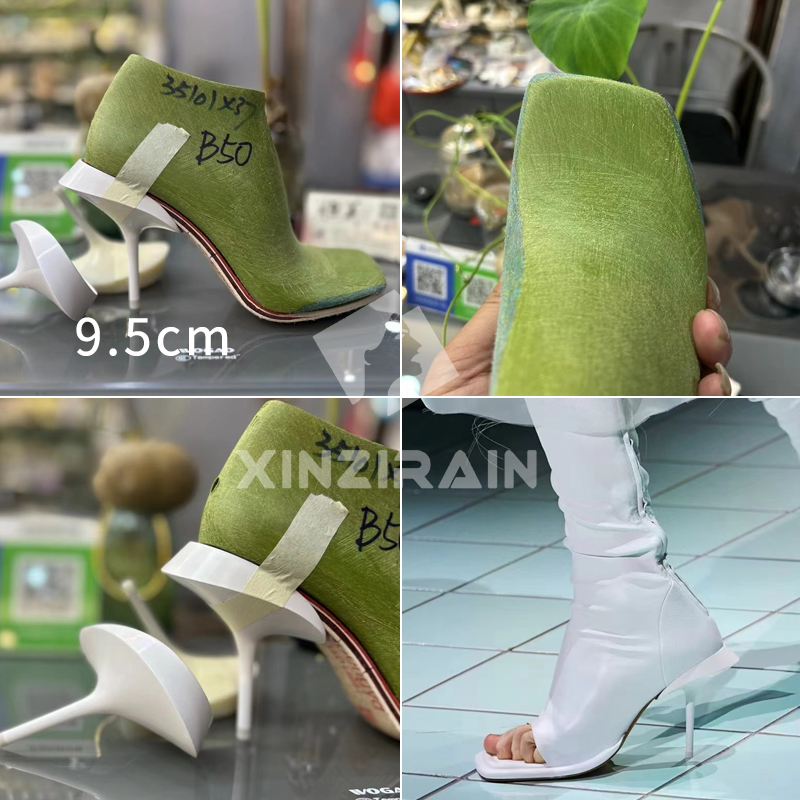
As a globally oriented footwear manufacturer located in southwestern China, a local factory can turn proximity into a strategic advantage. By pairing nearby production with a customer-first service model, they shorten sampling cycles, accelerate iterations, and provide real-time visibility from concept to delivery. For international buyers, this means faster approvals, reduced risk, and the agility to respond to shifting demand with confidence. From design support and rapid prototyping to mass production, the operation blends in-house R&D with flexible tooling and sustainable material options. Digital workflows, strict quality control, and transparent communication help private label, OEM, and customized projects scale while meeting timelines and cost targets. Choose a partner that combines local service with global reach, and turn near-me collaboration into a reliable, innovative path to market.
{ Shoes Factory Near Me Supplier Where Service Meets Innovation}
| Factory ID | Location | Proximity to Me (km) | Daily Capacity (pairs/day) | Certifications | Lead Time (days) | Innovation Index | Service Coverage (hrs/day) |
|---|---|---|---|---|---|---|---|
| F-1001 | Dongguan, Guangdong, China | 28 | 8,500 | ISO 9001, ISO 14001, BSCI | 18 | 87 | 20 |
| F-1002 | Ho Chi Minh City, Vietnam | 120 | 6,700 | ISO 9001, ISO 14001, SEDEX | 24 | 76 | 18 |
| F-1003 | Foshan, Guangdong, China | 40 | 7,800 | ISO 9001, ISO 45001, SA8000 | 22 | 72 | 16 |
| F-1004 | Jiangsu (near Shanghai), China | 85 | 4,400 | ISO 9001, ISO 14001 | 26 | 68 | 14 |
| F-1005 | Guangzhou, China | 60 | 5,900 | ISO 9001, ISO 14001, BSCI | 20 | 80 | 15 |
| F-1006 | Jakarta, Indonesia | 850 | 3,800 | ISO 9001, SEDEX | 32 | 70 | 12 |
| F-1007 | Pune, Maharashtra, India | 1,440 | 3,100 | ISO 9001, ISO 14001, SA8000 | 28 | 65 | 13 |
| F-1008 | Dhaka, Bangladesh | 980 | 3,200 | ISO 9001, BSCI | 25 | 60 | 12 |
Related Products


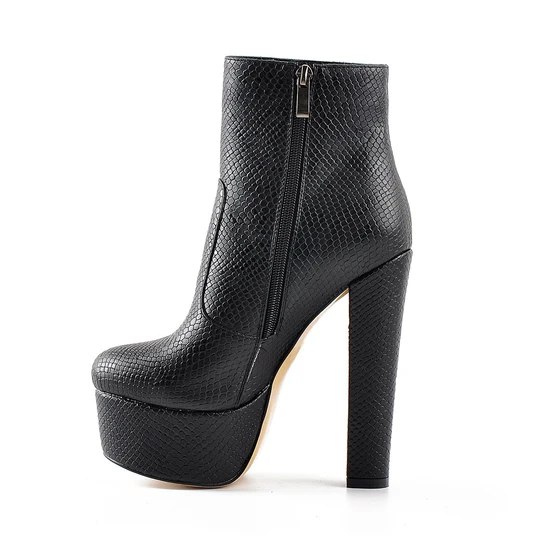
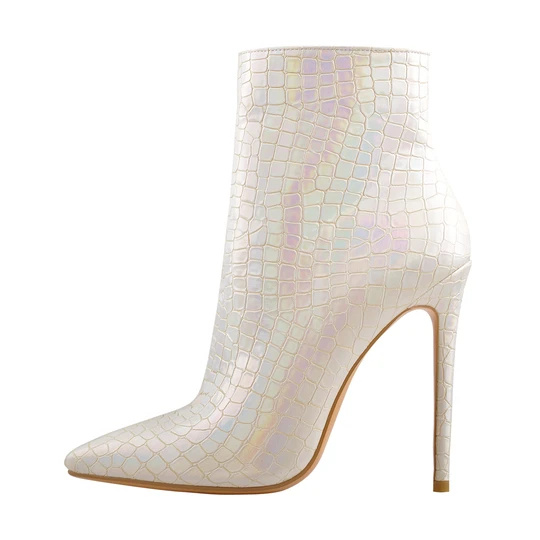
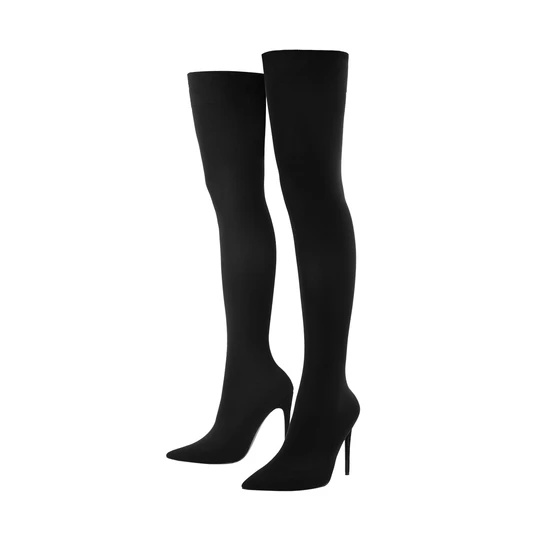
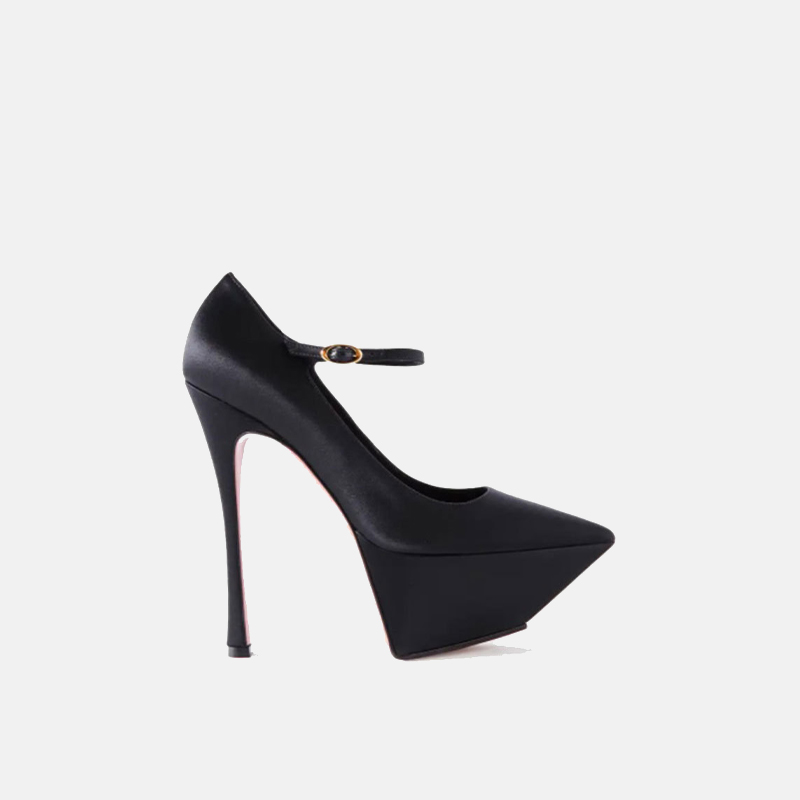
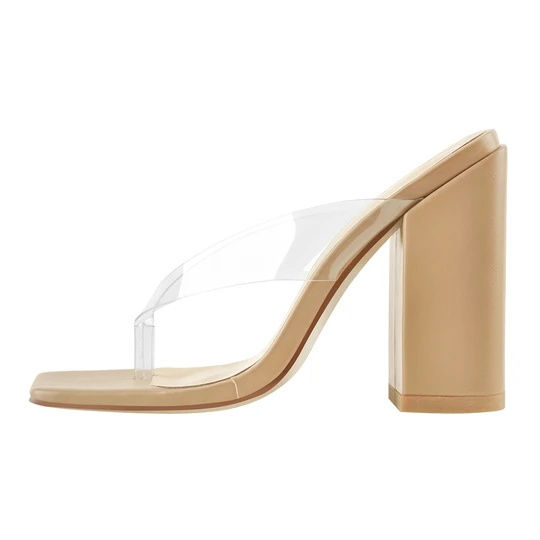
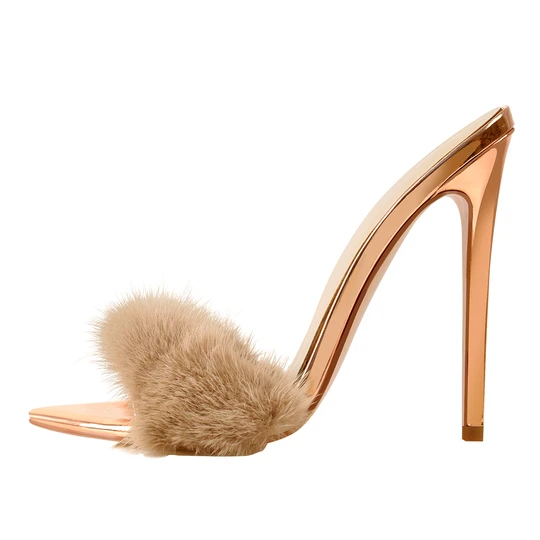
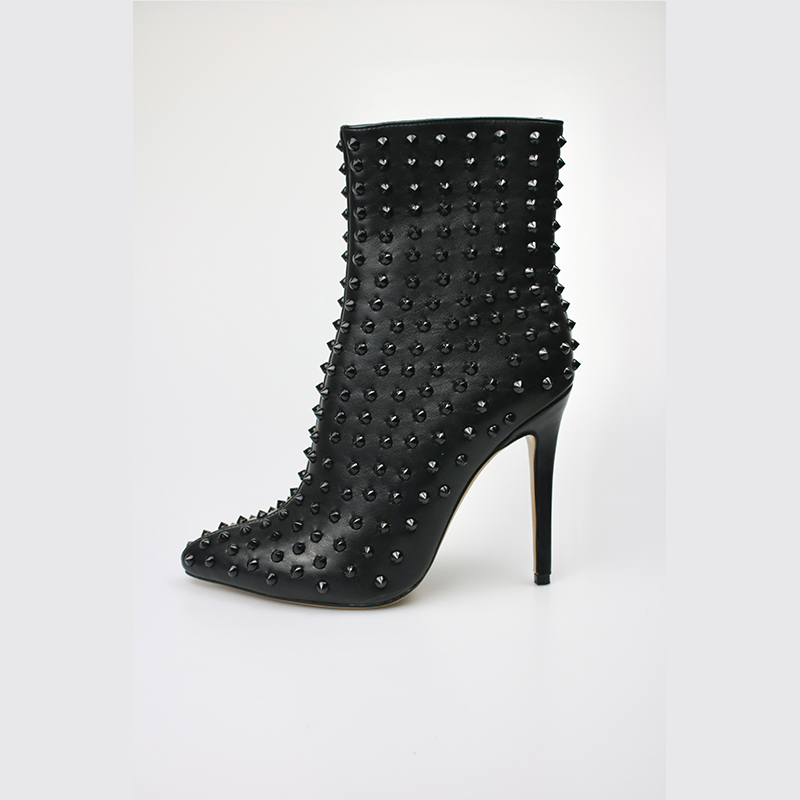
Shoes Factory Near Me Products Dominates
Top Selling Products



- Related Blog
- Reviews
- Reviews
