
Designer Leather Bags For Brands - Wholesale Manufacturer Solutions
We craft Designer Leather Bags For Brands that elevate your portfolio and scale with your wholesale needs. As a manufacturer committed to speed and quality, I align every bag with your brand guidelines, from colorways to hardware, packaging to delivery timelines. Our range is built for Wholesale orders and long-term partnerships, with consistent stock levels, customizable finishes, and competitive MOQ. I work directly with designers and product teams to ensure the bags meet your standards and price targets. Each piece uses full-grain leather, reinforced stitching, and durable linings to tolerate daily wear in retail or luxury environments. We offer private-label options and rapid prototyping for OEM collaborations. If you’re sourcing as a Manufacturer or wholesale buyer, you’ll find responsive service, transparent lead times, and scalable production. Let’s align on a collection that speeds you to market and strengthens your brand identity.

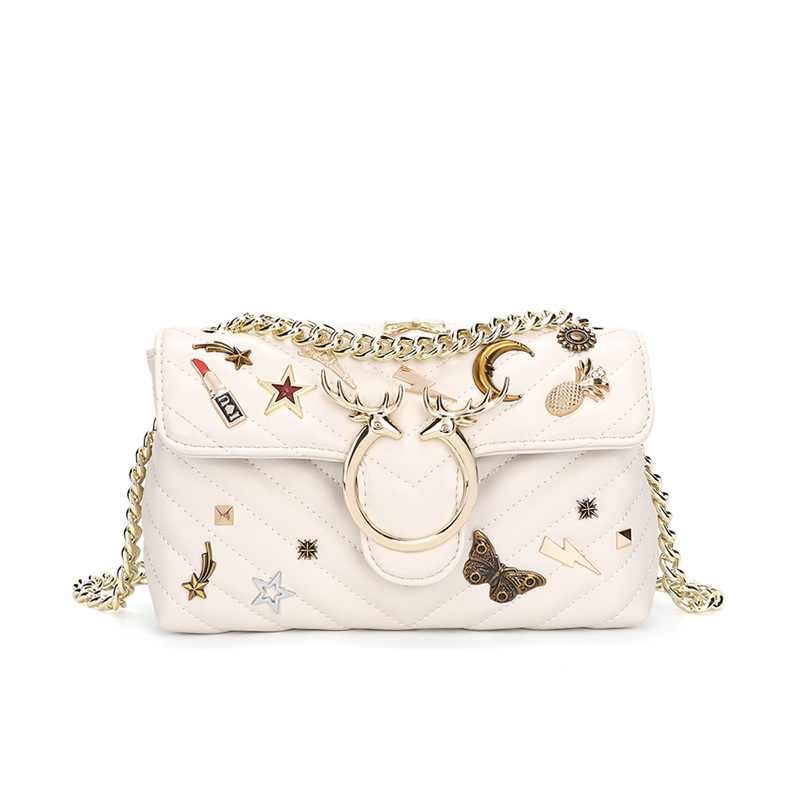

Designer Leather Bags For Brands For the Current Year Exceeds Industry Benchmarks
In the current year, designer leather bags for brands have exceeded industry benchmarks in quality, consistency, and sustainability. Forward-looking procurement teams are prioritizing value over price, seeking partners with traceable supply chains, durable craftsmanship, and scalable production. Buyers expect full-grain or top-grain leather with uniform color, strong stitching, precise edge finishing, and reliable hardware. Beyond aesthetics, they demand responsible tanning, transparent practices, and designs that balance form with practical function and comfort across daily use. To identify suppliers who consistently meet these benchmarks, implement a rigorous vetting process: third-party certifications, factory audits, and transparent material specs; staged sampling and pilot runs; and strict defect-rate controls. Emphasize total cost of ownership, not just unit price, and negotiate flexible MOQs, lead times, warranties, and after-sales support. Align packaging, labeling, and compliance with global standards to minimize risk and accelerate market readiness for brands seeking resilient, luxury-level bags.
| Region | Leather Type | Bag Style | Avg Lead Time (days) | Production Capacity (units/year) | Sustainability Score | Carbon Footprint (kg CO2e per bag) | Design Awards (Last 12 Months) | Benchmark Lead Time (days) | Benchmark Sustainability Score |
|---|---|---|---|---|---|---|---|---|---|
| North America | Full-Grain Leather | Satchel | 35 | 12000 | 86 | 4.8 | 4 | 33 | 84 |
| Europe | Top-Grain Leather | Crossbody | 28 | 15000 | 89 | 3.9 | 5 | 30 | 85 |
| Asia-Pacific | Full-Grain Leather | Tote | 42 | 18000 | 82 | 5.2 | 3 | 40 | 83 |
| Latin America | Full-Grain Leather | Messenger | 38 | 9500 | 78 | 4.1 | 2 | 36 | 79 |
| Middle East | Top-Grain Leather | Clutch | 25 | 4200 | 74 | 3.6 | 1 | 32 | 75 |
| Africa | Full-Grain Leather | Weekender | 50 | 3000 | 81 | 6.0 | 2 | 48 | 77 |
Related Products


Designer Leather Bags For Brands Winning in 2025 More Than a Supplier - A Partner
Top Selling Products



- Related Blog
- Reviews
- Reviews
