
Eco-Conscious Shoe Sourcing for Wholesale Manufacturer
I champion Eco-Conscious Shoe Sourcing by integrating recycled and renewable materials with low-impact processes across every model. As a Manufacturer committed to accountability, I offer Wholesale partnerships with clear MOQs, competitive lead times, and full bill-of-materials transparency. When you partner with us, you’re not just buying shoes; you’re aligning with a responsible supply chain that sources from audited suppliers, reduces water use, and minimizes carbon footprint. I provide design-to-delivery support, from material selection to packaging, with adaptable catalogs and private-label options. My team tracks every step, from factory audits to compliance certificates, so you can present eco-credentials to your customers. Let's tailor a program that fits your market, from small boutiques to large wholesalers. I’ve seen retailers boost margins by marketing sustainability narratives alongside durable, comfortable footwear.






Eco-Conscious Shoe Sourcing Factory-Direct Excellence Service Backed by Expertise
Global buyers are increasingly prioritizing sustainability without compromising performance. Factory-direct sourcing enables direct oversight over materials, processes, and waste, delivering transparent cradle-to-gate data. From plant-based leathers and recycled midsoles to water-saving dyeing and low-emission finishes, every decision is aligned with a cleaner footprint and responsible stewardship. Backed by deep manufacturing know-how, we offer end-to-end support—from design and sampling to mass production and provenance documentation. Rigorous QA, third-party audits, and traceable bill of materials ensure compliance, while scalable tooling and flexible MOQs unlock efficient launches in multiple markets. With factory-direct access, buyers gain faster lead times, clearer pricing, and direct lines to engineers and quality teams. Transparent communication, data-driven improvements, and sustainable innovations help brands meet evolving consumer expectations while reducing risk across global supply chains.
| Factory ID | Location | Established | Annual Capacity (pairs/year) | Material Type | Certifications | Audit Score (0-100) | CO2e per pair (kg) | Water Use per pair (liters) | Recycled Material % | Renewable Energy % | Lead Time (days) | Waste Recycled % |
|---|---|---|---|---|---|---|---|---|---|---|---|---|
| F-001 | Vietnam (South) | 1995 | 260,000 | Leather (LWG Gold) + recycled lining | ISO 14001, SA8000, Leather Working Group Gold | 92 | 1.75 | 2.40 | 25% | 40% | 42 | 86% |
| F-002 | Portugal (North) | 2007 | 180,000 | Synthetic & PU | ISO 9001, ISO 14001 | 88 | 1.20 | 1.60 | 60% | 70% | 34 | 92% |
| F-003 | Indonesia (Java) | 2010 | 320,000 | Hybrid (Leather + Synthetic) | ISO 14001, BSCI | 89 | 1.95 | 3.10 | 40% | 25% | 50 | 88% |
Related Products


Eco-Conscious Shoe Sourcing Now Trending From Concept to Delivery
Top Selling Products

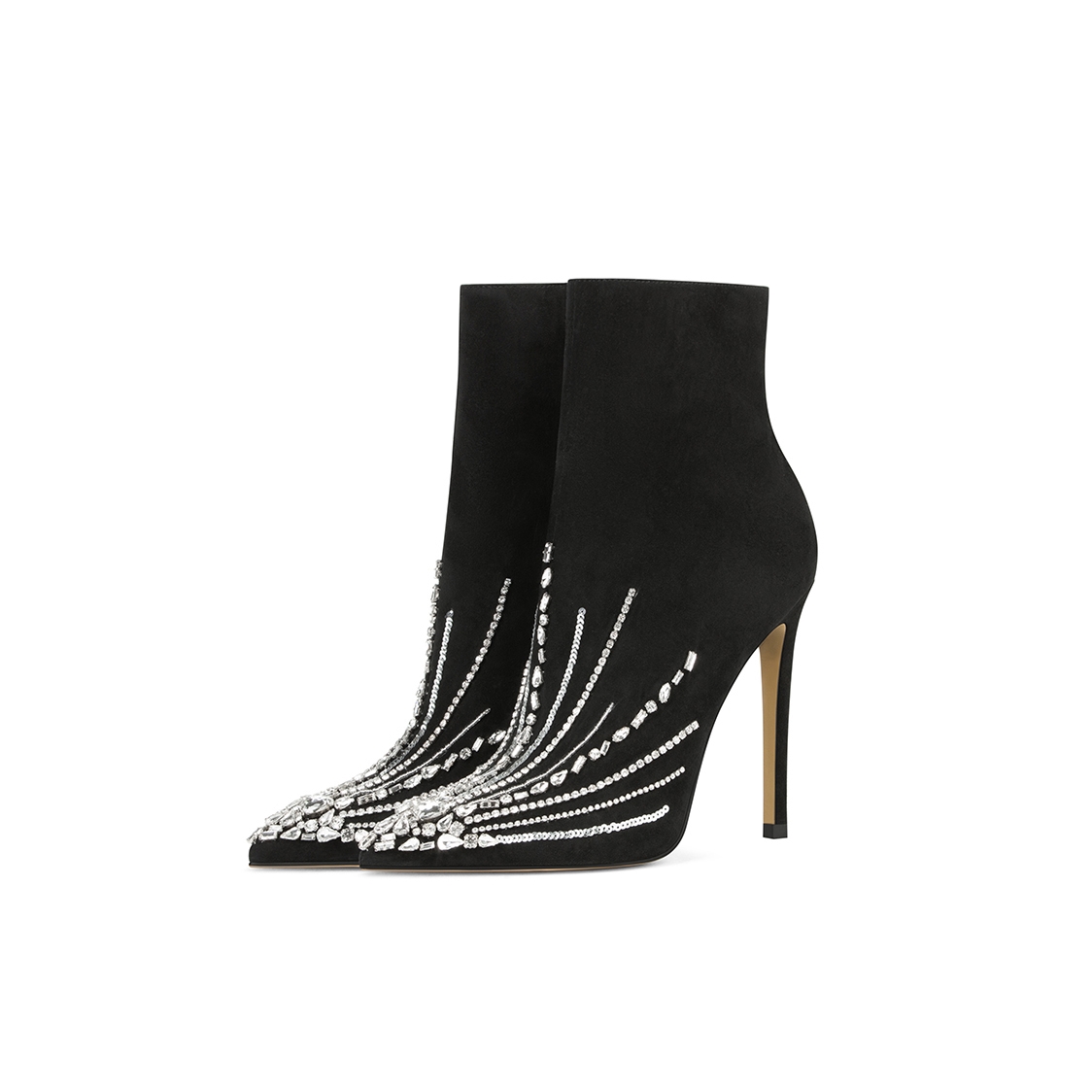
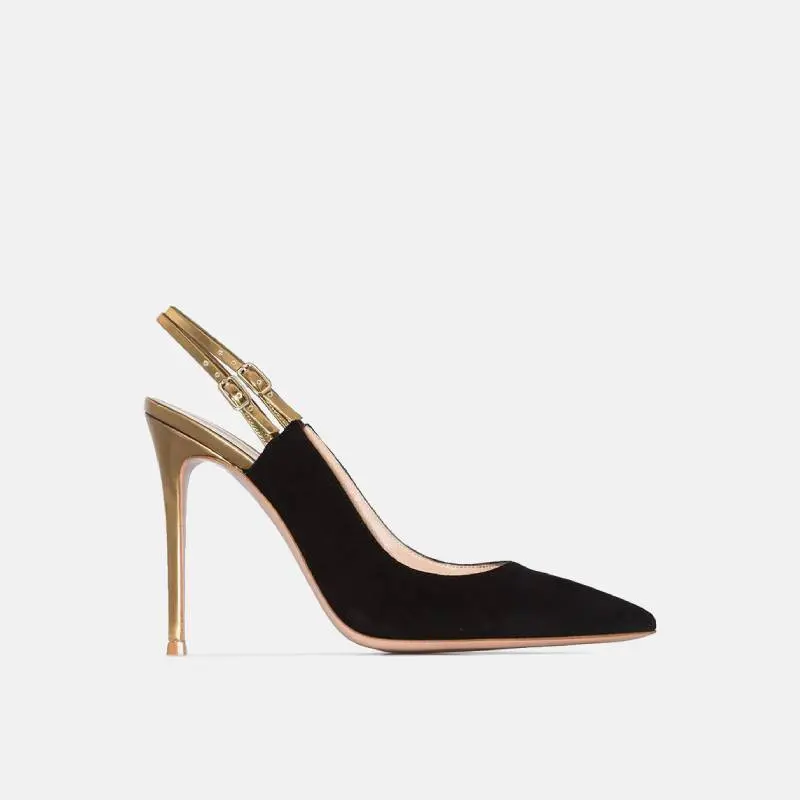

- Related Blog
- Reviews
- Reviews
