
Custom Men’S Loafers Supplier - Wholesale Manufacturer
As your {Custom Men’S Loafers Supplier}, I bring tailor-made comfort and line-ready style to retailers and brands. We operate as a trusted {Wholesale} partner and an experienced {Manufacturer}, delivering private label and bespoke runs from design to delivery. Our Custom Men’S Loafers feature premium full-grain leather, durable outsole, and cushioned footbed for all-day wear, with stitching, color, and branding options to match your market. I can help you with MOQ-friendly quantities, scalable production, and fast lead times. Samples are available for approval, and QA checks ensure consistent sizing and finish. We offer competitive pricing, tiered discounts for larger orders, and reliable logistics with tracking and packaging customization. This is a turnkey solution for catalog builds, store-in-store projects, and online retailers looking to differentiate with authentic craftsmanship. Partner with me for a dependable supply chain, steady turnover, and your private-label success.


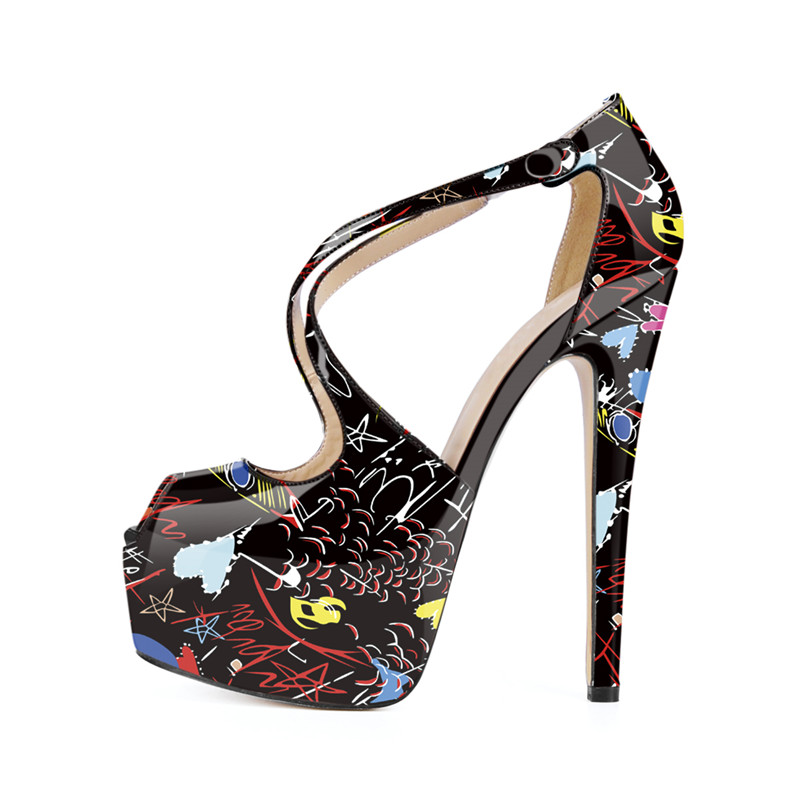
Custom Men’S Loafers Supplier Application Stands Out
Global buyers seeking a custom men’s loafer supplier expect a partner who blends craftsmanship with efficiency. A standout provider offers end-to-end customization—from upper materials (full-grain leather, nubuck, suede) and colorways to sole construction and hardware—plus sizing and packaging options. They support fast prototyping and structured sampling cycles so concepts become tangible quickly, while keeping costs predictable through transparent MOQs and pricing. A rigorous quality system runs at every step: inline inspections, pre-shipment checks, traceability, and standard-compliant manufacturing practices, ensuring consistency across batch after batch. Beyond capabilities, reliability and service define leadership. The best suppliers scale to meet campaigns of any size, deliver on schedule, and maintain consistent fit and finish despite supply-chain volatility. They provide design support, sustainable material options, ethical sourcing, and eco-friendly packaging. Clear communication, proactive QA, and responsive after-sales service reduce risk and hasten time-to-market. For buyers aiming to stand out with a market-ready loafer program, the right supplier offers end-to-end collaboration, transparent timelines, and dependable delivery.
Custom Men’S Loafers Supplier Application Stands Out
| Dimension | Description | Value | Notes |
|---|---|---|---|
| Manufacturing Region | Geographic focus of primary production | Asia-Pacific (Mainly Guangdong and Zhejiang) | Concentration supports efficient logistics and skilled labor pool |
| Primary Material | Upper and lining materials | Full-grain calf leather; lining: leather; outsole: EVA with rubber insert | Premium materials for durability and comfort |
| Construction Technique | Stitching method used | Goodyear welt | Durability and resoling capability |
| Lead Time | Typical order-to-shipment cycle | 20–40 days | Varies with order size and customization |
| Monthly Capacity | Approximate production capacity | About 28,000 pairs | Seasonal adjustments may apply |
| Quality Performance | First-pass yield / defect rate | 99.2% first-pass yield | QC at multiple stages throughout production |
| Certifications | Compliance and standards | ISO 9001; REACH; BSCI | Third-party audits conducted regularly |
| Sustainability & Sourcing | Material sourcing & environmental practices | Leather from audited tanneries with chain-of-custody | Sustainability program updated annually |
| After-sales Support | Warranty & service policy | 12 months limited warranty | Excludes wear and tear; proof of purchase required |
Related Products


Custom Men’S Loafers Supplier Supplier in 2025
Top Selling Products



- Related Blog
- Reviews
- Reviews
