
Low Heel Boots Wholesale Manufacturer - Durable Styles for Retailers
From the first stitch to the final box, I craft low heel boots designed for retailers who demand both style and durability. As a Manufacturer, I offer dependable quality, consistent sizing, and scalable production for Wholesale orders. Our low heel boots pair timeless silhouettes with comfortable insoles, making them a favorite across season after season. I source premium leathers and suede, and use sturdy outsoles with anti-slip traction. Customization is available: different heights, colors, and branding options to fit your catalog. Minimum order quantities meet wholesale needs while keeping costs competitive. I provide short lead times, flexible shipping, and after-sales support to keep your shelf stock moving. If you’re seeking reliable supply, competitive pricing, and a partner who understands retail dynamics, we’re ready to collaborate. Let me help you grow your assortment with durable, fashion-forward low heel boots that shoppers love to buy in bulk.

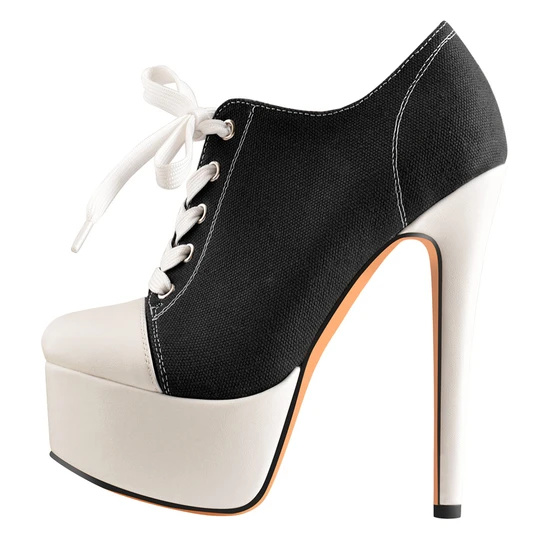
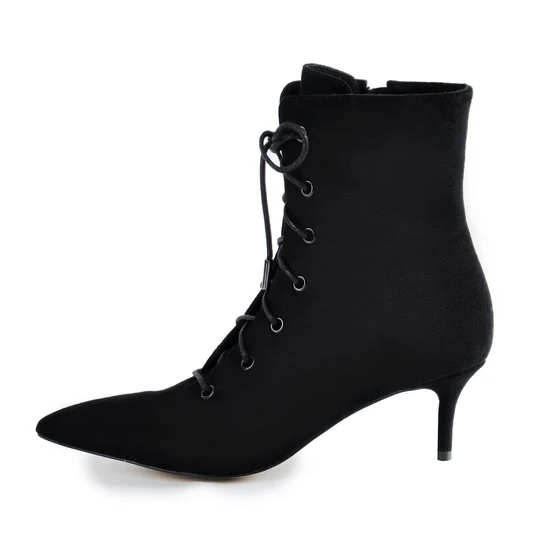
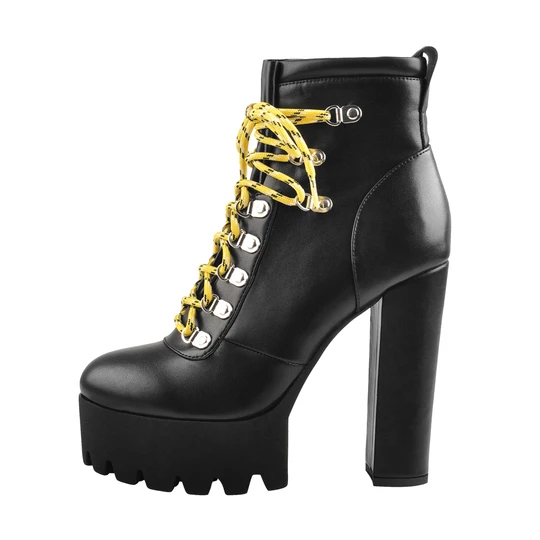
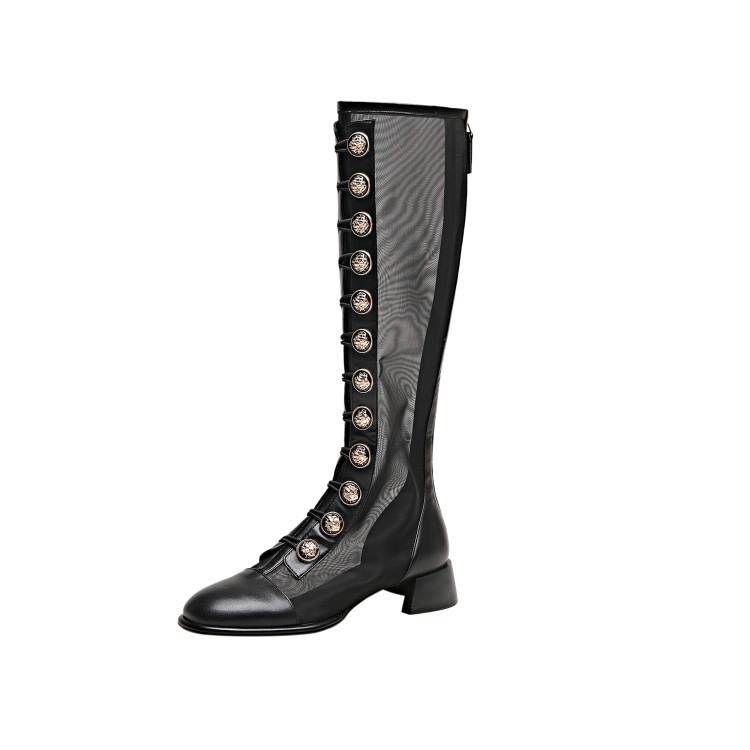
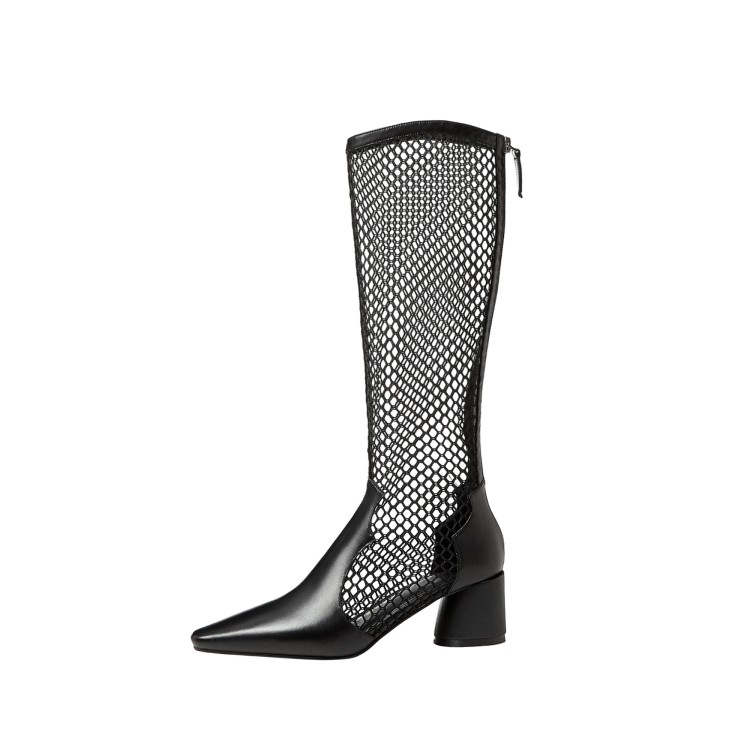
low heel boots Ahead of the Curve Leads the Global Market
Low-heel boots are redefining global footwear demand: combining timeless style with everyday comfort, they fit urban commuters, retail fashion lines and season-spanning catalogs. New collections prioritize ergonomic insoles, durable outsoles, water-resistant uppers and sustainable materials—delivering products that meet consumer expectations for fit, function and responsible sourcing. As a manufacturing partner for international buyers, we offer flexible production runs, OEM/ODM services, strict multi-stage quality control and compliance with major international standards. Competitive pricing, efficient lead times, adaptable minimums and coordinated logistics ensure reliable deliveries to global markets, turning low-heel boot trends into profitable product lines tailored for your distribution channels.
| Region | Market Size 2024 (USD bn) | CAGR 2024-2029 (%) | Share of Global Market (%) | Main Materials | Growth Driver |
|---|---|---|---|---|---|
| North America | 3.4 | 4.0 | 18 | Leather 40%, Synthetic 33%, Fabric 20%, Suede 7% | Strong demand for comfort-oriented boots and athleisure styling |
| Europe | 4.8 | 3.5 | 26 | Leather 42%, Synthetic 30%, Fabric 18%, Suede 10% | Premium fashion-focused segment; eco-friendly materials rising |
| Asia-Pacific | 7.8 | 6.0 | 42 | Leather 36%, Synthetic 40%, Fabric 16%, Suede 8% | Rising urbanization and mass-market production; demand in China, India |
| Latin America | 1.0 | 4.5 | 6 | Leather 35%, Synthetic 36%, Fabric 20%, Suede 9% | Emerging middle-class demand; seasonal fashion spikes |
| Middle East & Africa | 0.9 | 3.2 | 8 | Leather 30%, Synthetic 40%, Fabric 20%, Suede 10% | Growing retail networks in GCC and North Africa |
Related Products


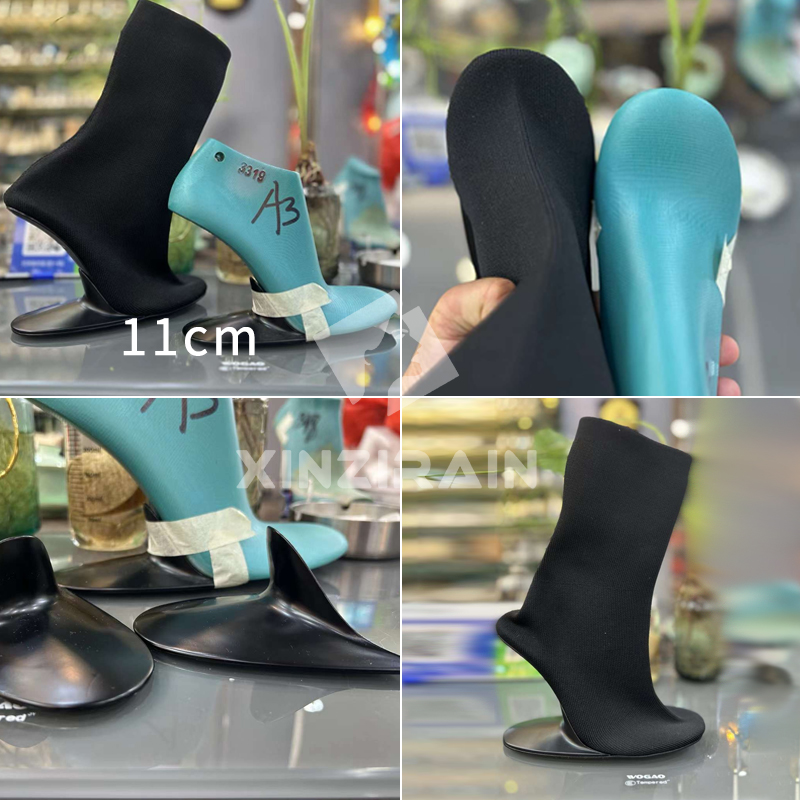
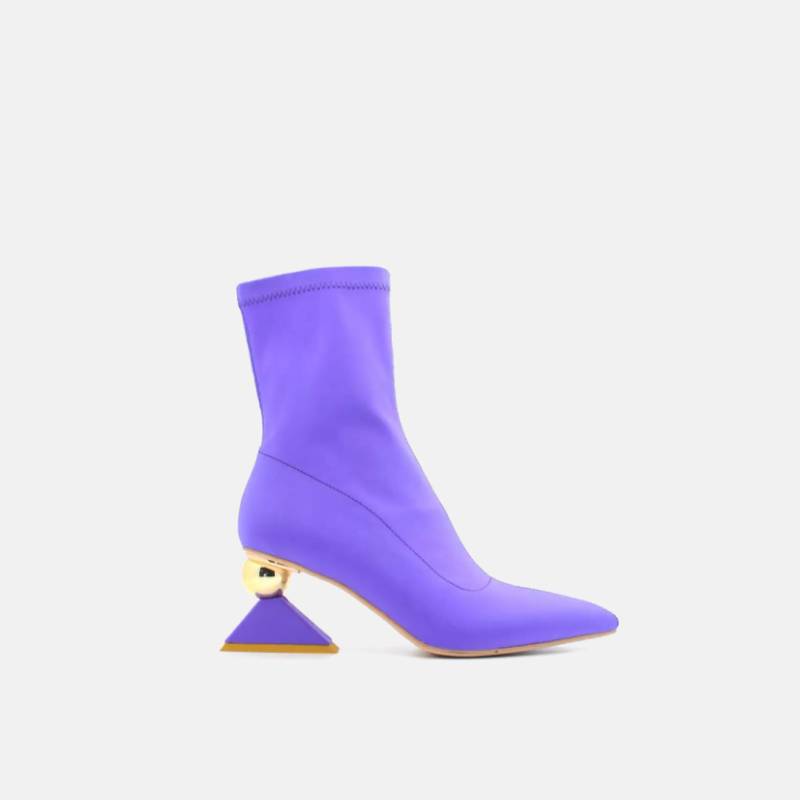
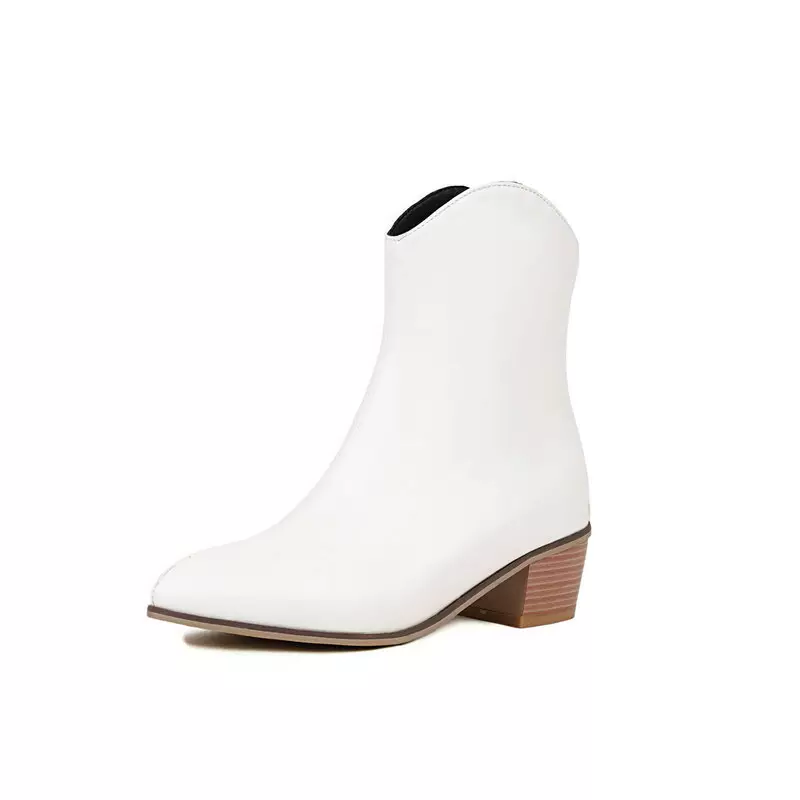
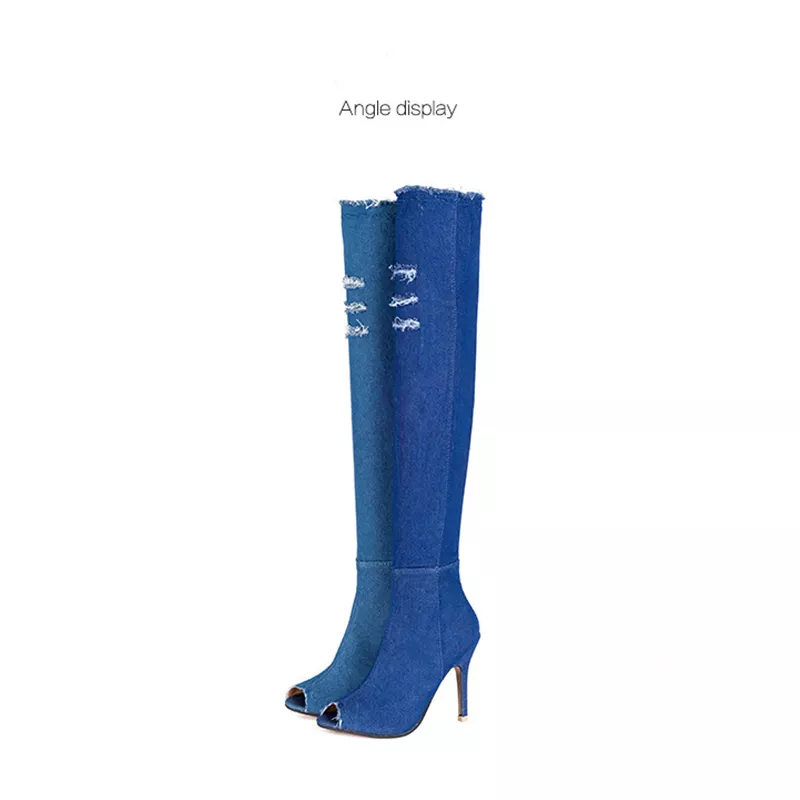
low heel boots Trusted by Pros Your End-to-End Solution
Top Selling Products
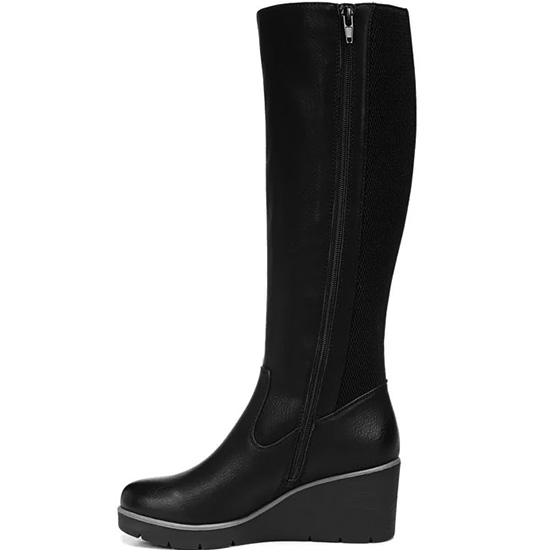


- Related Blog
- Reviews
- Reviews
