
ODM customization for Wholesale and Manufacturer buyers
As a dedicated partner to Wholesale buyers and Manufacturers, I turn your concepts into production-ready items through ODM customization. With a focus on speed, quality, and cost, I guide you from idea to delivery, coordinating design, engineering, and tooling under one roof. I offer flexible volumes for Wholesale orders and scalable solutions for Manufacturer needs, keeping lead times short and margins healthy. You'll get a tailored design package, rapid prototyping, IP-safe confidential handling, and a transparent BOM that meets your target price. My team manages supplier audits, material compliance, and QA testing, so your ODM customization project ships with consistent performance. Whether you're refreshing an existing line or launching a new product, I align with your branding, packaging, and regulatory requirements. You’ll appreciate clear communication, fixed milestones, and a dedicated project manager who speaks your language. Let me turn your specs into a finished product you’re proud to sell.


ODM customization Sets the Industry Standard Service Backed by Expertise
In the competitive landscape of global sourcing, ODM customization has become the standard for service excellence backed by engineering expertise. A true ODM partner offers more than a product; we provide a complete development pipeline—from concept refinement, CAD and prototyping to tooling, pilot runs, and scalable production. Rigorous supplier audits, material traceability, and built-in quality control ensure consistency across batches, shorten time to market, and protect your IP and brand. By taking a collaborative, data-driven approach, we translate your ideas into manufacturable realities and validate performance through testing and certification. Flexible MOQs, parallel sourcing, and optimized logistics help reduce total cost of ownership while meeting regulatory and sustainability requirements. Global buyers gain reliability, faster onboarding, and a continuous improvement framework backed by deep footwear engineering and manufacturing know-how.
| KPI | Description | Current Quarter | Benchmark Range | Trend | Notes |
|---|---|---|---|---|---|
| Lead Time to Prototype | Time from project kickoff to functional prototype | 18 | 12 - 22 | Improving | QoQ reduction of approx 4 days |
| On-time Delivery Rate | Percentage of deliveries made on or before due date | 97.5% | 95% - 99% | Stable | Consistent performance across programs |
| First Pass Yield | Proportion of products passing QA without rework | 92.3% | 90% - 95% | Improving | Quality initiatives reducing downstream rework |
| Engineering Resource Utilization | Share of engineering capacity committed to ODM projects | 68.5% | 60% - 80% | Stable | Resource alignment with project load |
| Change Request Handling Time | Average time from change Request receipt to implementation | 6.2 days | 3 - 7 days | Improving | Process standardization underway |
| Documentation Completeness | Technical docs, BOMs, test plans completeness | 88.5% | 85% - 95% | Improving | Gap to 95% closing |
| Support Response Time | Average time to initial response after ticket | 6.5 hours | 4 - 8 hours | Improving | Faster triage and staffing shifts |
| Compliance Certifications | Number of recognized certifications achieved | 5 | 3 - 6 | Stable | Portfolio of standards compliance expanding |
Related Products


ODM customization Stands Out Custom Solutions,
Top Selling Products

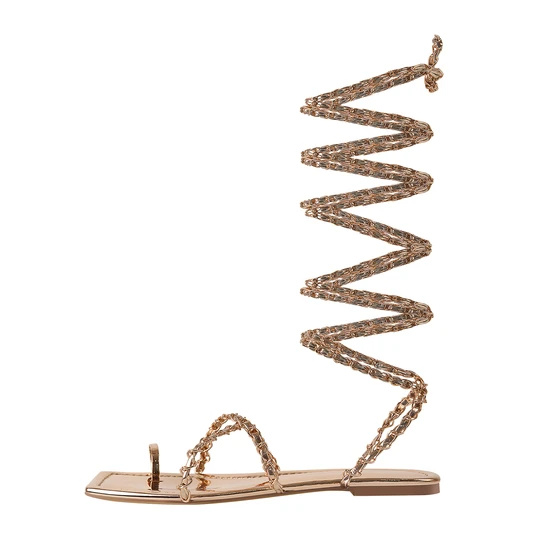
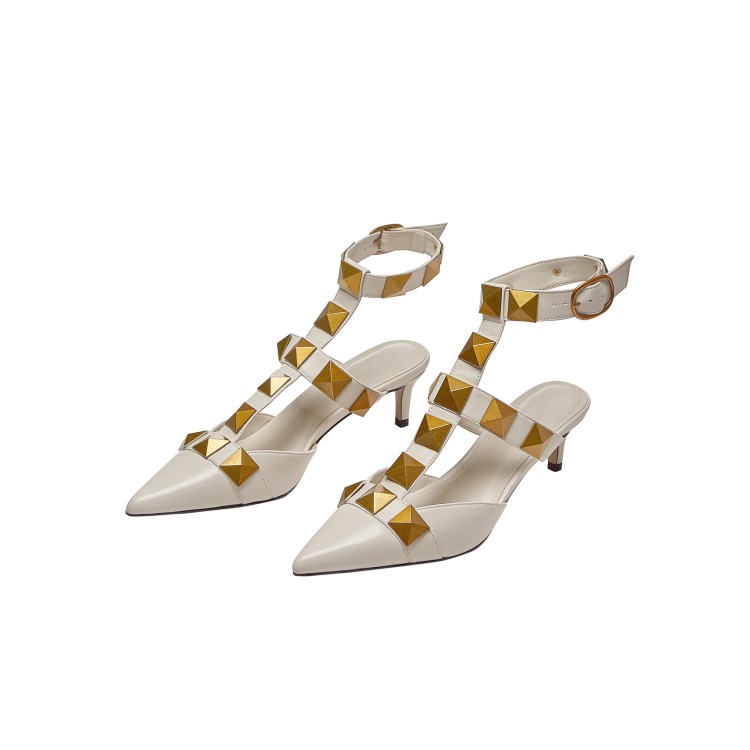
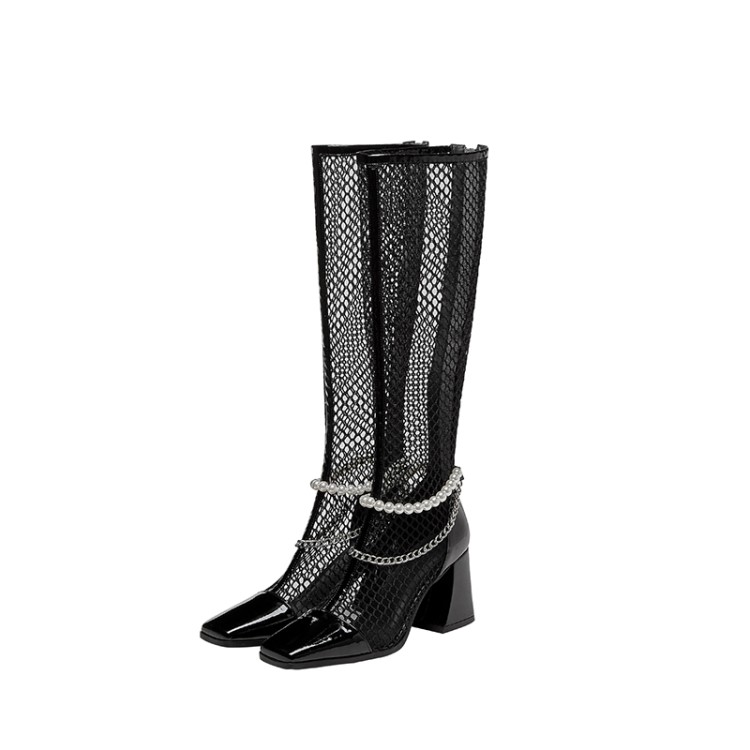

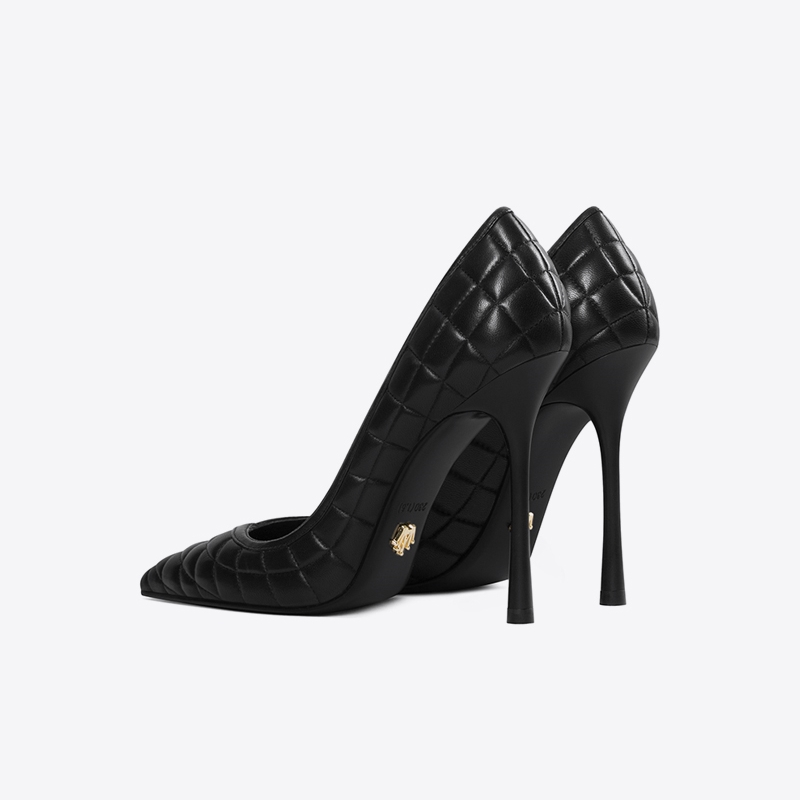
- Related Blog
- Reviews
- Reviews
