
Oem Women's Bag Manufacturers - Wholesale & Manufacturer Directory
We are OEM Women's Bag Manufacturers, and we know what B2B buyers expect in Wholesale partnerships. We're here to offer you a smooth path from idea to bulk shipment: custom designs, materials, and finishes that fit your brand, at scale. In our factory, you'll find a flexible process from sample to production, strict QC, and on-time delivery. We can customize size, strap type, hardware, colorways, and logos to meet your market needs. We work with PU, genuine leather, canvas, and recycled fabrics to hit your price points without sacrificing quality. Our minimums are practical for growing brands, and our lead times are competitive for large orders. If you're looking for a reliable Manufacturer that can support Wholesale orders, we'll align with your calendar, provide clear quotes, and keep you updated every step. Partner with us for durable, stylish bags that boost your catalog and margins.


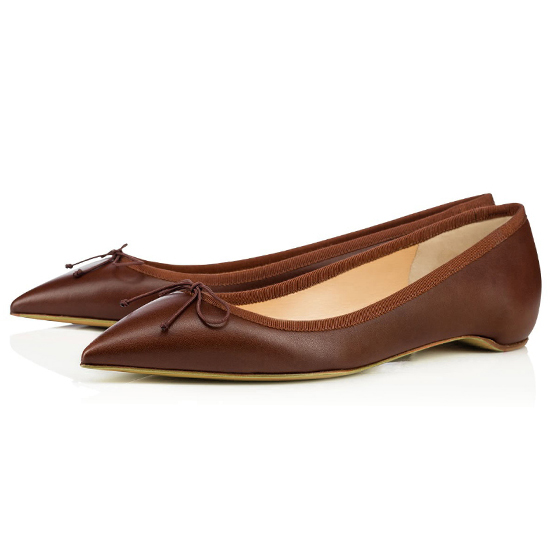
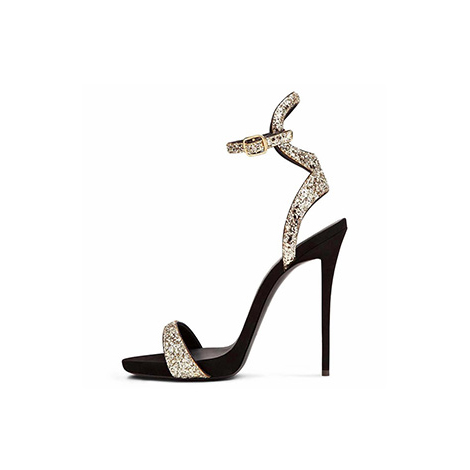


Oem Women's Bag Manufacturers Manufacturer From Concept to Delivery
For global buyers, an OEM women’s bag partner can turn concept into a market-ready line. End-to-end services cover trend research, material selection, and ergonomic design to balance style with durability. We emphasize responsible sourcing, certifications, and branding compatibility. The journey starts with concept and CAD, then rapid prototyping and tooling for fast feedback. After sample approval, production scales with strict controls, capacity planning, and real-time updates. Quality checks on materials, seams, zippers, and hardware ensure consistency, while eco-friendly packaging and efficient logistics support timely delivery. Choosing an OEM partner means clear timelines, transparent communication, and IP protection. Flexible MOQs, collaborative development, and dependable after-sales service help you reach new markets with confidence.
{ Oem Women's Bag Manufacturers Manufacturer From Concept to Delivery }
| Site/Location | Region/Country | Certifications | Monthly Capacity (units) | Sample Lead Time (days) | Production Lead Time (weeks) | Primary Materials | Typical MOQ (units) | Quality Metrics | Delivery Method | Remarks |
|---|---|---|---|---|---|---|---|---|---|---|
| Site 1 | Guangdong, China | ISO 9001; BSCI | 12,000 | 10 | 4-6 | PU leather, canvas, microfiber | 150 | Defect 0.6% | Sea, Air | Mid-scale facility with tooling |
| Site 2 | Zhejiang, China | ISO 9001; SEDEX | 8,000 | 14 | 3-5 | Genuine leather (PU), fabric | 100 | Defect 0.8% | Sea | Customization through modular production lines |
| Site 3 | Ho Chi Minh City, Vietnam | ISO 14001; BSCI | 6,500 | 12 | 4 | PU leather, fabric | 120 | Defect 0.9% | Sea | Competitive costs; quick sample turnaround |
| Site 4 | Mumbai, Maharashtra, India | ISO 9001 | 5,000 | 8 | 3-4 | Canvas, faux leather | 80 | Defect 1.1% | Sea | Strong backpack/travel bag focus |
| Site 5 | Jakarta, Indonesia | ISO 9001; BSCI | 4,800 | 9 | 4 | Fabric, faux leather | 100 | Defect 0.7% | Sea | Flexible batch production |
| Site 6 | Cairo, Egypt | ISO 9001 | 3,000 | 15 | 5 | PU leather, fabric | 60 | Defect 1.2% | Sea | Strategic for Europe shipments |
Related Products


Oem Women's Bag Manufacturers Ahead of the Curve Outperforms the Competition
Top Selling Products



- Related Blog
- Reviews
- Reviews
