
Recycled Shoe Leather Wholesale Manufacturer | Sustainable Materials
From our workshop, I offer Recycled Shoe Leather that combines sustainability with reliable performance. I’m a wholesale supplier and Manufacturer, working directly with brands and OEMs to simplify sourcing and reduce lead times. Our process starts with post-consumer scraps, which we clean, tan, and finish into uniform leathers you can trust for footwear, bags, or accessories. You’ll appreciate the consistent grain, durable strength, and color stability, all while cutting environmental impact. I can provide ready-to-cut sheets or rolls, with customizable thickness, grain pattern, and finish to meet your design needs. Minimums are flexible for trials, then scalable as you grow—perfect for Wholesale orders and ongoing supply. Every batch is tested for bond, abrasion, and wash-fastness, and I coordinate fast delivery to your facility. If you’re seeking a responsible, cost-effective material from a reliable Manufacturer, I’d be glad to discuss your project and samples.


Recycled Shoe Leather Factory-Direct Excellence More Than a Supplier - A Partner
Amid growing demand for responsible materials, our recycled shoe leather line delivers factory-direct excellence that goes beyond traditional sourcing. From reclaimed hides to refined textures, we maintain tight control over the entire process—collection, cleaning, tanning, and finishing—ensuring consistent quality, color stability, and long-term durability. By eliminating middlemen, we offer transparent pricing, shorter lead times, and predictable supply, so global brands can plan with confidence while shrinking their environmental footprint. As a partner, we collaborate on design, testing, and certification to meet diverse markets. Flexible minimums, scalable production, and rigorous QA mean you can launch innovative styles with confidence. We invest in traceable supply chains, responsible sourcing, and compliance with international standards, backed by proactive communication and on-time logistics. Together, we turn sustainable materials into competitive advantages—delivering not just a supplier, but a dependable, innovation-driven partner for lasting impact.
{ Recycled Shoe Leather Factory-Direct Excellence More Than a Supplier - A Partner}
| Metric | Description | Unit | 2023 | 2024 | 2025 Target | Notes |
|---|---|---|---|---|---|---|
| Recycled content in finished leather | Proportion of recovered leather scrap used in new sheets | % | 60 | 65 | 75 | Incremental improvements through closed-loop reclaim |
| Scrap utilization rate | Percentage of scrap leather captured for reuse in production | % | 85 | 88 | 92 | Expanded scrap intake from suppliers |
| Tanning process water usage | Water consumption per square meter processed | L/m2 | 9.2 | 8.0 | 6.8 | Water recycling optimization |
| Energy consumption | Energy used per square meter of finished leather | kWh/m2 | 0.95 | 0.78 | 0.60 | Shift to renewable energy and efficient dryers |
| CO2 emissions | Greenhouse gas emissions per square meter | kg CO2-e/m2 | 2.1 | 1.8 | 1.3 | Process optimization |
| Waste to landfill | Waste sent to landfill per square meter | kg/m2 | 0.6 | 0.4 | 0.2 | Zero-waste initiatives |
| Color diversity | Number of standard color options offered | count | 12 | 14 | 16 | Expanded palette for brand partners |
| Durability rating | Average durability rating (ISO/ASTM scale) | score (1-5) | 4.0 | 4.2 | 4.5 | Enhanced cross-linking technologies |
| End-of-life recyclability | Share of finished product designed for recycling at end of life | % | 90 | 92 | 95 | Design for disassembly improvements |
| Annual production volume | Area of finished leather produced per year | m2 | 120000 | 135000 | 150000 | Capacity expansion |
| Process yield | Ratio of usable leather after tanning vs input scrap | % | 72 | 76 | 80 | Improved reclaim process |
Related Products


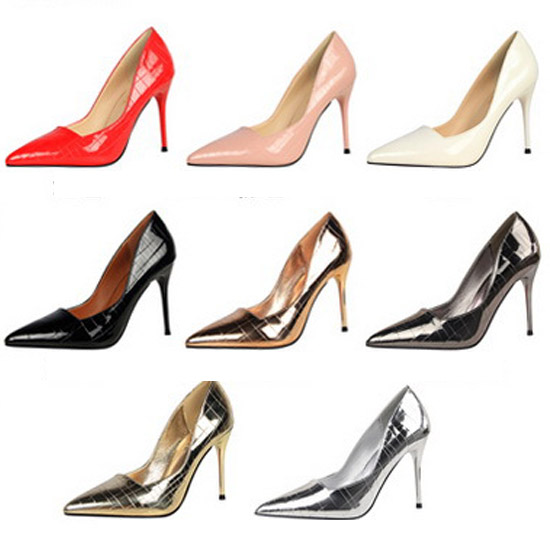
Recycled Shoe Leather Delivers Unmatched Quality Your Trusted OEM Partner
Top Selling Products




- Related Blog
- Reviews
- Reviews
