
Sustainable Shoe Industry Practices: Wholesale & Manufacturer Insights
I align every batch with Sustainable Shoe Industry Practices, tracing materials from certified suppliers to one clear end: better products and cleaner footprints. If you’re a Wholesale buyer or a Manufacturer seeking dependable partners, I can tailor solutions that suit your cadence, volumes, and branding. Our process emphasizes ethical production, reclaimed or recycled materials where possible, and energy-efficient manufacturing. You’ll get transparent audits, real-time status, and short, predictable lead times so you can plan campaigns with confidence. I offer flexible MOQs, co-branding options, and scalable design kits that keep your lines fresh without sacrificing sustainability. By collaborating closely, we reduce waste, cut logistics emissions, and prove that responsible sourcing can drive quality and margin. Let’s transform your supply chain with accountable suppliers, rigorous standards, and a practical roadmap to Sustainable Shoe Industry Practices that your customers will trust.



Sustainable Shoe Industry Practices Application Factory-Direct Excellence
Global buyers are pursuing responsible sourcing, and the factory floor is where sustainable footwear begins. A factory-direct model delivers end-to-end control over materials, production, and documentation, ensuring traceability, consistency, and cost efficiency. Core practices include low-impact materials (recycled fibers, bio-based adhesives), reduced solvents, and modular design to extend life. Transparent sourcing and real-time production data align design, procurement, and manufacturing with demand while honoring ESG commitments. Excellence comes from energy efficiency, water stewardship, and closed-loop workflows. On-site solar, heat recovery, and efficient lighting cut carbon; water is treated and recycled; scraps are reclaimed. Lean manufacturing minimizes waste, and regular audits ensure ethical labor and product safety. This integrated approach delivers reliable lead times, scalable capacity, and a low-risk path to sustainable footwear that meets global compliance and buyer expectations.
Sustainable Shoe Industry Practices Application Factory-Direct Excellence
| Factory_ID | Location | Certifications | Annual_Energy_Consumption_MWh | Renewable_Energy_Percent | Water_Usage_m3_per_year | Water_Reuse_Percent | Waste_Generated_kg_per_year | Waste_Recycled_Percent | CO2e_tonnes_per_year | Carbon_Intensity_kg_per_pair | Sustainable_Materials_Percent | Labor_Practices_Score | Training_Hours_per_Employee_per_Year | On_Time_Delivery_Rate_Percent | Defect_Rate_Percent | Production_Capacity_Pairs_per_year |
|---|---|---|---|---|---|---|---|---|---|---|---|---|---|---|---|---|
| F-101 | Guangdong, China | ISO 14001; ISO 9001; SA8000 | 1,800 | 60% | 120,000 | 40% | 30,000 | 65% | 520 | 0.80 | 65% | 88 | 36 | 96% | 0.9% | 420,000 |
| F-102 | Ho Chi Minh City, Vietnam | ISO 14001; ISO 45001; SA8000 | 950 | 40% | 86,000 | 25% | 14,000 | 50% | 430 | 0.75 | 50% | 82 | 28 | 93% | 1.2% | 320,000 |
| F-103 | Porto, Portugal | ISO 50001; BSCI; ISO 14001 | 1,200 | 75% | 60,000 | 60% | 9,000 | 75% | 280 | 0.45 | 70% | 92 | 40 | 98% | 0.6% | 500,000 |
| F-104 | Bandung, Indonesia | ISO 14001; ISO 9001; FLA | 1,100 | 35% | 140,000 | 30% | 21,000 | 45% | 600 | 1.00 | 30% | 76 | 24 | 90% | 1.8% | 380,000 |
| F-105 | Lagos, Nigeria | ISO 14001; SA8000 | 800 | 50% | 70,000 | 35% | 15,000 | 60% | 420 | 0.65 | 55% | 85 | 32 | 94% | 0.9% | 300,000 |
Related Products


Sustainable Shoe Industry Practices Supplier Sets the Industry Standard
Top Selling Products




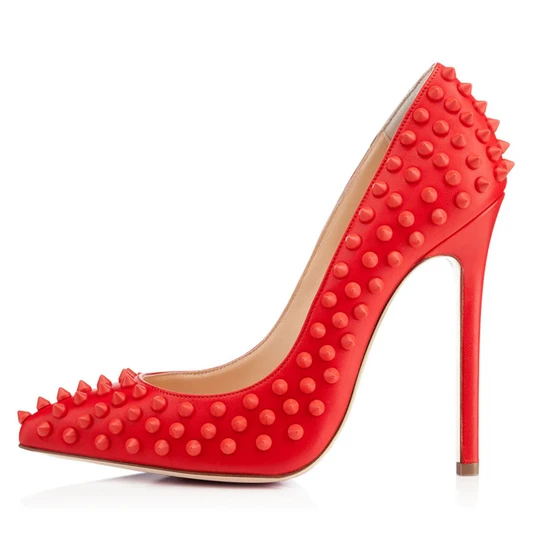

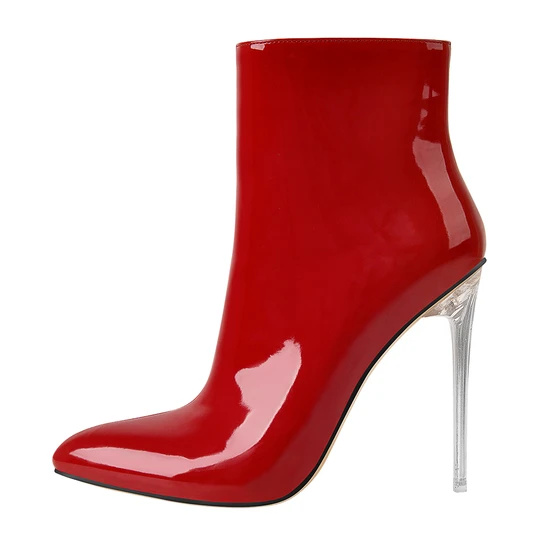
- Related Blog
- Reviews
- Reviews
