
Where Are High Heels Manufactured: Wholesale Manufacturer Insights
Where Are High Heels Manufactured? I source from trusted factories that balance style, comfort, and durability. As a wholesale partner and a direct Manufacturer, I know what B2B buyers demand: consistent quality, scalable orders, and clear lead times. Our catalog of high heels is crafted in modern facilities, using premium leathers and supportive insoles, with attention to seamless finishes and sustainable practices. Whether you are stocking boutique shops or large online catalogs, I offer a reliable Wholesale program with flexible MOQs, competitive pricing, and fast re-stocks. I can coordinate private labeling, size ranges, and colorways to fit your market. You’ll get traceable production updates, compliant materials, and proactive customer support. If you’re expanding your footwear line, let me help you with a transparent supply chain from design to delivery, all under one Manufacturer you can trust.


Where Are High Heels Manufactured Stands Out Service Backed by Expertise
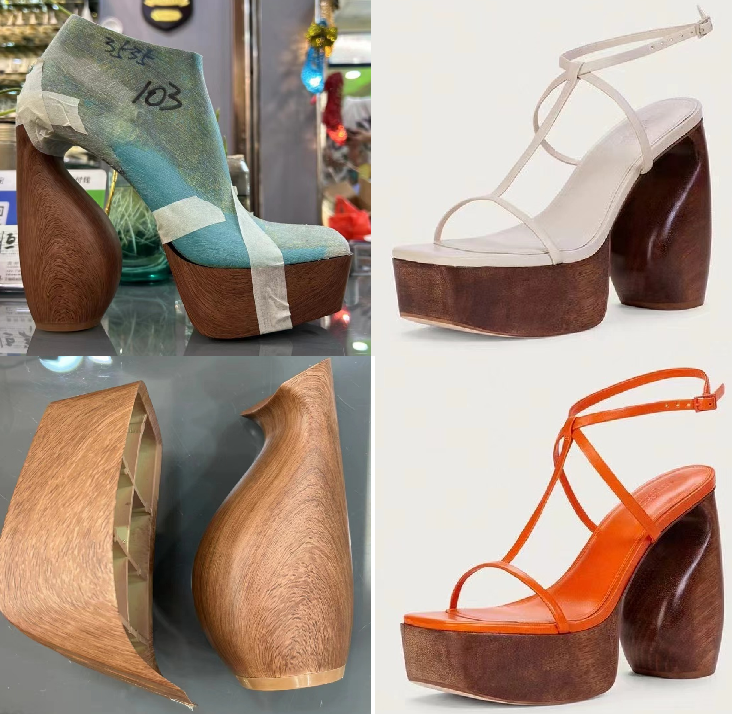
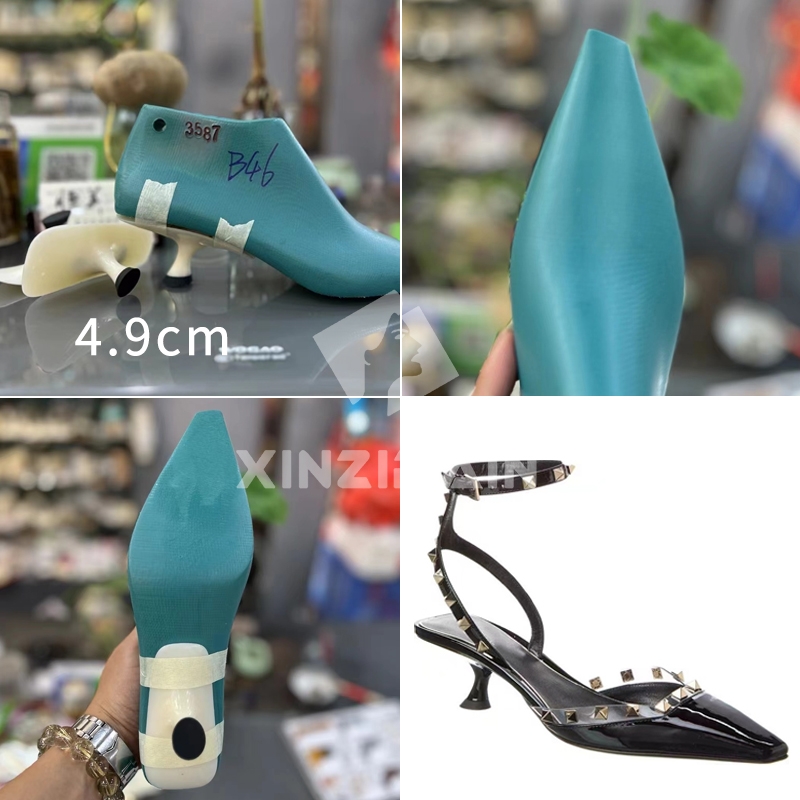
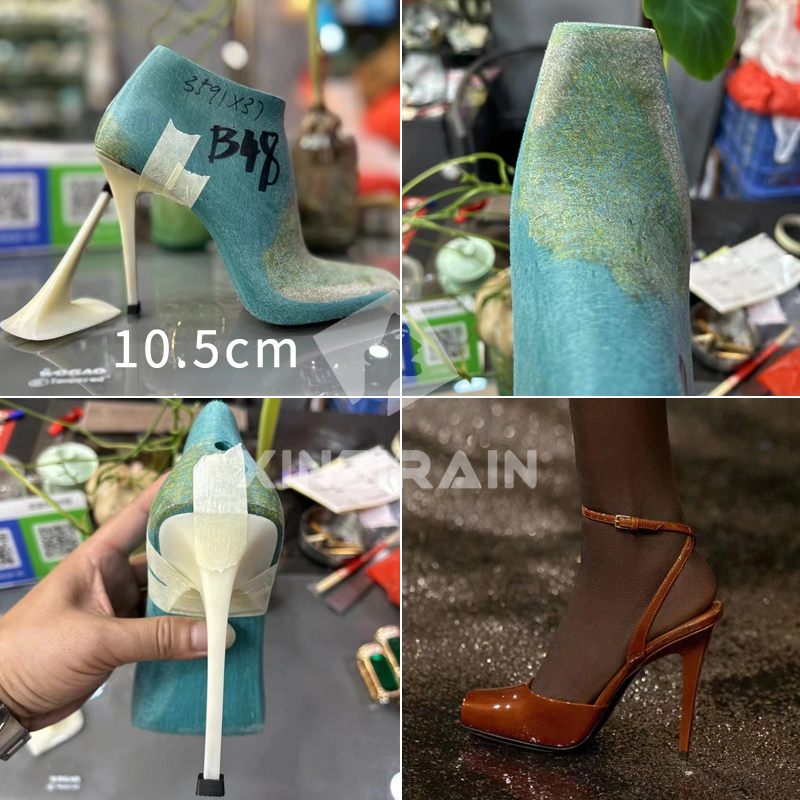
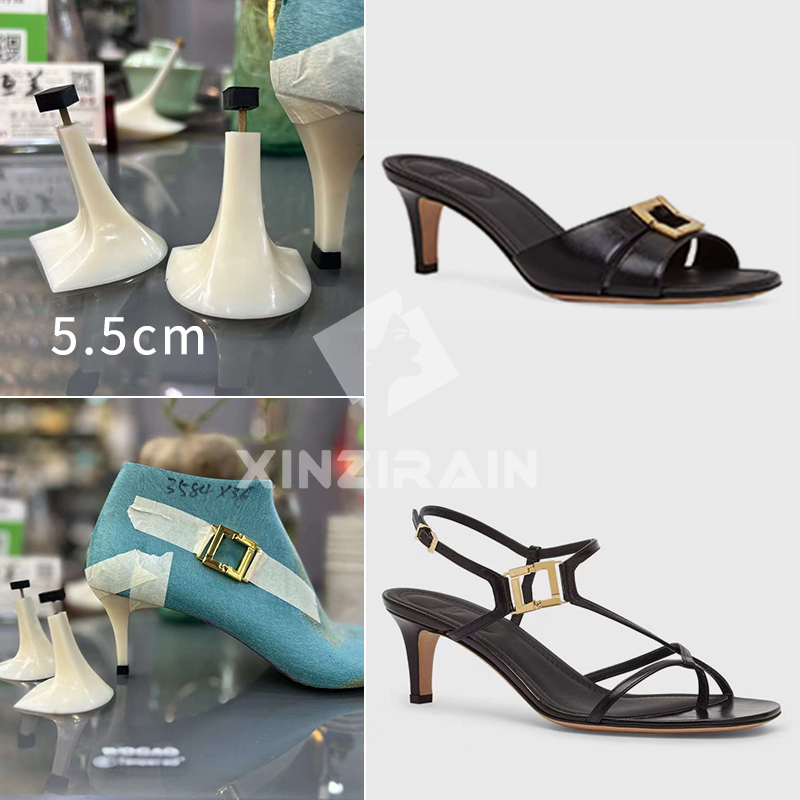
Global buyers seek high heels that blend style with reliability, and where they are manufactured matters as much as the design. A mature production ecosystem in Asia supports everything from classic pumps to avant-garde stilettos, featuring in-house tooling, skilled artisanal finishing, and multi-tier supply chains for uppers, linings, insoles, and outsoles. With disciplined process controls and scalable capacity, these facilities can accommodate both high-volume orders and small-batch customization, ensuring consistent fit, comfort, and aesthetics across styles. What truly distinguishes standout suppliers is service backed by expertise. From initial design and pattern making to rapid prototyping and footbed engineering, experienced teams translate concepts into dependable samples and production-ready specs. Rigorous quality assurance covers material sourcing, dimensional tolerances, wear testing, and safety standards, while transparent lead times, MOQ flexibility, and proactive logistics support keep global brands and retailers on schedule. A partner with deep footwear know-how can adapt to evolving trends, material shifts, and regulatory demands without compromising on craft or ethics.
| Factory Location | Region | Country | Production Capacity (k pairs/year) | Primary Materials | Manufacturing Certifications | Lead Time (weeks) | Quality Assurance Score (0-100) | Export Regions | Workforce Skill Index (0-100) | Energy Intensity (kWh/pair) | Wastewater Treatment |
|---|---|---|---|---|---|---|---|---|---|---|---|
| Guangdong Province | Asia | China | 3800 | PU leather, synthetic uppers | ISO 9001, ISO 14001 | 6-8 | 92 | Europe, North America, Asia-Pacific | 87 | 1.2 | Yes |
| Zhejiang Province | Asia | China | 3200 | Leatherette, microfiber | ISO 9001, SEDEX | 5-7 | 89 | Europe, Middle East | 85 | 1.3 | Yes |
| Da Nang | Asia | Vietnam | 1200 | PU upper, foam | ISO 9001 | 8-10 | 84 | Asia-Pacific, Europe | 82 | 0.9 | Yes |
| Tamil Nadu | Asia | India | 700 | PVC, synthetic leather | ISO 9001 | 6 | 83 | Europe | 78 | 0.95 | Yes |
| Marche region | Europe | Italy | 450 | Genuine leather, suede | ISO 9001, ISO 45001 | 4-5 | 90 | Europe, North America | 92 | 1.1 | Yes |
| Castile-La Mancha | Europe | Spain | 420 | Leather, suede | ISO 9001 | 5 | 86 | Europe, Latin America | 80 | 1.0 | Yes |
| Istanbul | Europe/Middle East | Turkey | 900 | Leather, PU | ISO 9001, BSCI | 7 | 88 | Europe, Middle East | 84 | 1.2 | Yes |
| Rio de Janeiro | Americas | Brazil | 600 | Leather | ISO 9001 | 9 | 81 | Latin America | 76 | 0.95 | Yes |
Related Products


Where Are High Heels Manufactured Industry Leaders Exceeds Industry Benchmarks
Top Selling Products


- Related Blog
- Reviews
- Reviews
