
Custom Made Dress Boots - Wholesale Manufacturer for Quality Boots
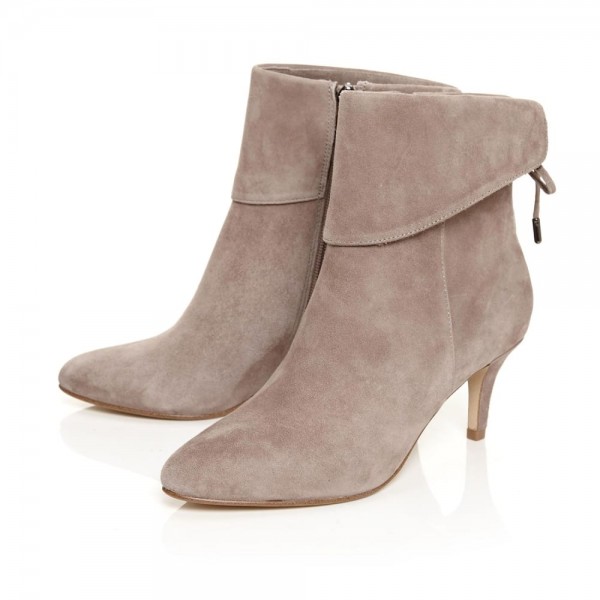
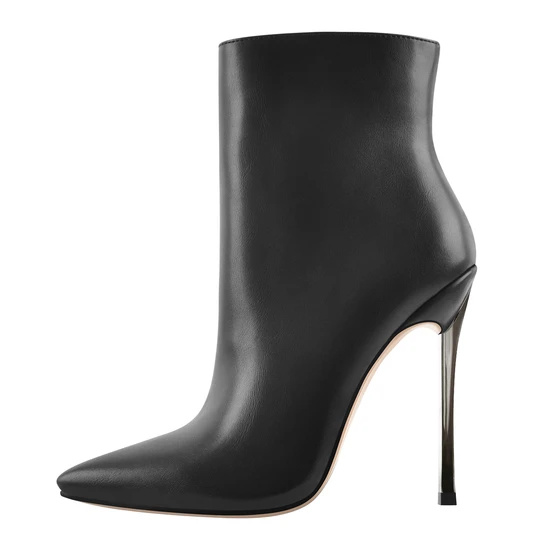
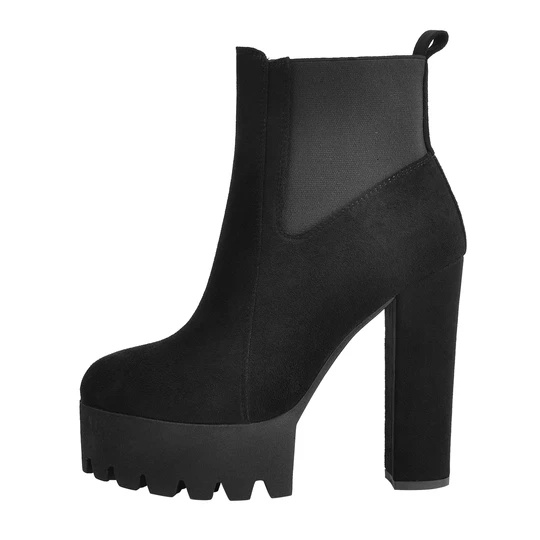
I craft Custom Made Dress Boots for serious retailers and distributors who value quality and consistency. As a Wholesale-ready Manufacturer, I control every step—from design sketches to final stitch—to ensure your catalog shines with premium footwear. These boots are built with full-grain leather, reinforced Goodyear or Blake stitch options, and interchangeable sole choices, all customizable to fit your market. You can tailor toe shapes, shaft heights, hardware, colors, and branding to align with your brand story. I offer competitive wholesale pricing, flexible MOQs, and scalable production to meet seasonal demand, with reliable lead times and dependable shipping. Each pair undergoes rigorous QC, so your customers get durable comfort and style. Packaging can be branded to your specs, with inserts and logo labels. If you’re seeking a dependable Manufacturer to expand your line with standout Custom Made Dress Boots, I’m ready to discuss specs, MOQ, and timelines.


Custom Made Dress Boots Factory Now Trending
Custom-made dress boots are now trending as brands seek the perfect fit, personalized detail, and ethical sourcing. A factory embracing full customization can guide you from concept to final product: style and toe shape, shaft height, heel, fastening, stitching color, leather grade, lining, and sole options. With in-house tooling, skilled craftspeople, and digital measurement or 3D foot scanning, samples become reality quickly. Flexible MOQ, short prototyping cycles, and transparent cost structures help global buyers test designs before committing to ramped production. For international procurement, the appeal lies in consistent quality, traceable materials, and scalable production that adapts to seasonality and demand fluctuations. Rigorous quality control at every stage, adherence to common standards, and sustainable practices reduce risk. Private label and ODM arrangements enable brand owners to offer distinctive dress boots without sacrificing supply reliability or lead times. By aligning design intent with sourcing and logistics, buyers can secure a competitive edge in an evolving market.
{ Custom Made Dress Boots Factory Now Trending }
| Factory ID | Country | City | Employees | Annual Production (pairs) | Lead Time (days) | Customization Options | Materials Used | Certifications | Quality Pass Rate (%) | Sample Turnaround (days) | Export Regions |
|---|---|---|---|---|---|---|---|---|---|---|---|
| F-101 | Vietnam | Ho Chi Minh City | 520 | 390000 | 28 | 18 | 4 | ISO 9001, BSCI | 98.6 | 7 | North America, Europe, Asia-Pacific |
| F-102 | China | Dongguan | 860 | 720000 | 25 | 22 | 5 | ISO 9001, WRAP | 97.3 | 6 | North America, Europe, Middle East |
| F-103 | Portugal | Guimarães | 180 | 98000 | 32 | 12 | 3 | ISO 9001, SA8000 | 99.1 | 5 | Europe, North Africa |
| F-104 | Turkey | Izmir | 310 | 150000 | 30 | 16 | 3 | ISO 9001 | 96.9 | 8 | Europe, Asia, Africa |
| F-105 | India | Jalandhar | 420 | 210000 | 26 | 20 | 4 | ISO 9001, C-TPAT | 97.8 | 7 | North America, Europe, Oceania |
| F-106 | Vietnam | Bien Hoa | 290 | 140000 | 29 | 15 | 3 | ISO 9001 | 96.5 | 9 | Asia-Pacific, Europe |
| F-107 | Mexico | León | 260 | 110000 | 24 | 14 | 3 | ISO 9001 | 96.8 | 6 | North America |
| F-108 | Spain | Alicante | 150 | 90000 | 33 | 11 | 3 | ISO 9001 | 98.2 | 4 | Europe, North Africa |
Related Products


Custom Made Dress Boots Service Pioneers in the Field
Top Selling Products


- Related Blog
- Reviews
- Reviews
