
Designer Bag Manufacturers - Wholesale & Manufacturer Directory
As one of the {Designer Bag Manufacturers}, I craft premium bags for {Wholesale} orders and private label projects. We partner with retailers and brands who want a reliable {Manufacturer} they can trust. From totes to crossbodies, our design team delivers on-trend shapes, rich materials, and durable hardware. I oversee every step: ethical sourcing, color fastness testing, and strict QC before dispatch. Lead times are short, MOQ friendly, with flexible customization—logo placement, size, and hardware finishes. Our factory supports both boutiques and large distributors, delivering consistent quality at competitive prices. When you work with me, you get clear communication, real samples, and scalable production to meet seasonal demand. Let’s talk about your bag line needs—cooperation for {Wholesale} buyers and brand collaborations. We’re committed to strong, long-term partnerships.


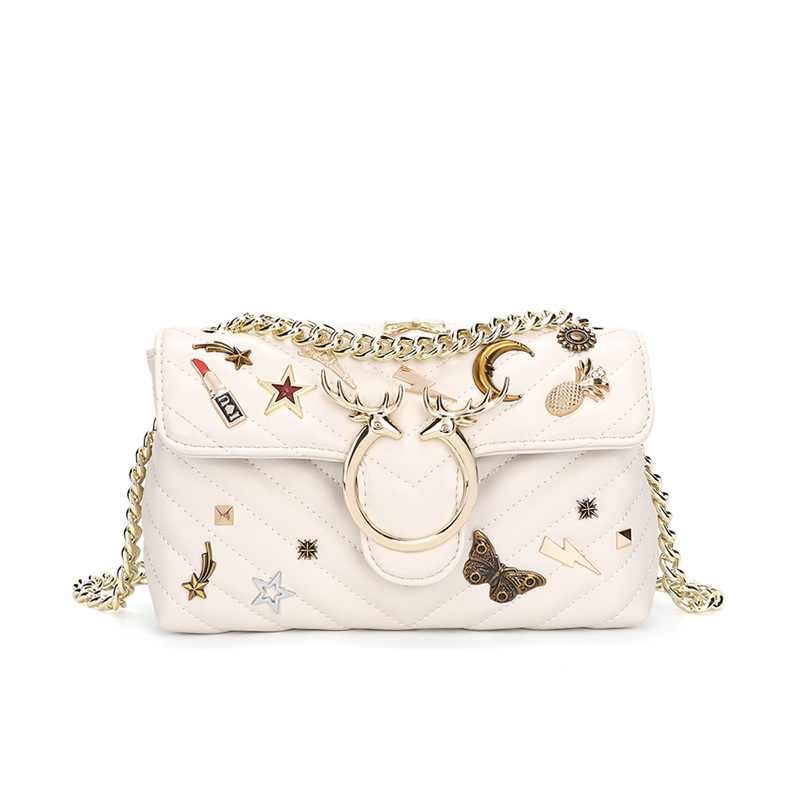
Designer Bag Manufacturers Ahead of the Curve Trusted by Pros
Designers and procurement leaders around the world are redefining luxury by demanding bags that fuse timeless silhouette with smart materials and scalable production. The best designer bag manufacturers stay ahead of the curve by weaving trend data, artisan craft, and engineering into every sample. For pros, the priority is a partner who can translate a concept into precise mass production—without compromising the distinctive touch that defines a premium bag. What sets a trusted partner apart? A capable factory couples in-house tooling and rapid prototyping with rigorous quality control and material traceability. They invest in sustainable sourcing, ethical manufacturing, and transparent lead times, and can handle complex hardware, lining, and finishing techniques at scale. With flexible MOQs, design support, and clear communication, such suppliers let global buyers move from concept to consumer confidently, keeping pace with fast-changing markets while protecting brand integrity.
{ Designer Bag Manufacturers Ahead of the Curve Trusted by Pros }
| Facility Code | Region | Established | Product Range | Certifications | Lead Time (days) | Monthly Capacity (units) | Pros Satisfaction (0-100) | Sustainability Index (0-100) | Warranty (years) |
|---|---|---|---|---|---|---|---|---|---|
| F001 | Asia | 2005 | Leather shoulder bags, totes, backpacks | ISO 9001, BSCI | 28 | 12000 | 92 | 78 | 2 |
| F002 | Europe | 2010 | Genuine leather and vegan bags | ISO 9001, Sedex, FSC | 32 | 9000 | 89 | 84 | 2 |
| F003 | Americas | 1998 | Travel bags, clutches, laptop bags | ISO 9001, GRS | 35 | 11000 | 90 | 70 | 3 |
| F004 | Asia | 2012 | Crossbody, totes | ISO 14001, BSCI | 25 | 8000 | 87 | 76 | 1 |
| F005 | Europe | 2000 | Premium leather briefcases | ISO 9001, FSC, SMETA | 40 | 7000 | 94 | 82 | 3 |
| F006 | Americas | 2008 | Eco-friendly bags using recycled nylon | ISO 9001, OEKO-TEX | 22 | 6000 | 88 | 91 | 2 |
| F007 | Asia | 2015 | Sport and gym bags | ISO 9001, BSCI | 18 | 5000 | 85 | 71 | 1 |
| F008 | Europe | 2003 | Luxury handbags, evening bags | ISO 9001, SMETA, REACH | 30 | 10000 | 93 | 88 | 4 |
Related Products
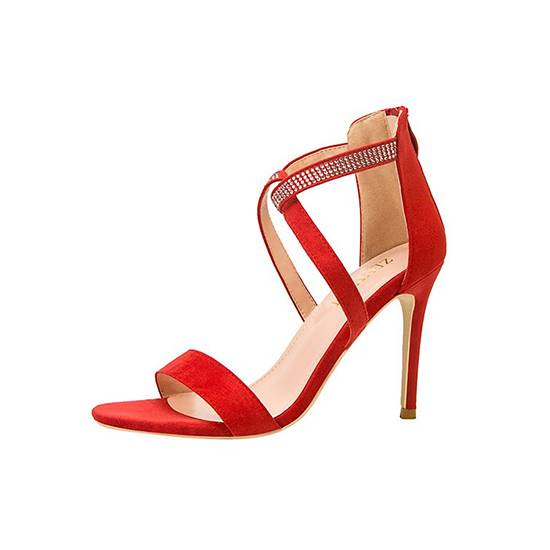





Designer Bag Manufacturers in 2025 Now Trending
Top Selling Products





- Related Blog
- Reviews
- Reviews
