
Handbag Manufacturing: Wholesale Manufacturer for Premium Bags
From the first sketch to the final stitch, I handle Handbag Manufacturing with care, delivering reliable products for retailers and brands. As a wholesale partner and trusted Manufacturer, we produce leather and fabric handbags in a range of styles—from totes to crossbody to clutches. Our facilities blend skilled craftsmanship with efficient production lines, enabling scalable Wholesale orders without sacrificing quality. We offer customizable options: materials, hardware, colors, branding, and packaging, plus strict QC at every stage. Lead times are predictable, and pricing is competitive for bulk orders. We accompany you from sample development to mass production, with clear communication and flexible milestones. You’ll love our traceability, sustainable practices, and refunds on defects. If you’re seeking a dependable handbag manufacturing supplier for Wholesale channels, we’re ready to collaborate on your next collection and bring it to market fast.


Handbag Manufacturing Service More Than a Supplier - A Partner
Global buyers seeking more than a quick shipment deserve a handbag manufacturing partner who can manage end-to-end development. A Chengdu-based facility blends craftsmanship with scalable production, supporting both custom runs and larger volumes. We handle design support, pattern making, prototyping, material sourcing, hardware selection, and strict quality control with full traceability to meet international standards and social compliance. With transparent communication, flexible lead times, and proactive risk management, you reduce surprises and accelerate time-to-market. We optimize cost without compromising quality, offering sustainable materials and ethical manufacturing. Beyond production, we support packaging, logistics, and after-sales service, delivering a reliable, growth-ready partner built on trust and shared goals.
{ Handbag Manufacturing Service More Than a Supplier - A Partner}
| Dimension | Description | Realistic Example |
|---|---|---|
| Lead Time (days) | Turnaround time from order confirmation to production-ready shipment | 25–40 days; typical 32 days for standard lines, longer for highly customized runs |
| Monthly Capacity (units) | Approximate finished bag units producible per month | 8,000–12,000 units, depending on bag complexity and tooling availability |
| Supported Materials | Materials used in bag construction | Full-grain leather, corrected-grain leather, vegan leather (PU), canvas, denim |
| Primary Manufacturing Methods | Key stitching and finishing techniques | Lockstitch, saddle stitch, edge painting, heat-sealed linings |
| Customization Options | Degree of customization available to partners | Colorways: 12+, Hardware finishes: brass/black nickel, Lining options: cotton/synthetic, Logo placement: exterior/interior |
| Certifications & Compliance | Standards and compliance adhered to | ISO 9001, BSCI, SMETA, REACH compliance |
| Geographic Focus / Delivery Regions | Regions served and delivery readiness | North America, European Union, UK, Asia-Pacific shipments; export documentation support |
| Quality Assurance Practices | QA processes during production | In-line inspections at key stations, final random sampling, 100% seam check on critical areas |
| Sustainability & Ethics Programs | Environmental and ethical initiatives | Material traceability, waste reduction program, water recycling, energy-efficient processes |
| R&D & Design Support | Collaboration on product design and development | Prototype development, CAD/3D renderings, fit testing, material optimization |
Related Products


Handbag Manufacturing Trusted by Pros Where Innovation Meets 2025
Top Selling Products



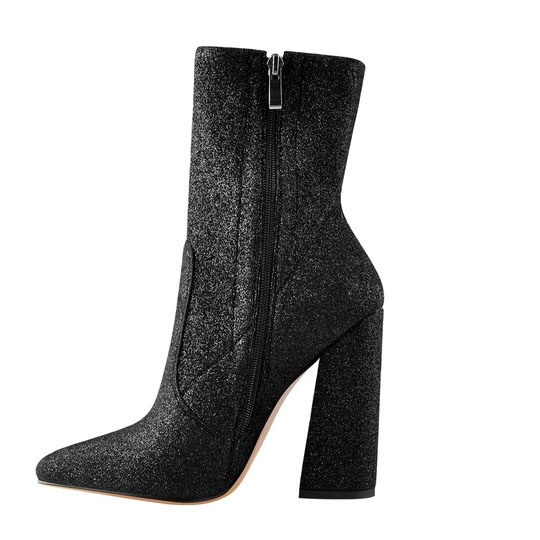
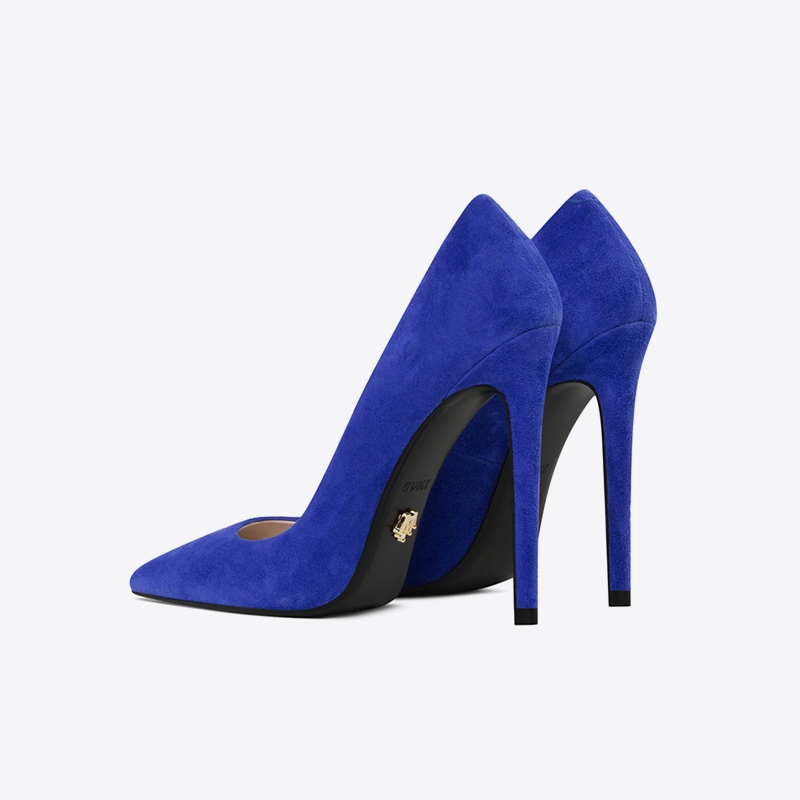
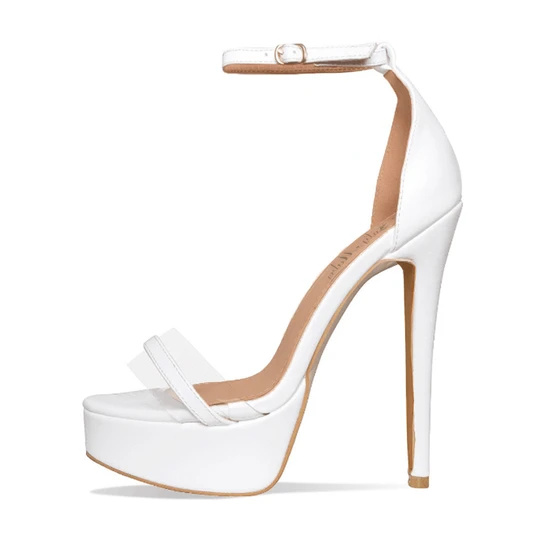
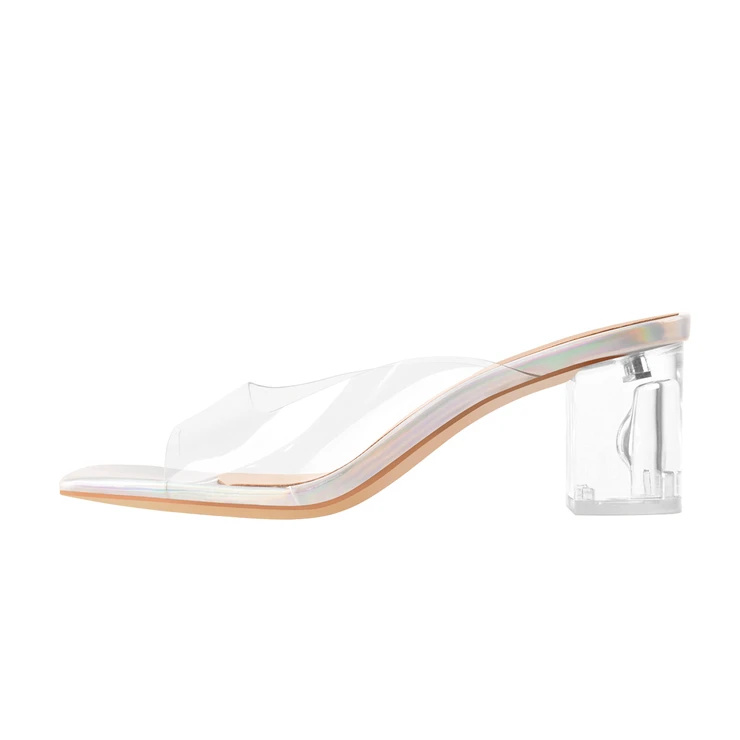

- Related Blog
- Reviews
- Reviews
