
Handcrafting Excellence In Footwear | Wholesale Manufacturer Solutions
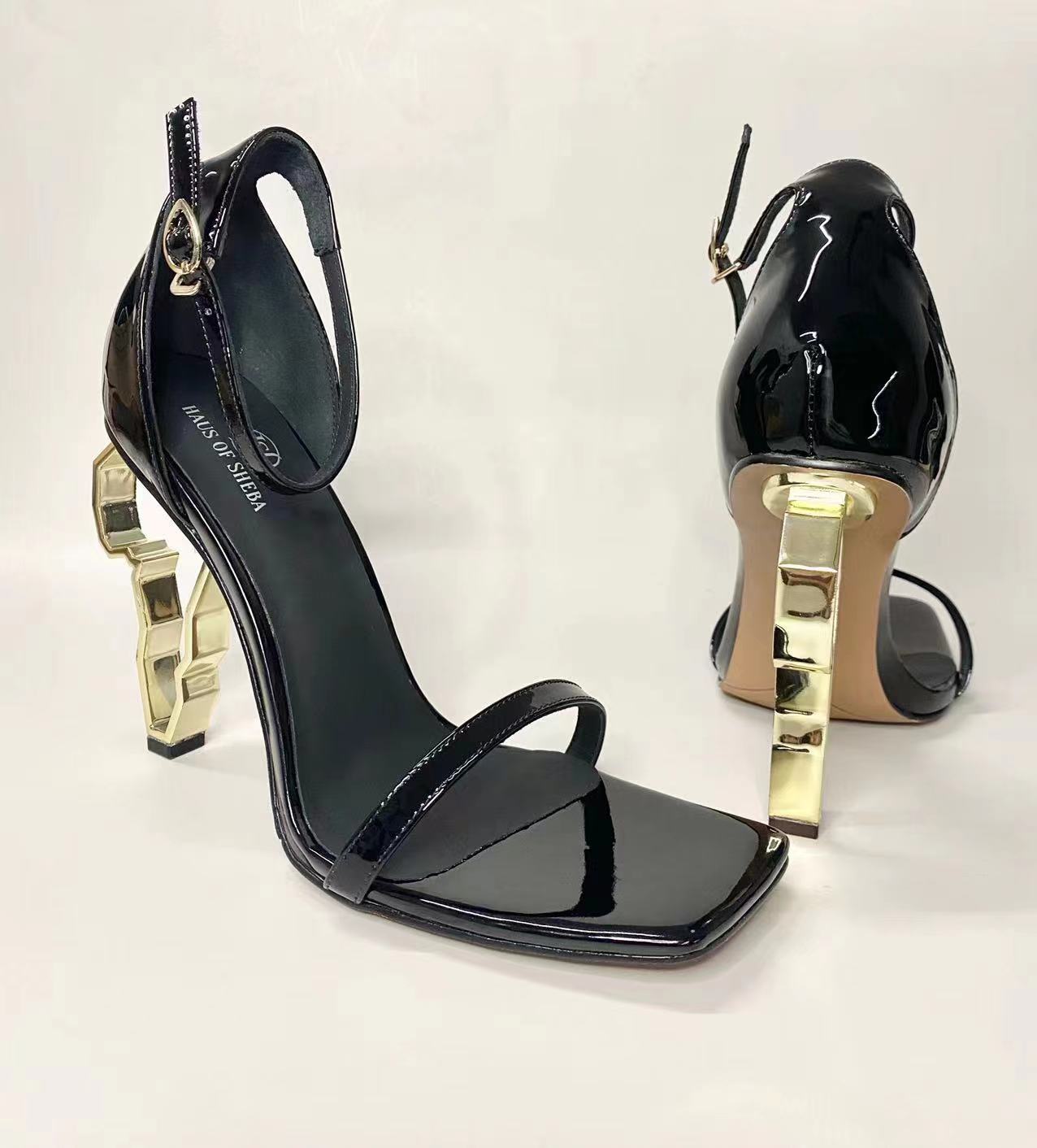
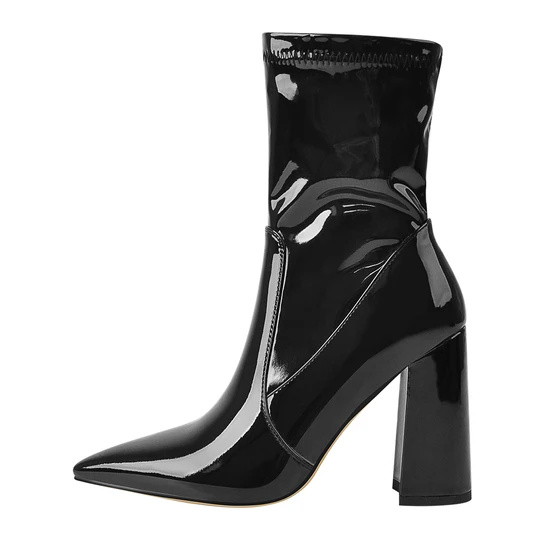
I’m dedicated to Handcrafting Excellence In Footwear for wholesale partners and manufacturers who demand reliability. As a Wholesale Manufacturer, I build shoes that stand up to daily wear and global distribution. Every pair starts with premium leathers, reinforced stitching, and hand-finished detailing that you can show to customers. My process blends traditional techniques with modern quality control, ensuring consistent sizing, comfort, and durability across lines. I offer scalable production, flexible MOQ, and fast lead times so you can respond to market shifts without sacrificing margins. Private labeling, packaging customization, and transparent communications are part of how I work, not afterthoughts. I know that your buyers expect value, on-time delivery, and traceable materials: I deliver. If you’re scouting a partner who treats footwear like a craft and a business, I’m here to collaborate and grow your wholesale portfolio with confidence.


Handcrafting Excellence In Footwear Service in 2025
Handcrafting excellence in 2025 blends time-honored techniques with modern efficiency for global footwear buyers. A Chengdu-based producer relies on skilled artisans who hand-cut, stitch, and finish every pair, ensuring fit, durability, and character. From premium leather to innovative synthetics, materials are controlled in-house, delivering traceability and ethical practices from first sample to full-scale production. Small batches fit seasonal launches and large-scale collaborations alike. Service in 2025 means a seamless buyer experience beyond the product. Rapid sampling cycles, clear pricing, and proactive program management keep partners informed. In-house quality assurance, rigorous testing, and on-time delivery are built into the workflow. The offering includes customization, responsible material sourcing, sustainability compliance, packaging options, and a robust after-sales program to reduce risk and build lasting partnerships in a global market.
| Dimension | Description | 2023 | 2024 | 2025 Forecast |
|---|---|---|---|---|
| Overall Customer Experience | Composite score combining CSAT and perceived service quality | 82.5 | 84.3 | 86.2 |
| Net Promoter Score (NPS) | Represents likelihood to recommend service | 42 | 46 | 50 |
| First Contact Resolution Rate | Share of inquiries resolved on first contact | 68% | 74% | 79% |
| Average Repair Turnaround Time | Average days to complete a repair or refurbishment | 6.8 | 5.9 | 5.2 |
| Rework Rate | Percentage of repairs requiring rework after initial completion | 7.5% | 6.2% | 4.9% |
| Quality Assurance Pass Rate | QA checks passed on initial inspection | 91% | 93% | 95% |
| Regional Coverage | Number of service regions covered | 3 regions | 5 regions | 7 regions |
| Channel Mix | Share of bookings by channel (In-store vs Online) | In-store 62%, Online 38% | In-store 67%, Online 33% | In-store 70%, Online 30% |
| Sustainability Initiatives | Waste reduction and eco-friendly processes | 12% | 16% | 20% |
| Employee Training Hours | Average training hours per quarter per technician | 2.5 | 3.0 | 3.5 |
| Warranty Claim Rate | Share of cases under warranty requiring service | 5.3% | 4.8% | 4.1% |
| On-Time Delivery for Repairs | Percentage of repairs delivered on or before promised date | 78% | 85% | 88% |
| Repair Type Distribution | Share of major repair categories | Sole/Upper 34%, Stitching 26%, Leather Repair 20%, Others 20% | Sole/Upper 36%, Stitching 28%, Leather 18%, Others 18% | Sole/Upper 38%, Stitching 30%, Leather 15%, Others 17% |
Related Products


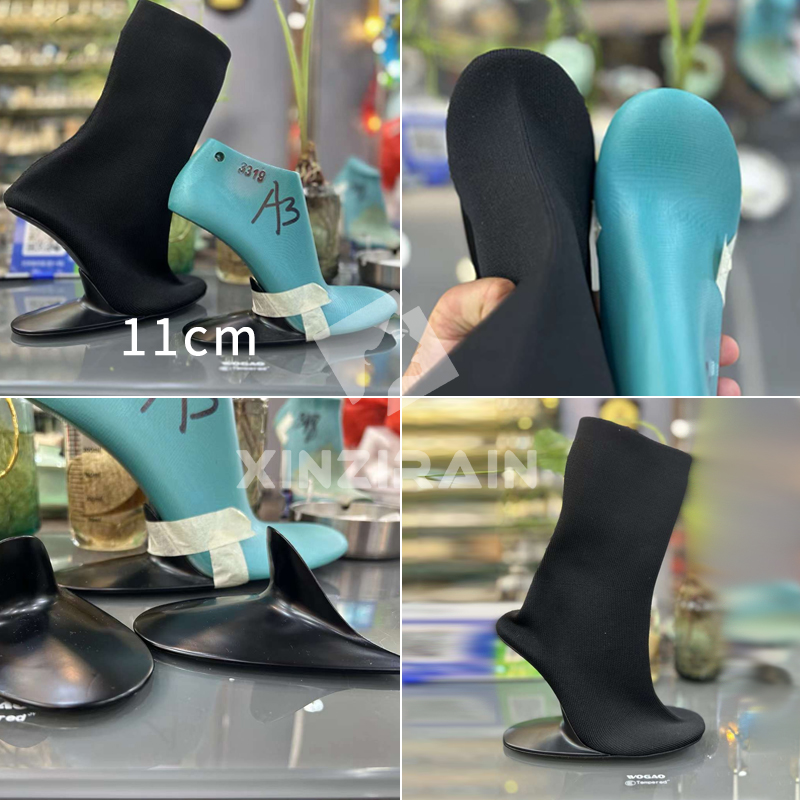
Handcrafting Excellence In Footwear in 2025 For the Current Year
Top Selling Products



- Related Blog
- Reviews
- Reviews
