
Handmade Shoes Manufacturer - Wholesale & Direct
From my workshop, I am a Handmade Shoes Manufacturer who blends time-honored hand stitching with reliable modern soles. I supply footwear for brands and retailers; if you're looking into Wholesale options, we can scale your orders with consistent quality and steady lead times. We offer OEM/ODM services, private label packaging, and flexible MOQ to match your demand. We use full-grain leather, suede, and sustainable materials, crafted by skilled artisans, so your clients feel the difference. You’ll get product spec sheets, size charts, and a code of conduct that keeps our supply chain transparent. As a Manufacturer, I believe in fast replies, proactive communication, and samples that arrive on time. With a direct line to our production team, you can request custom lasts, stitching patterns, and finishings. Partner with us to build a reliable supply, reduce risk, and grow your catalog with authentic, handmade craftsmanship.




Handmade Shoes Manufacturer Application Now Trending
Handmade shoes are now trending on dedicated platforms that connect skilled workshops with global buyers. Buyers can discover authentic craft, verify materials, compare production capacities, and request samples—all in one place. With options for customization—from uppers to stitching—concepts move quickly to prototypes while keeping the artisanal touch and transparent quality workflows. Small-batch and on-demand models reduce risk and inventory, while shortening lead times through closer-to-market production. Buyers gain sustainability and ethical sourcing through traceable materials and craftsmanship. Clear communication, design approval, and milestone tracking help align expectations from first sketch to first run, delivering unique footwear with reliable quality.
{ Handmade Shoes Manufacturer Application Now Trending }
| Applicant_ID | Country | City | Factory_Size | Materials_Used | Production_Capacity | Certifications | Labor_Practices | Lead_Time_Days | Sustainability_Score | Application_Status | Review_Notes |
|---|---|---|---|---|---|---|---|---|---|---|---|
| A-09284 | Italy | Florence | 3,200 m² | Vegetable-tanned leather, cork insoles, natural rubber sole | 1200 pairs/month | StEP by OEKO-TEX, ISO 9001 | Compliant labor standards; 40 workers; no child labor | 28 | 8.7 | Under Review | Audit scheduled; materials verification in progress |
| A-10974 | Spain | Alicante | 1,800 m² | Full-grain leather, recycled foam, jute uppers | 900 pairs/month | ISO 9001, OEKO-TEX | Safe workplace; 26% women workforce | 22 | 8.2 | Approved | Approved after document verification |
| A-20156 | Vietnam | Ho Chi Minh City | 2,500 m² | Synthetic vegan leather, cork, rubber | 1,500 pairs/month | SA 8000, ISO 14001 | Fair wage policy; 60% local hires | 25 | 7.9 | Under Review | Request sample batch and supplier traceability |
| A-30477 | India | Mumbai | 1,400 m² | Leather, natural crepe outsole, cork insoles | 1,100 pairs/month | ISO 9001, SEDEX | Overtime policy; 35 workers | 30 | 7.5 | Rejected | Missing environmental compliance certificate |
| A-51289 | Portugal | Porto | 900 m² | Cork, leather, rice straw fiber insoles | 700 pairs/month | ISO 45001 | Women-led design team; 20 workers | 18 | 8.5 | Approved | Audit verified; sustainability docs complete |
| A-62811 | Turkey | Istanbul | 1,500 m² | Sheepskin, recycled rubber outsole | 950 pairs/month | ISO 9001, BSCI | Safety training; 28 workers | 24 | 8.0 | Under Review | Awaiting supplier traceability docs for leather |
Related Products


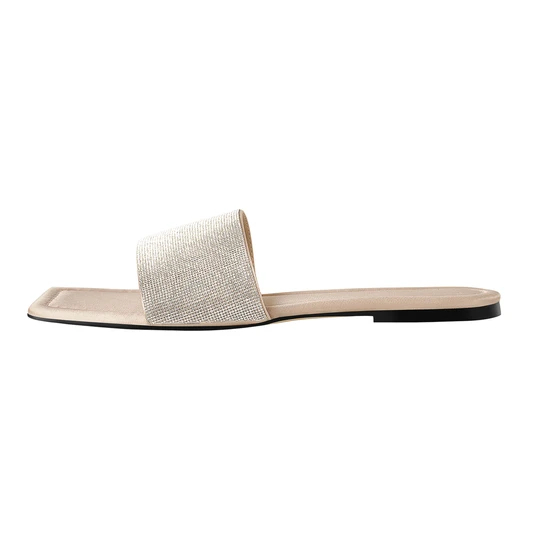
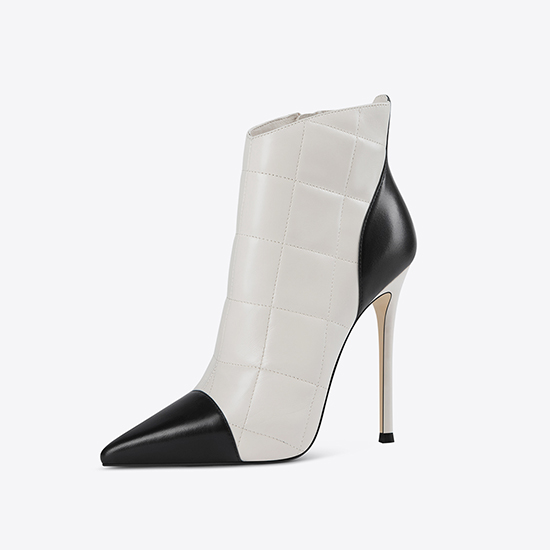
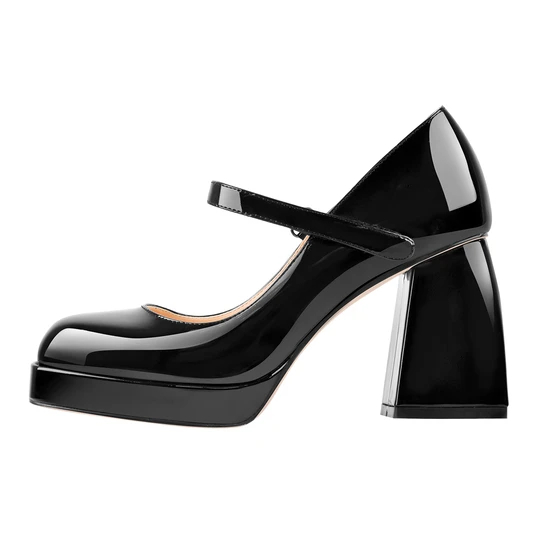
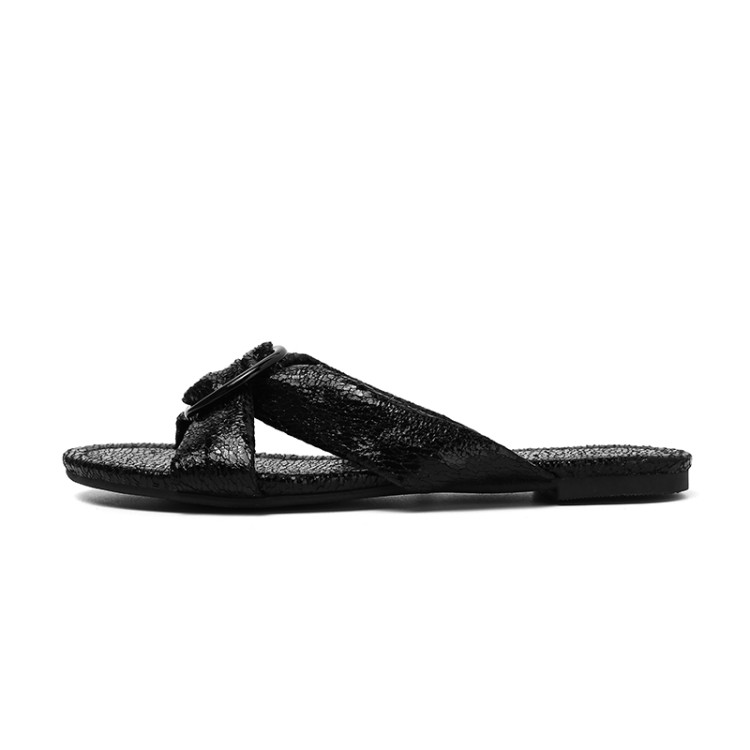
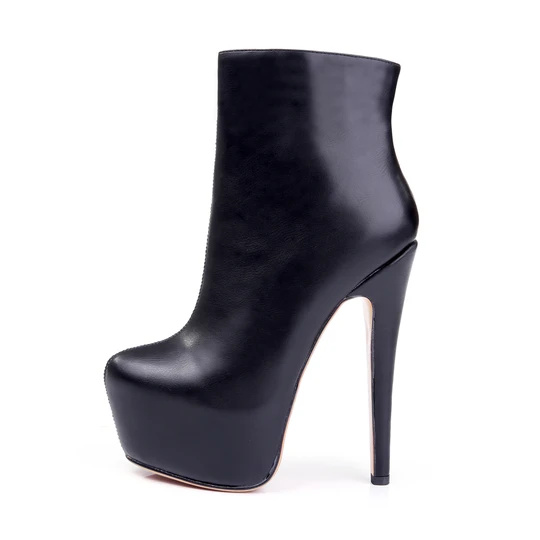
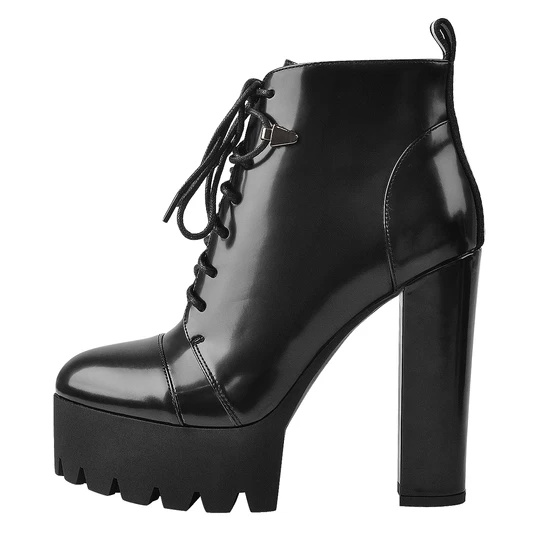
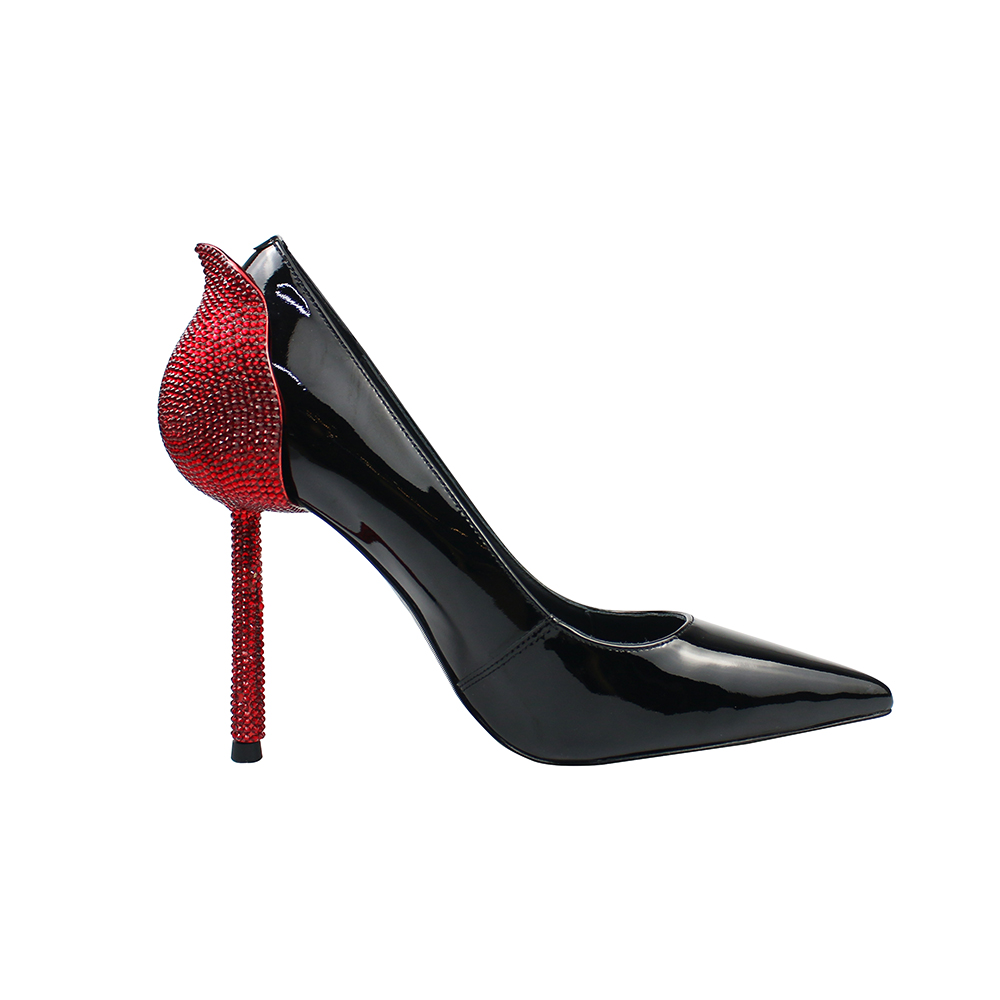
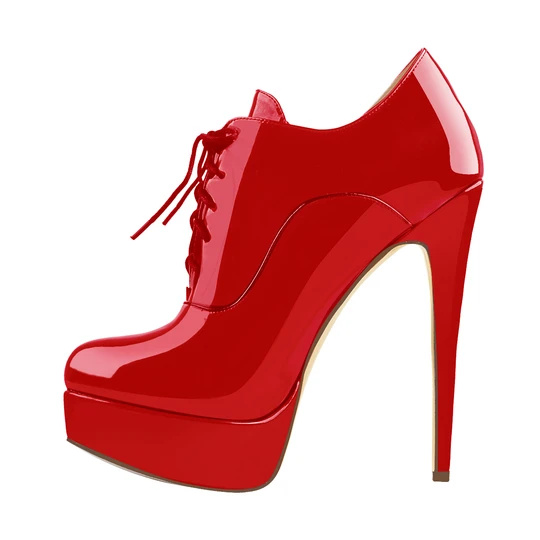
Handmade Shoes Manufacturer Products Delivers Unmatched Quality
Top Selling Products



- Related Blog
- Reviews
- Reviews
