
Leather Recycling Programs: Wholesale Manufacturer Partnerships
From my experience as a leather goods manufacturer, I lead our Leather Recycling Programs that turn scrap into value. We serve Wholesale buyers and brands seeking dependable sourcing and greener operations. Our program analyzes your waste streams, designs a tailored plan, and handles on-site or off-site processing with strict quality control. You’ll see lower disposal costs, increased material recovery, and new revenue from reclaimed pieces. I prioritize transparent pricing, flexible MOQ, and dedicated support to keep your supply chain smooth. The process preserves leather integrity enough for new components, fashion accessories, or upcycled panels, helping you meet sustainability goals without sacrificing performance. If you’re a Wholesale partner or a Manufacturer looking for responsible, scalable recycling solutions, I’d be glad to discuss how we can collaborate to boost margins and reputation.
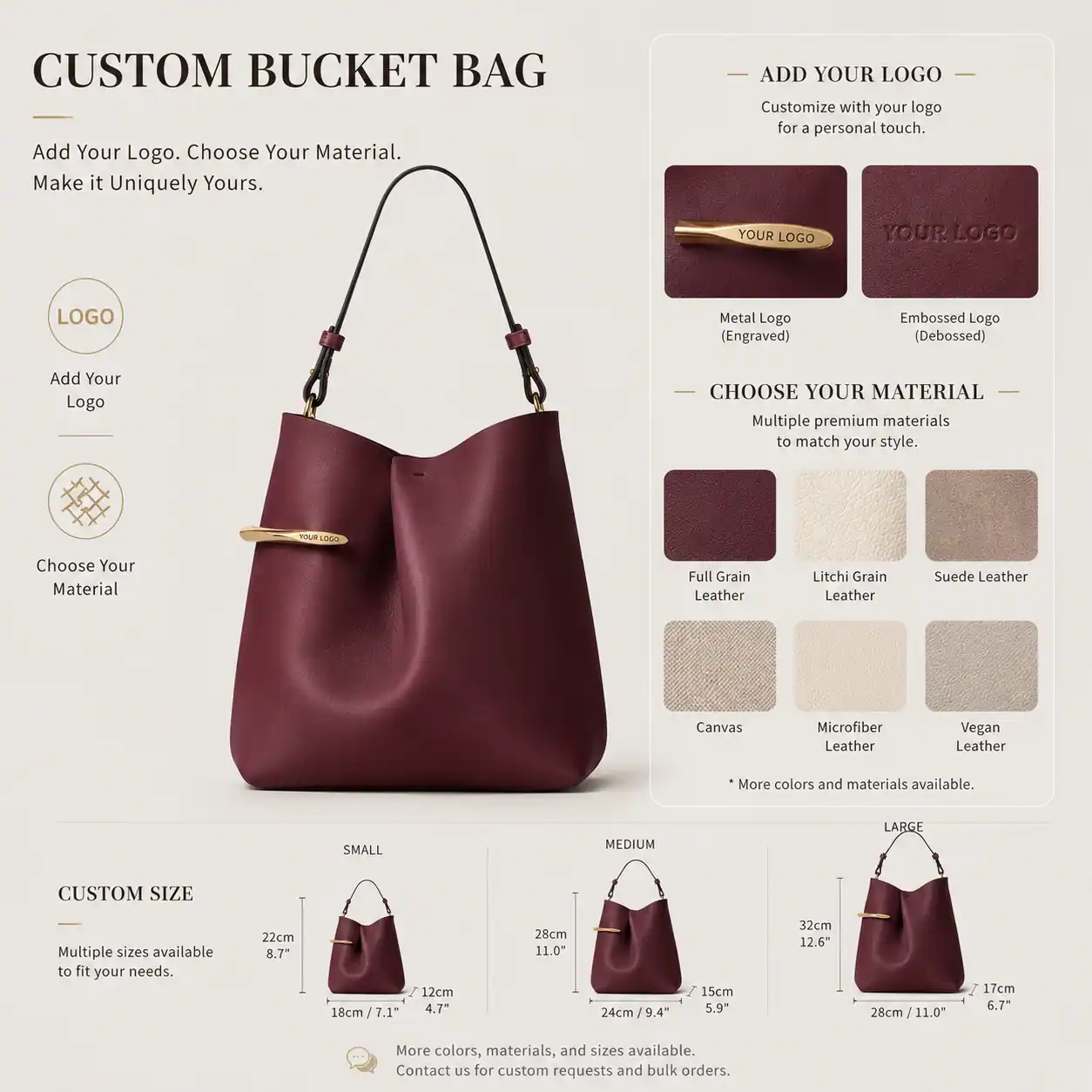


Leather Recycling Programs Pioneers in the Field Your Trusted OEM Partner
Leather recycling programs have evolved from niche initiatives to strategic differentiators for footwear and leather goods. Pioneers collaborate with global brands to design closed‑loop systems that cut waste, reclaim materials, and fortify supply chains. As an experienced OEM partner, we integrate recycling insights into product development—from material sourcing and scrap reduction to post‑consumer waste reclamation—delivering high‑quality outputs with a smaller environmental footprint. Global buyers seek partners who combine technical know‑how with scalable manufacturing and transparent stewardship. We offer engineered recycled leather solutions with customizable textures, thickness, and colors, backed by traceability, certifications, and responsible tannery collaborations. Our processes maximize material yield, minimize solvents, and align with circular economy goals, enabling cost efficiency and reliable supply across regions. Together we can co‑design products that perform like traditional leathers while delivering verifiable sustainability metrics, on‑time delivery, and flexible volumes. If you’re evaluating innovative, compliant OEM collaborations, consider a partnership built on trust, quality, and measurable environmental impact.
{ Leather Recycling Programs Pioneers in the Field Your Trusted OEM Partner}
| Program ID | Region | Program Type | Stage | Input Leather Waste (t/yr) | Recycled Output (t/yr) | Recycling Method | Energy Use (GJ/yr) | CO2 Savings (tCO2e/yr) | Certifications |
|---|---|---|---|---|---|---|---|---|---|
| Program A | North America | Pilot Program | Pilot | 1,200 | 980 | Mechanical shredding + binding | 42,000 | 3,200 | ISO 14001, ISO 9001 |
| Program B | Europe | Scale-up Program | Scale-up | 1,500 | 1,350 | Chemical dissolution / solvent-based | 60,000 | 5,800 | ISO 14001, GRS |
| Program C | Asia-Pacific | R&D Program | Evaluation | 800 | 720 | Cryogenic grinding | 28,000 | 2,000 | ISO 14001 (pilot) |
| Program D | Latin America | Industrial Consortium | Pilot | 900 | 820 | Enzymatic-assisted chemical | 31,000 | 2,900 | ISO 14001 |
| Program E | Africa | Public-Private Partnership | Scale-up | 1,100 | 1,020 | Mechanical + thermal reclamation | 34,000 | 3,600 | ISO 14001 |
Related Products


Leather Recycling Programs Market Leader Pioneers in the Field
Top Selling Products






- Related Blog
- Reviews
- Reviews
