
Low Heel Casual Sandals Wholesale from Manufacturer
From my workshop to your catalog, I’m a wholesale manufacturer of footwear, and these Low Heel Casual Sandals are built to move your business fast. Crafted with premium uppers, cushioned footbeds, and a stable low heel, they blend everyday comfort with easy styling for urban consumers. I source durable materials, strict QA, and quick MOQ options so you can stock confidently. Whether your clients want versatile workwear or weekend wear, these sandals pair with dresses, skirts, or denim, increasing per-order value. I offer competitive wholesale pricing, customizable colors, sizes, and packaging, and reliable lead times. Our design prioritizes fit on a range of foot shapes, with adjustable straps and anti-slip outsole for safety. As a direct Manufacturer, I keep margins healthy and timelines tight, so you can launch new seasons with confidence. If you’ve seeking a reliable partner for Low Heel Casual Sandals, I’m ready to support your wholesale strategy.


Low Heel Casual Sandals Application in 2025
2025 turns low-heel casual sandals into everyday essentials for city life, work, and travel. The strongest designs combine a 2–3 cm lift with an ergonomic footbed, cushioned insole, and adjustable straps for varied feet. Materials emphasize durability and sustainability: leather or vegan uppers, soft linings, an EVA midsole, and a flexible rubber outsole with good grip. A clean, water-friendly silhouette and restrained hardware keep the style versatile across climates and markets. For global buyers, production can scale at a capable inland facility with private-label options, colorways, and packaging customization. We support low-to-mid volumes for seasonal launches or quick replenishment, backed by strict QC, ethical manufacturing, and international compliance. Sustainable choices—recycled components, water-based dyeing, and responsible sourcing—combine with ODM/OEM flexibility to deliver reliable lead times and smooth logistics for multi-region distribution.
| Region | Market Segment | Application | Heel Height (cm) | Closure Type | Upper Material | Insole Material | Avg Daily Wear (hours) | Adoption Rate (%) | Comfort Rating (1-5) | Durability Rating (1-5) | Common Colors |
|---|---|---|---|---|---|---|---|---|---|---|---|
| North America | Women's Casual | Office/Commuting | 4.0 | Slip-on | Leather | PU | 6 | 68 | 4.3 | 4.5 | Black, Nude, Taupe |
| Europe | Athleisure | Casual outings | 3.5 | Buckle | Synthetic | EVA | 5.5 | 62 | 4.2 | 4.2 | Black, Grey, Navy |
| Asia-Pacific | Travel | Beaches and sightseeing | 4.5 | Ankle strap | Faux leather | PU | 6.5 | 75 | 4.6 | 4.6 | Beige, White, Pink |
| Latin America | Workwear | Office daily | 3.0 | Slip-on | Leather | EVA | 4 | 42 | 4.0 | 4.0 | Black, Brown, Olive |
| Middle East | Casual outings | Shopping & leisure | 3.0 | Buckle | Leather | PU | 5 | 55 | 4.1 | 4.1 | Black, Sand |
| Africa | Youth | School/Leisure | 3.0 | Slip-on | Canvas | EVA | 4.5 | 40 | 4.0 | 3.9 | Navy, Olive, Beige |
| North America | Travel | Walking tours | 4.0 | Tie | Synthetic | PU | 6 | 60 | 4.4 | 4.3 | Black, Sand, White |
| Europe | Workwear | Business casual | 3.5 | Slip-on | Leather | PU | 5 | 58 | 4.2 | 4.5 | Brown, Black, Burgundy |
| Asia-Pacific | Office | Corporate environment | 2.5 | Elastic | Suedes | EVA | 4.5 | 45 | 3.9 | 4.0 | Grey, Black |
Related Products
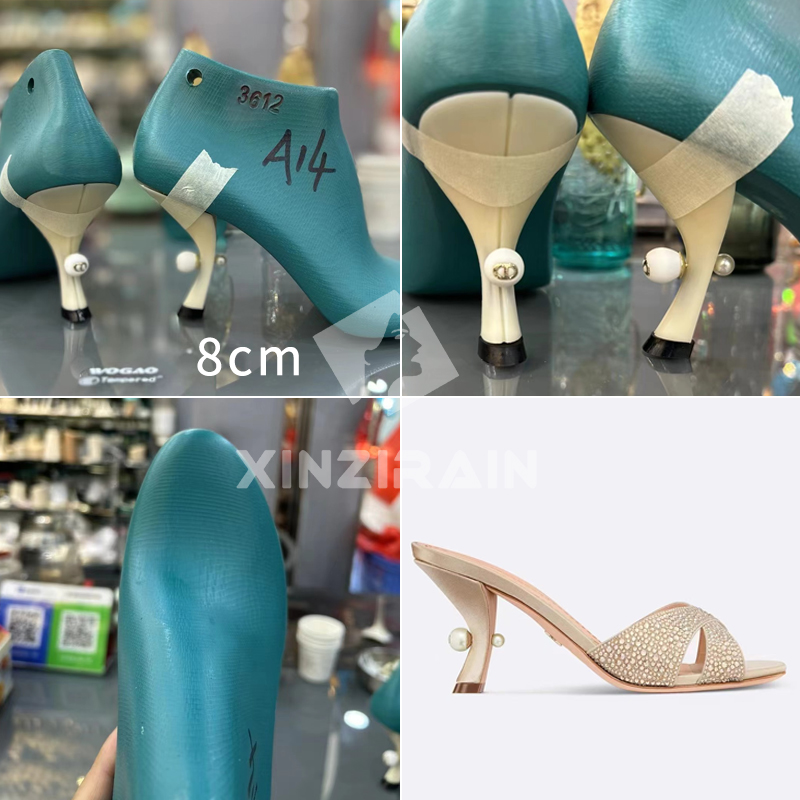

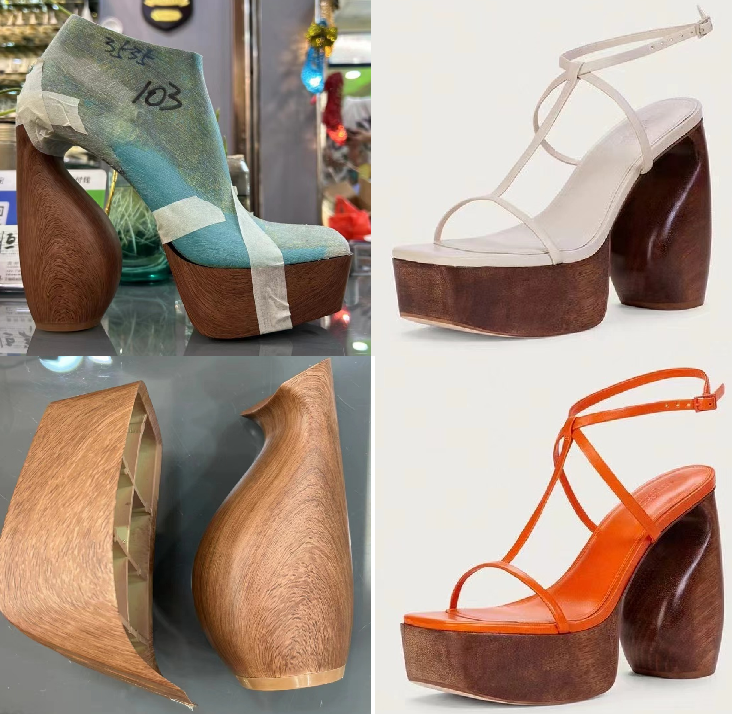
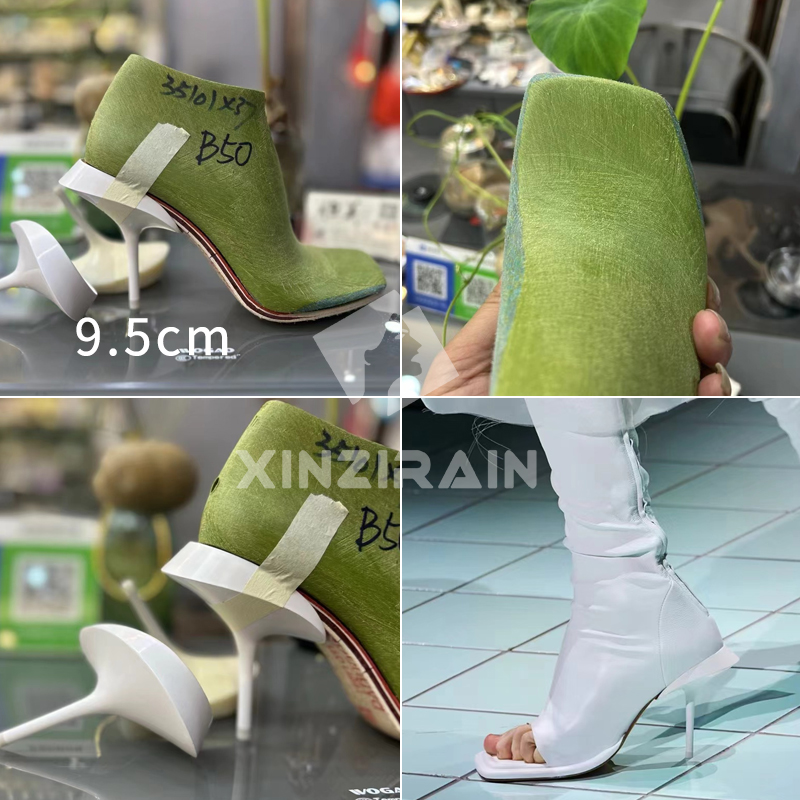
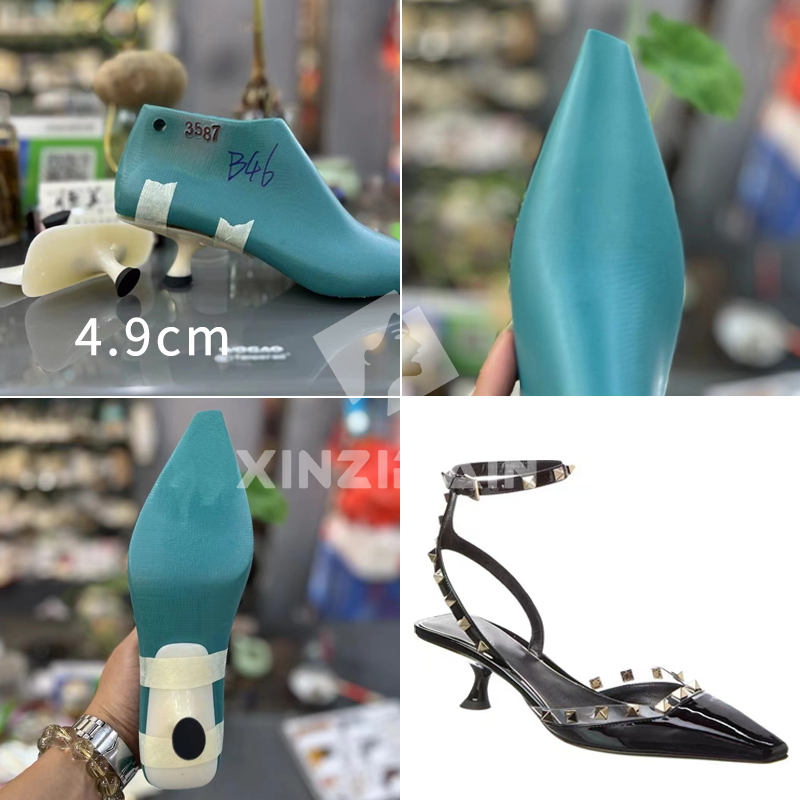
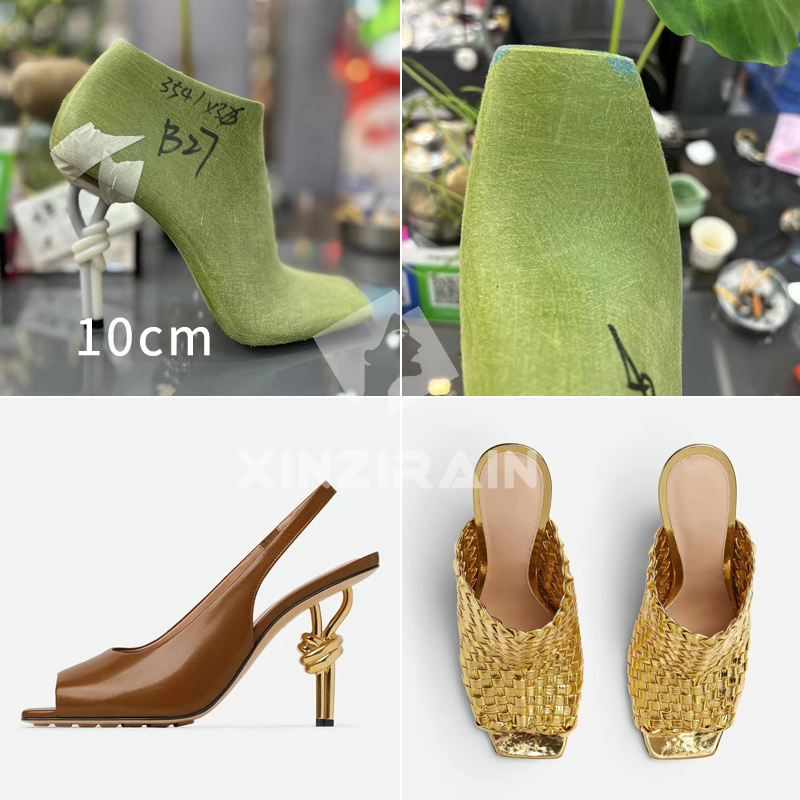
Low Heel Casual Sandals Factory-Direct Excellence Custom Solutions,
Top Selling Products



- Related Blog
- Reviews
- Reviews
