
Make Your Own Shoe Line - Wholesale Manufacturer Solutions
I help brands realize {Make Your Own Shoe Line} from concept to shelf, and I do it with practical steps and a hand-on attitude. As a {Manufacturer}, I offer flexible {Wholesale} terms, minimal risk, and clear timelines. My process covers design, prototyping, material sourcing, tooling, and scale production, so you can launch faster and keep margins intact. You’ll work with a dedicated team that treats your brand like our own—no cookie-cutter solutions. I listen to your market, we tailor sizing, customization, and packaging to fit your channel. We can start small with a pilot run, then ramp up as demand grows. With transparent pricing, quality control, and compliance for international shipments, you’ll feel secure partnering with us. If you’re aiming to own your supply chain and differentiate, I’m here to help you bring your ideas to life and grow together.


Make Your Own Shoe Line Now Trending Delivers Unmatched Quality
Make your own shoe line now trending—and delivering unmatched quality through focused craftsmanship, responsible sourcing, and modern production techniques. From premium EVA and rubber soles to breathable uppers and weatherproof finishes, our factory blends automated precision with hands-on inspection to ensure fit, durability, and comfort that meet international standards. Flexible minimum orders, competitive pricing, and clear lead times make it easy for retailers and designers to test collections or scale quickly. Global buyers benefit from turnkey OEM/ODM services including material selection, custom lasts, private labeling, eco-friendly options, and compliance testing for major markets. Rapid prototyping and transparent quality control reduce time-to-market while scalable production capacity supports seasonal demands. Partner with an experienced manufacturing team to convert your design vision into a reliable product line that attracts customers and strengthens your brand.
| Model_ID | Model_Name | Release_Year | Style_Type | Upper_Material | Lining | Sole_Type | Size_Range_US | Weight_g | Rating | Review_Count | Durability | Comfort | Sustainability | Country_of_Manufacture |
|---|---|---|---|---|---|---|---|---|---|---|---|---|---|---|
| M_A1 | AstraFlex | 2024 | Running | Knit | Breathable Mesh | Rubber | 6-12 | 320 | 4.6 | 1240 | 88 | 92 | 78 | Vietnam |
| M_B2 | TerraRun | 2023 | Trail | Synthetic | Breathable Mesh | Rubber | 7-13 | 360 | 4.5 | 980 | 85 | 90 | 75 | China |
| M_C3 | GlidePro | 2025 | Performance | Knit | Breathable Mesh | EVA | 8-12 | 280 | 4.7 | 2100 | 90 | 94 | 82 | China |
| M_D4 | ZenStep | 2022 | Casual | Canvas | Cotton | Foam | 5-11 | 360 | 4.2 | 540 | 78 | 85 | 60 | Indonesia |
| M_E5 | FluxLite | 2024 | Lifestyle | Mesh | Breathable Mesh | Rubber | 6-10 | 260 | 4.3 | 750 | 80 | 87 | 70 | Portugal |
| M_F6 | AeroPulse | 2025 | Running | Knit | Mesh | TPU | 7-12 | 290 | 4.4 | 1150 | 83 | 89 | 68 | China |
| M_G7 | EchoStride | 2023 | Running | Leather | Fabric | Rubber | 9-14 | 340 | 4.1 | 910 | 77 | 84 | 72 | Indonesia |
| M_H8 | NovaFlex | 2025 | Casual | Leather | Breathable | Foam | 6-12 | 300 | 4.5 | 1120 | 86 | 88 | 79 | Vietnam |
Related Products


Make Your Own Shoe Line Products Is The Best
Top Selling Products
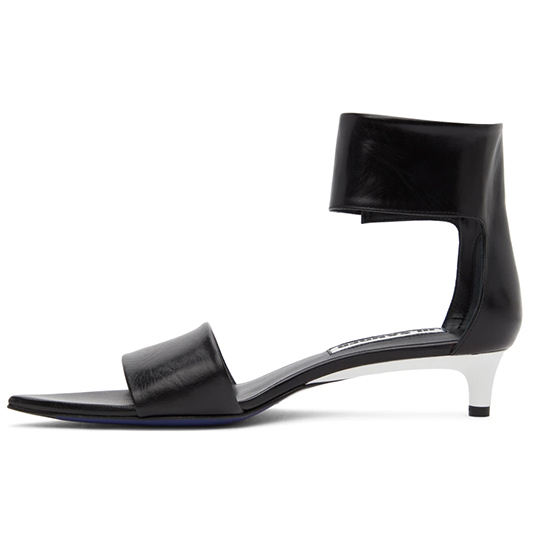
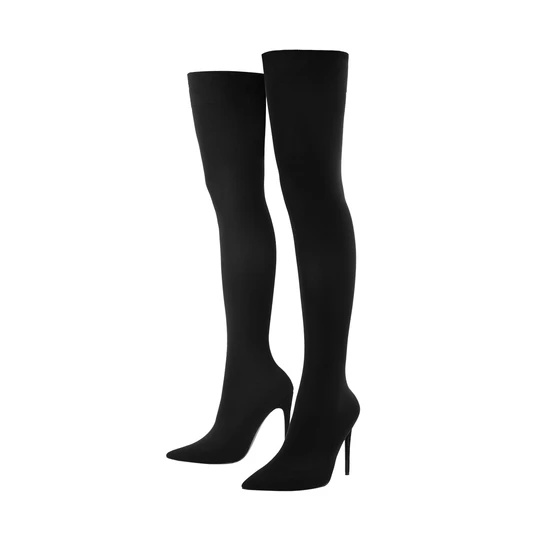

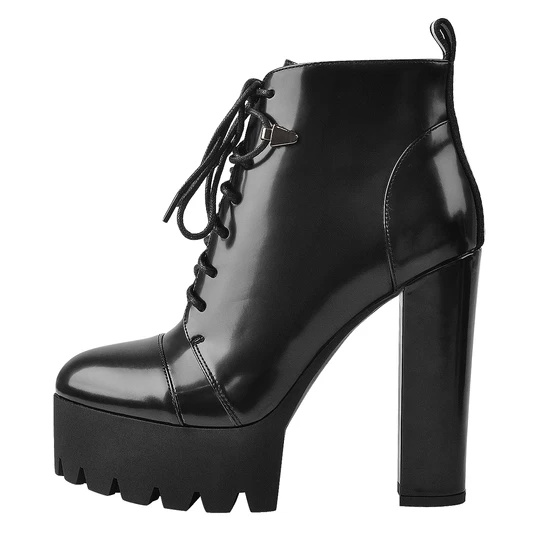
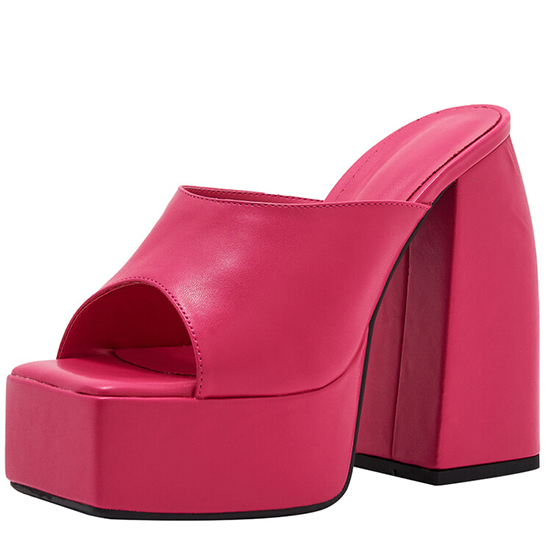

- Related Blog
- Reviews
- Reviews
