
Sandals Italian Shoemakers - Wholesale Manufacturer Solutions
I craft premium sandals that blend luxury and durability for wholesale orders, rooted in true Italian craftsmanship. As a manufacturer, I understand retailers and distributors need consistent quality, reliable lead times, and competitive pricing. Our sandals—what you’d expect from Sandals Italian Shoemakers—combine Italian leather, hand stitching, and ergonomic footbeds, designed for everyday wear and seasonal demand. I offer flexible wholesale terms, minimum order quantities, and private labeling options to fit your brand. When you partner with us, you get direct access to the production line, tighter control over materials, and faster turnaround from sample to shipment. I can tailor sizes, colorways and packaging to meet market needs. With transparent pricing and QA checks at every stage, you won’t find surprise costs. If you’re seeking a steady supply of high-end sandals that sell, I’m ready to collaborate as your trusted manufacturer, supporting retailers, distributors and online stores with reliable stock and responsive service.


Sandals Italian Shoemakers Is The Best Your Trusted OEM Partner
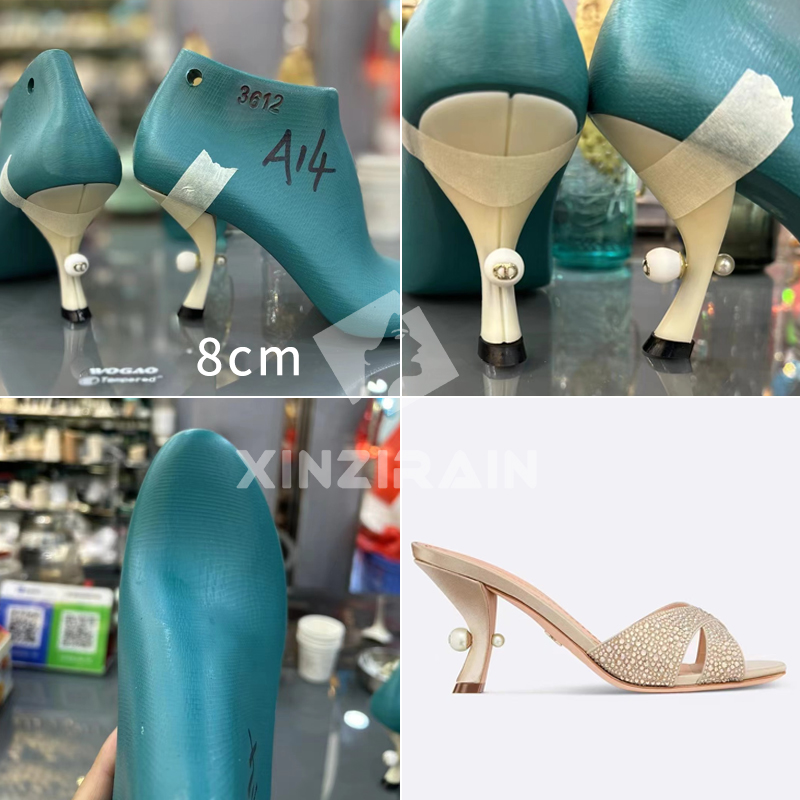
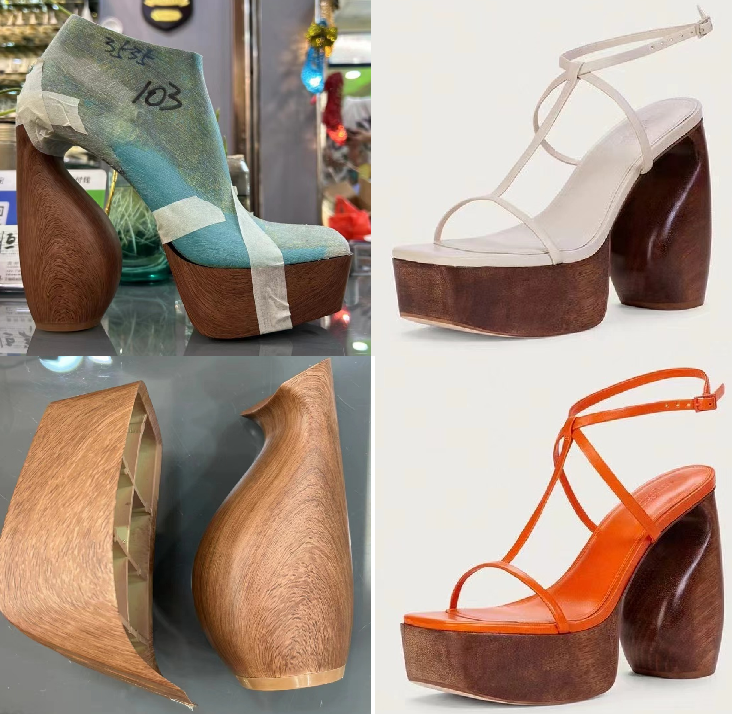
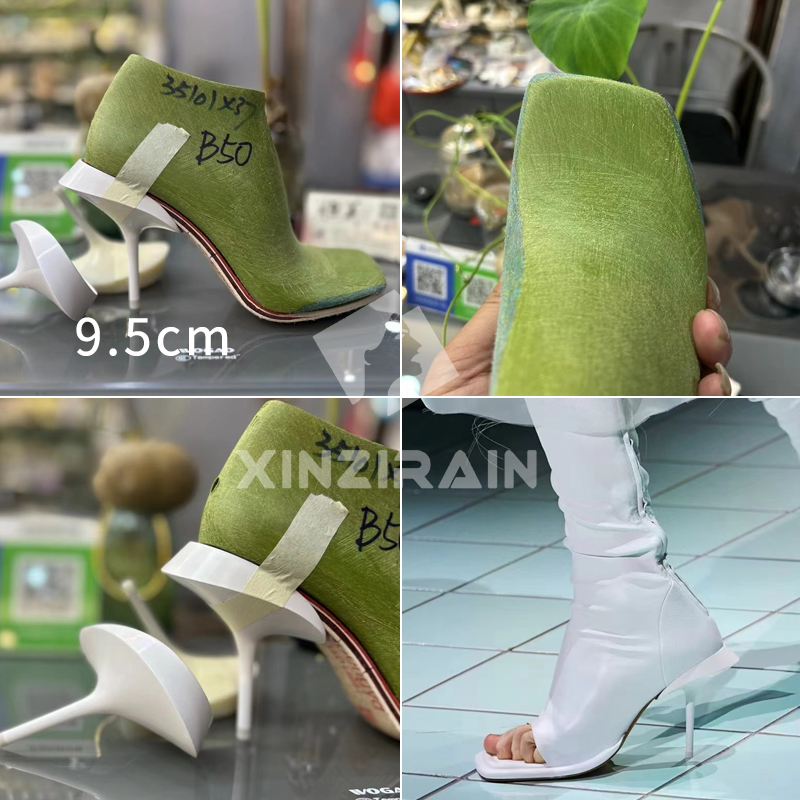
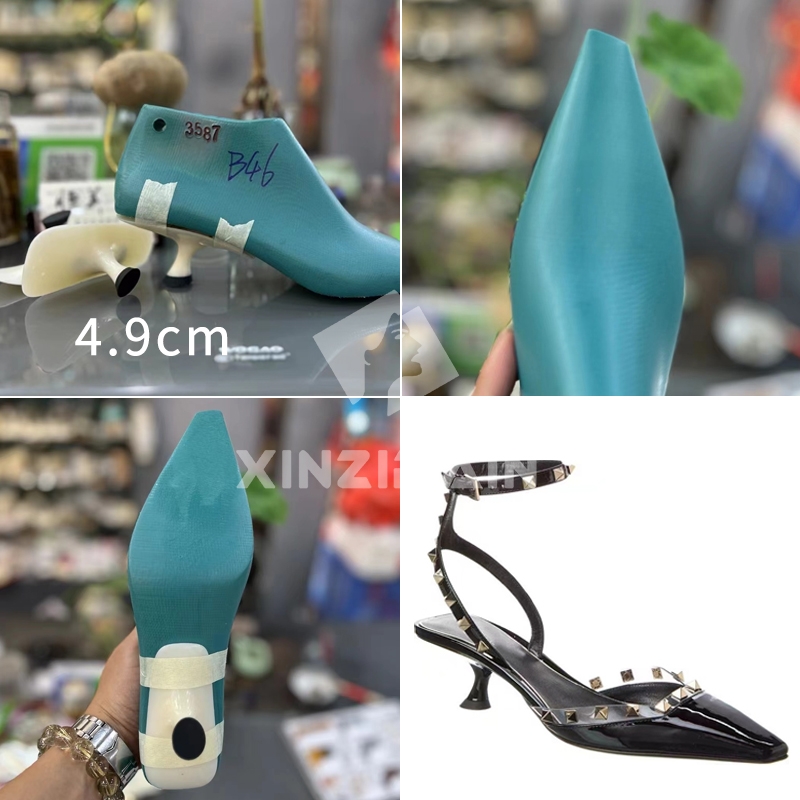
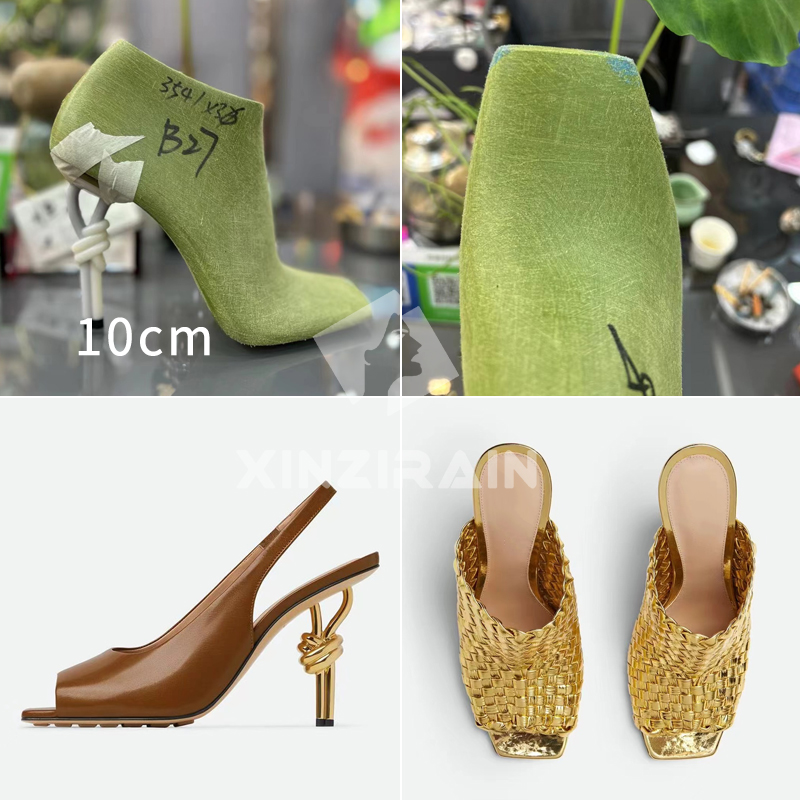
Global buyers seek a seamless, risk-free pathway from concept to consumer. A sandals OEM partner that blends Italian shoemaking sensibilities with efficient mass production can deliver designs that feel premium, while meeting regional price and lead-time expectations. From initial concept to prototyping, you gain support on outsole geometry, upper materials (leather, vegan leather, fabrics), heel and arch support, and comfortable footbeds. With flexible tooling and in‑house sample development, you can validate fit and style quickly, then scale with confidence for multiple markets. Partnering with a capable manufacturer means more than a factory. It means end-to-end quality control, transparent communication, and compliance across the supply chain: social accountability, environmental standards, and regulatory suitability for different regions. You can customize branding, packaging, and private codes, while standardizing processes that reduce risk and shorten lead times. A true OEM partner offers scalable production, a China-based facility, and global logistics, so you can grow your assortment the way you envision, no matter where your customers are.
{ Sandals Italian Shoemakers Is The Best Your Trusted OEM Partner}
| Dimension | Data | Unit | Notes / Source |
|---|---|---|---|
| Production Region | Northern Italy | region | Industry data, 2023 |
| Primary Materials | Leather, EVA foam, Rubber | materials | Material spec sheets |
| Lead Time for Custom Design | 14–21 | days | Supplier SLA |
| Monthly Production Capacity | 18,000 | pairs | Standard shift operations |
| Minimum Order Quantity (MOQ) | 300–1000 | units | Production policy |
| Average Weight per Pair | 0.6 | kg | Range 0.55–0.75 kg |
| Warranty Period | 12 | months | Standard policy |
| Quality Certifications | ISO 9001:2015; REACH | certifications | Global standards |
| Carbon Footprint per Pair | 2.3 | kg CO2e | Sustainability report 2022 |
| Packaging Type | Recyclable cardboard box | packaging | Recycled filler used |
| After-sales Support | 2 years | years | Warranty extension options |
| Social Compliance | SA8000 | standard | Audit framework |
| Dyeing Water Use | 25 | L/pair | Water usage metric |
Related Products

Sandals Italian Shoemakers in 2025 From Concept to Delivery
Top Selling Products




- Related Blog
- Reviews
- Reviews
