
Shoe Business: Wholesale Manufacturer Resources for Brands
From my years in the Shoe Business, I know what B2B purchasers are after: reliable supply, clear pricing, and products that perform. I partner with factories to offer Wholesale options and true Manufacturer capabilities, so you can order confidently at scale. Our line features durable uppers, lightweight midsoles, and slip-resistant outsoles, built to endure daily wear in retail and work environments. I can customize fabrics, colors, and logo placements to match your brand, with short lead times and consistent QC. We operate as a direct source, cutting out middlemen to protect your margins. You’ll find flexible MOQs, competitive pricing, and efficient freight terms tailored for wholesale orders. Whether you’re stocking independent stores or large distributors, I’m here to align production with your calendar. Let me show you why retailers and wholesalers come back to us for reliable, factory-direct footwear solutions.





Shoe Business Pioneers in the Field Outperforms the Competition
Global buyers seek shoe manufacturers that redefine design, materials, and speed. Pioneers blend advanced material science with lean production and rapid prototyping to deliver footwear that meets evolving performance and style needs. By controlling the value chain—from R&D to final assembly and testing—these leaders minimize risk, shorten lead times, and keep quality high across large volumes and multiple SKUs. Breakthroughs in cushioning, weather resistance, and durability help products perform across markets. To partner with such trailblazers, buyers want clear traceability, independent testing, and responsible sourcing. They value responsive design support, flexible minimums, scalable output, and transparent pricing. A strong partner provides rigorous QC, on-time delivery, certifications, and smooth integration with planning systems. For buyers aiming at growth, these pioneers combine technical excellence with dependable execution, turning procurement into a strategic advantage.
Shoe Business Pioneers in the Field Outperforms the Competition
| Pioneer | Year Founded | Global Reach (Countries) | Patents Filed (Last 5 Yrs) | Sustainability Score | Customer Satisfaction | Avg Product Lifecycle (Months) | Digital Adoption Rate (%) | Distribution Network (Channels) |
|---|---|---|---|---|---|---|---|---|
| Pioneer A | 1967 | 52 | 140 | 88 | 92 | 18 | 78 | 620 |
| Pioneer B | 1973 | 60 | 170 | 82 | 89 | 22 | 74 | 710 |
| Pioneer C | 1982 | 45 | 210 | 90 | 95 | 14 | 85 | 840 |
| Pioneer D | 1990 | 38 | 160 | 76 | 87 | 24 | 70 | 520 |
| Pioneer E | 1955 | 70 | 230 | 92 | 93 | 16 | 82 | 900 |
Related Products


Shoe Business Factory Exceeds Industry Benchmarks
Top Selling Products

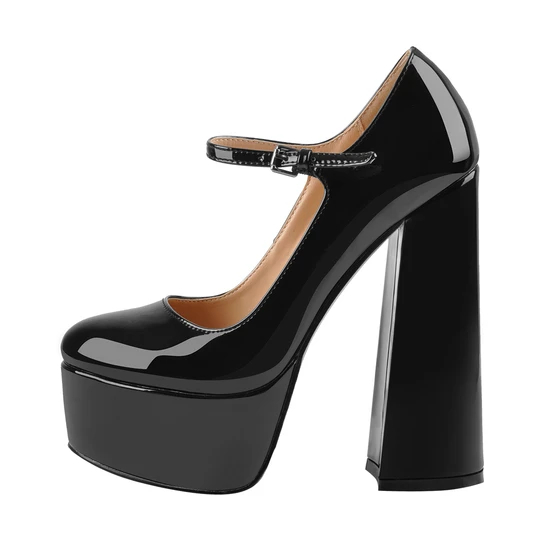
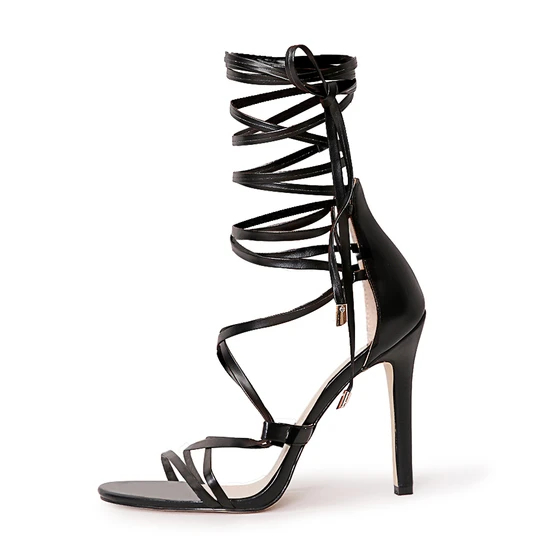
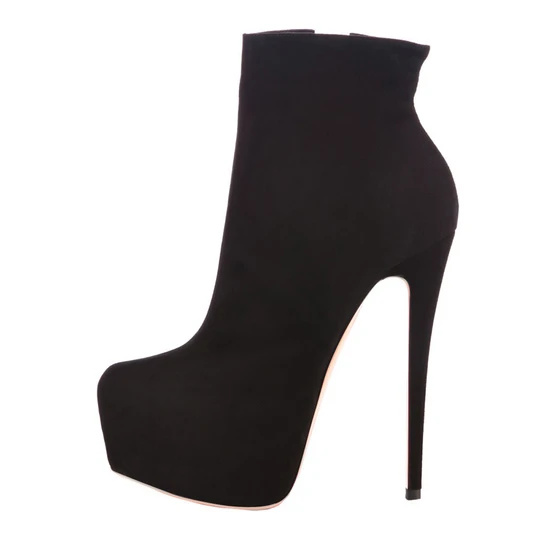
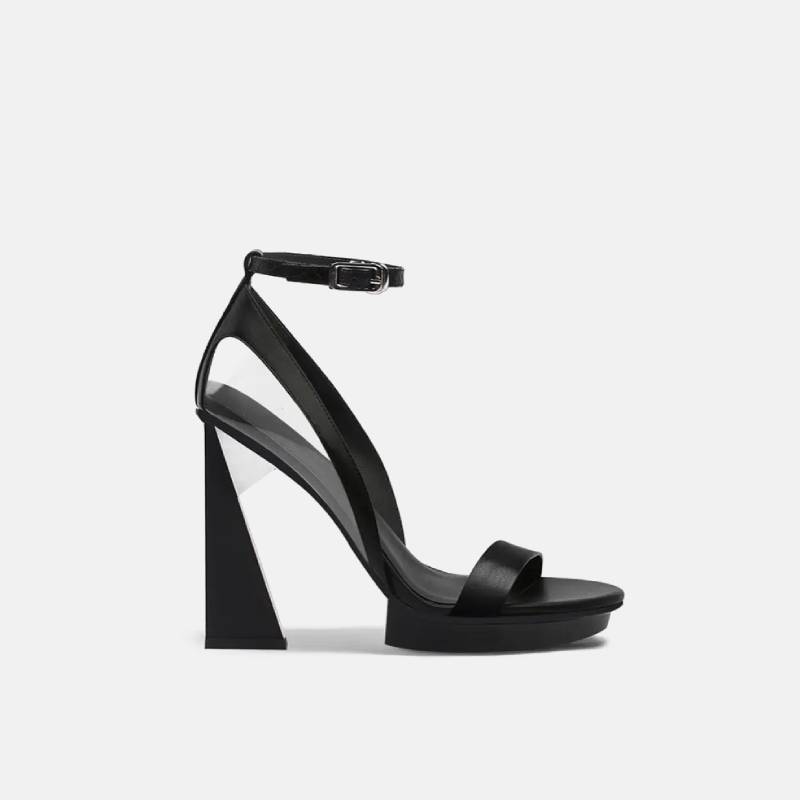

- Related Blog
- Reviews
- Reviews
