
Snow Boots Manufacturers Wholesale - Trusted Footwear Manufacturer
We are Snow Boots Manufacturers dedicated to delivering rugged, comfortable winter footwear for wholesale partners and distributors. If you’re sourcing high-performance snow boots for outdoor work, our factory is your ideal Manufacturer partner. I oversee our design and quality control, ensuring every pair meets strict durability and warmth standards. We offer flexible Wholesale programs, MOQ-friendly orders, and rapid lead times to keep your shelves full during peak season. Our boots feature waterproof membranes, heat-retention insulation, and slip-resistant outsoles, tested in real winter conditions. We provide detailed specs, size runs, and customization options for branding, packaging, and label placement. From material sourcing to final inspection, I’m hands-on with every shipment, so you get consistent quality and steadier supply. If you’re building a catalog for retailers, contact me about bulk pricing, private-label possibilities, and reliable on-time deliveries. Let’s grow together with a trusted Snow Boots Manufacturers partner.


Snow Boots Manufacturers For the Current Year Where Service Meets Innovation
Snow boots manufacturing is evolving into end-to-end solutions that blend material science with service. Buyers now expect warmth, traction, waterproofing, and light weight that lasts. Leading makers refine insulation, seam-sealed uppers, and grippy outsoles for icy conditions. The edge goes to partners offering rapid prototyping, quick sampling, and clear cross-time-zone communication. Global buyers should judge suppliers beyond price. Seek strong R&D, sustainable materials, and traceable supply chains. Clarify lead times, MOQs, and private-label options. A partner with robust QA, factory audits, and reliable after-sales support keeps brands confident through seasonal shifts.
| Region | Location Type | Years in Operation | Factory Size (sqm) | Production Capacity (thousand pairs/year) | Certifications | After-Sales/Service Innovation (0-5) | Lead Time (days) | Customization Capability | R&D Investment (% of revenue) |
|---|---|---|---|---|---|---|---|---|---|
| East Asia (China) | Industrial Park | 28 | 180000 | 900 | ISO 9001, ISO 14001, BSCI | 4.2 | 28 | Full | 2.1 |
| Southeast Asia (Vietnam) | Export-focused facility | 18 | 75000 | 520 | ISO 9001, SEDEX | 3.8 | 35 | Partial | 1.6 |
| South Asia (India) | Industrial Hub | 15 | 52000 | 320 | ISO 9001, ISO 14001 | 3.5 | 40 | Partial | 1.2 |
| Europe (Portugal) | Coastal facility | 22 | 40000 | 260 | ISO 9001, ISO 14001 | 4.0 | 25 | Full | 2.3 |
| Europe (Poland) | Industrial Park | 18 | 35000 | 210 | ISO 9001, ISO 14001 | 3.9 | 30 | Partial | 1.8 |
| North America (USA) | Regional manufacturing hub | 12 | 30000 | 180 | ISO 9001 | 4.1 | 32 | Full | 2.0 |
| Latin America (Brazil) | Industrial campus | 8 | 20000 | 130 | ISO 9001 | 3.4 | 45 | Standard | 0.9 |
| Oceania (Australia) | Domestic assembly | 10 | 15000 | 95 | ISO 9001 | 3.6 | 38 | Partial | 1.1 |
Related Products
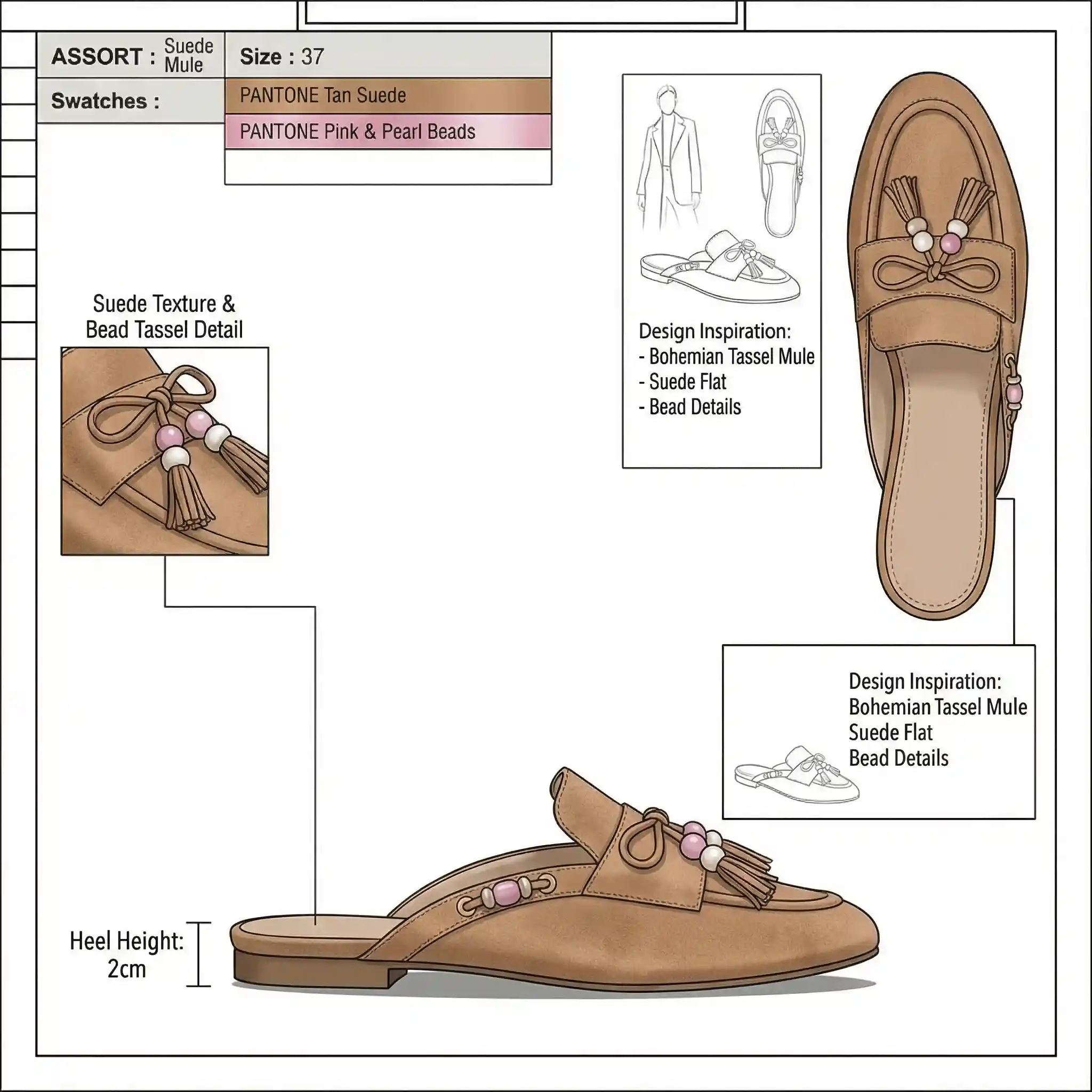
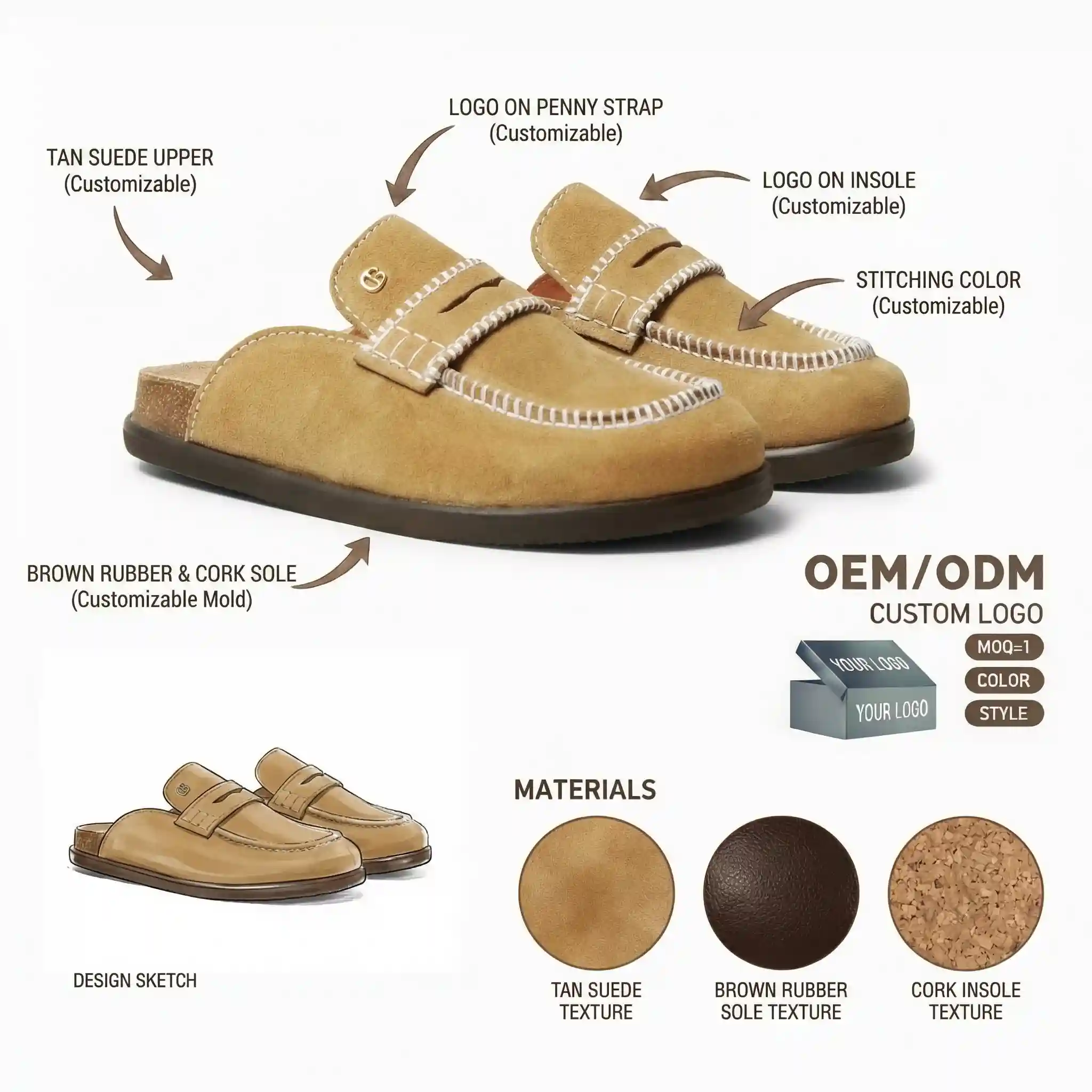


Snow Boots Manufacturers Supplier Factory
Top Selling Products





- Related Blog
- Reviews
- Reviews
