
Sustainable Custom Shoe Production for Wholesale and Manufacturer Partners
We craft every step of Sustainable Custom Shoe Production with a mindset for wholesale scale and factory accuracy. I’m your dedicated Manufacturer partner, ready to adapt designs, materials, and finishes to your brand. From concept to production, I offer prototyping, material audits, and seamless mass runs that keep lead times predictable. As a Wholesale partner, you’ll enjoy transparent MOQ options, competitive pricing, and a supply chain that traces every stitch back to responsible sources. I keep you in control with sample approvals, dimensional specs, and real-time updates so your customers get consistent fit and durability. Our sustainable choices — recycled uppers, water-based adhesives, minimal waste tooling — align with modern sustainability goals without slowing you down. Let me help you differentiate in the market with Sustainable Custom Shoe Production you can trust, backed by reliable Manufacturer service and wholesale flexibility.






Sustainable Custom Shoe Production Factory Delivers Unmatched Quality
As a sustainable custom shoe producer, the factory blends responsible material choices with rigorous process controls to consistently deliver market-ready quality. From design collaboration and material sourcing to cutting, stitching, and packaging, every step is optimized for efficiency and traceability. Eco-friendly practices span leather alternatives, recycled components, water-based adhesives, energy monitoring, and waste reduction through modular components designed for repair or recycling. Strong supplier audits and adherence to international standards build confidence for buyers seeking transparent, ethical production. Global buyers gain tangible benefits: flexible MOQs, scalable capacity, and rapid prototyping that shorten time-to-market without sacrificing sustainability. Precise color matching, durable construction, and rigorous testing ensure consistency batch to batch across regions. Real-time order tracking and digital collaboration streamline design feedback and logistics, reducing risk and ensuring reliable delivery in complex supply chains.
| Dimension | Description | Unit | Value |
|---|---|---|---|
| Throughput | Monthly production capacity for final product units | pairs/month | 28,000 |
| Defect rate | Percentage of defective units in final quality check | % | 2.1 |
| Rework rate | Percentage of units requiring rework after initial inspection | % | 3.4 |
| Leather material share | Proportion of leather in total material mix | % | 65 |
| Synthetic materials share | Proportion of synthetic materials in total material mix | % | 25 |
| Other materials share | Proportion of other materials in total material mix | % | 10 |
| Energy consumption per pair | Electrical energy used per finished pair | kWh/pair | 0.75 |
| Water usage per pair | Water consumed per finished pair | L/pair | 5.2 |
| Carbon footprint per pair | Total greenhouse gas emissions per finished pair | kg CO2e/pair | 6.0 |
| Lead time | Time from order to dispatch | days | 7 |
| Labor productivity | Pairs produced per worker per day | pairs/worker/day | 0.85 |
| Waste diversion rate | Share of waste recycled or repurposed | % | 88 |
| Recycled content | Percentage of recycled materials in components | % | 60 |
| Longevity test score | Durability score from accelerated aging tests | points | 92 |
| Customer satisfaction score | Overall customer feedback score | points | 89 |
Related Products


Sustainable Custom Shoe Production Guarantees Peak Performance Winning in 2025
Top Selling Products


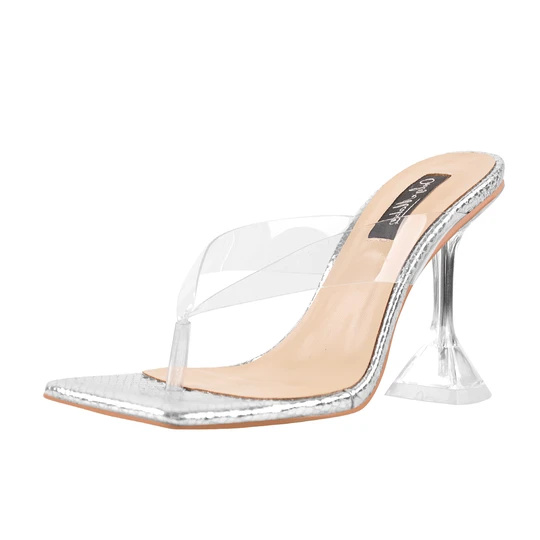
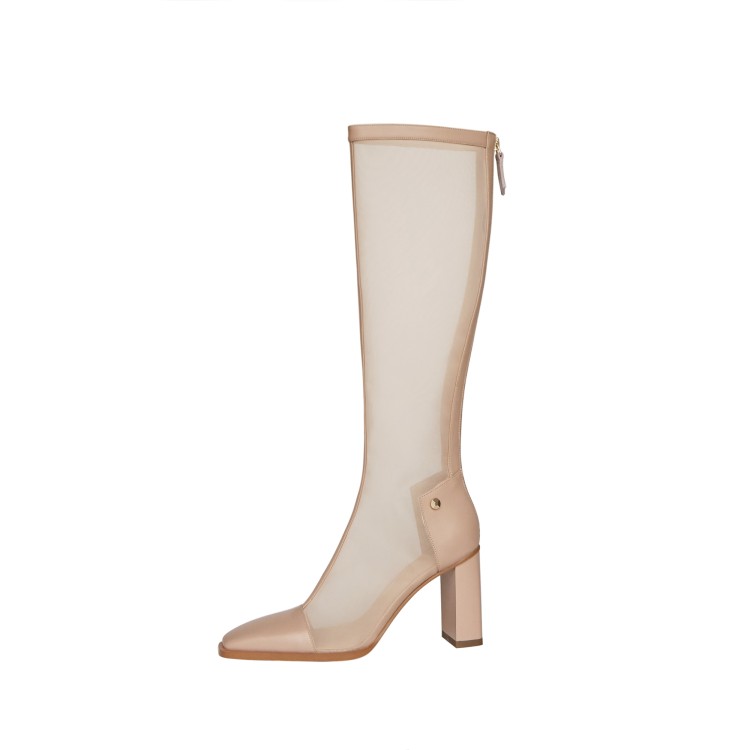
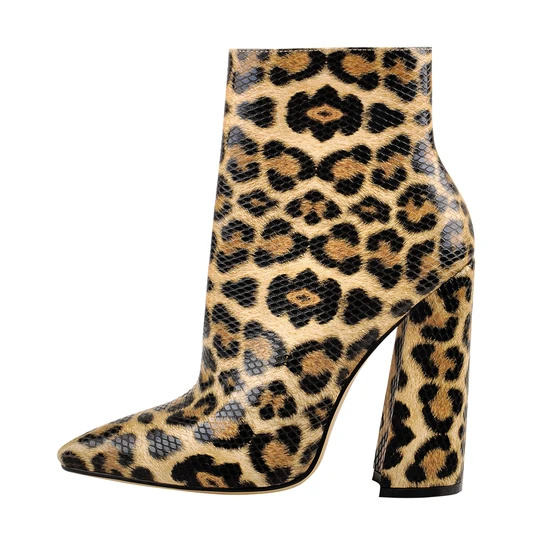

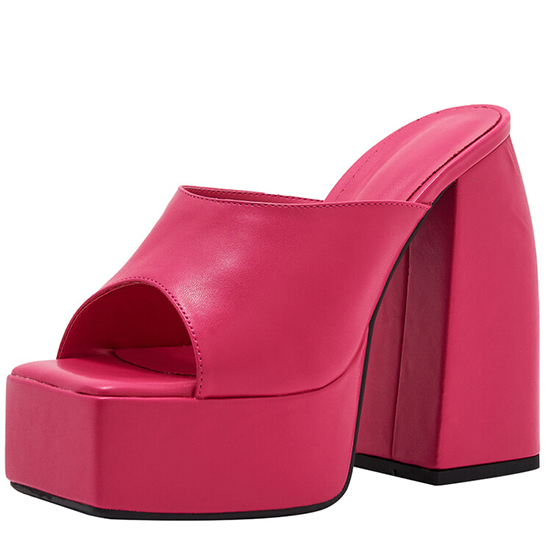
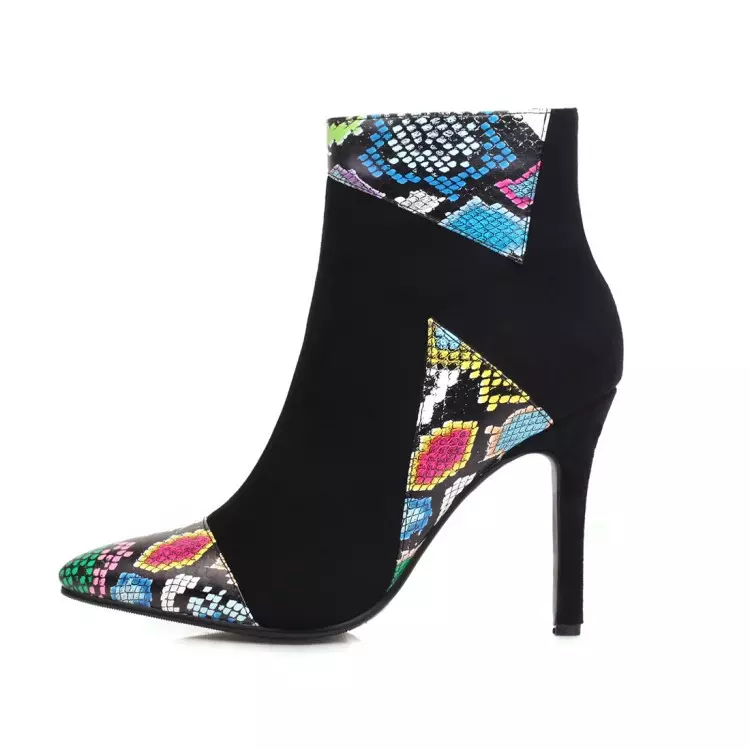

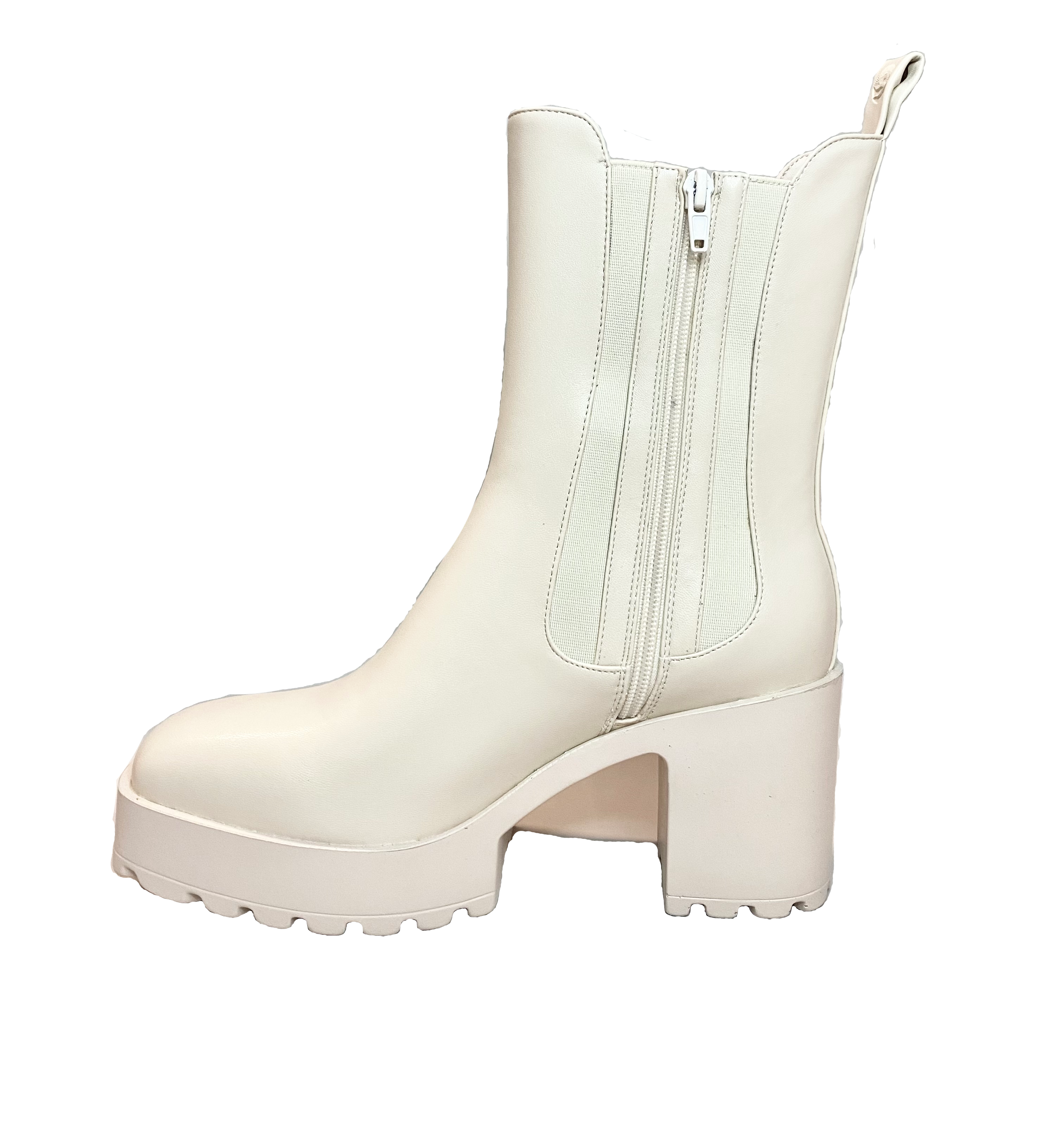
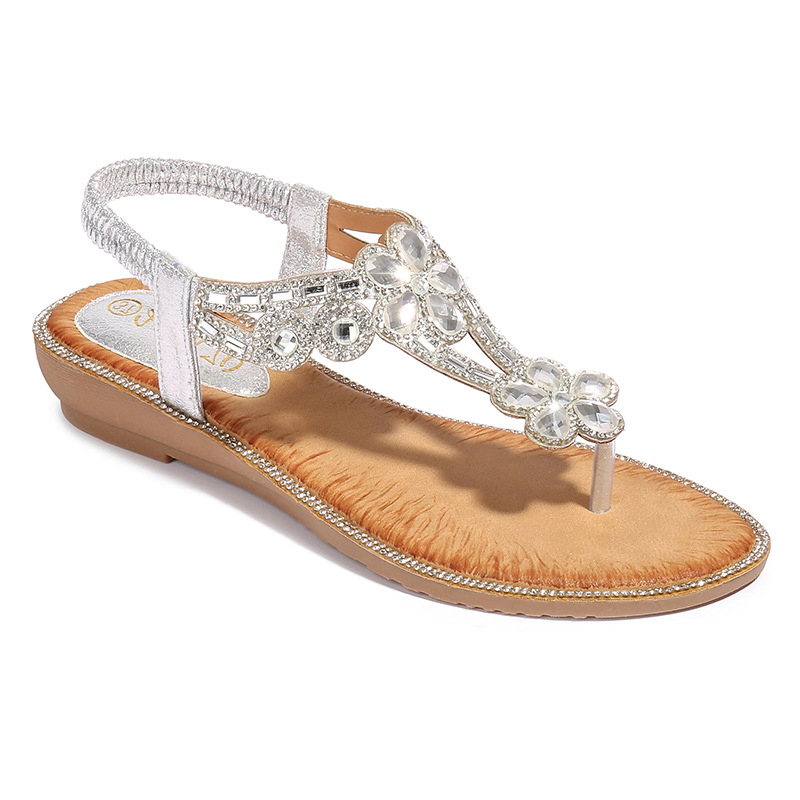
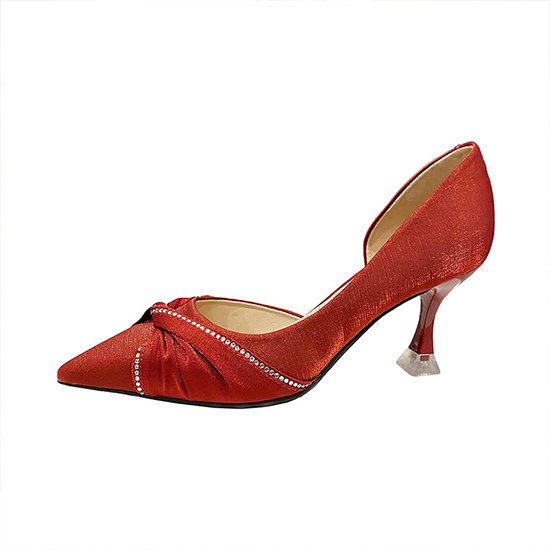
- Related Blog
- Reviews
- Reviews
