
High-End Tote Bags Wholesale from a Reliable Manufacturer
We design and manufacture High-End Tote Bags that blend timeless style with everyday practicality. As a direct Manufacturer, we cut out the middleman so you can secure premium stock at competitive Wholesale prices. Our totes feature meticulous stitching, high-grade hardware, and durable materials—think full-grain leather, water-resistant canvas, and recyclable linings—built to endure daily use in boutiques and online stores alike. We offer flexible customization options: colorways, logo placement, bag sizes, and packaging to fit your brand story. Minimum order quantity is friendly for growing businesses, with sample programs and fast lead times. With our in-house quality control, you’ll receive consistent product specs and reliable delivery. Partner with us to scale your assortment, improve margins, and present customers with luxury that performs. If you’re seeking a dependable Wholesale partner who can act as your direct Manufacturer, let’s talk about your next season’s tote bag line.


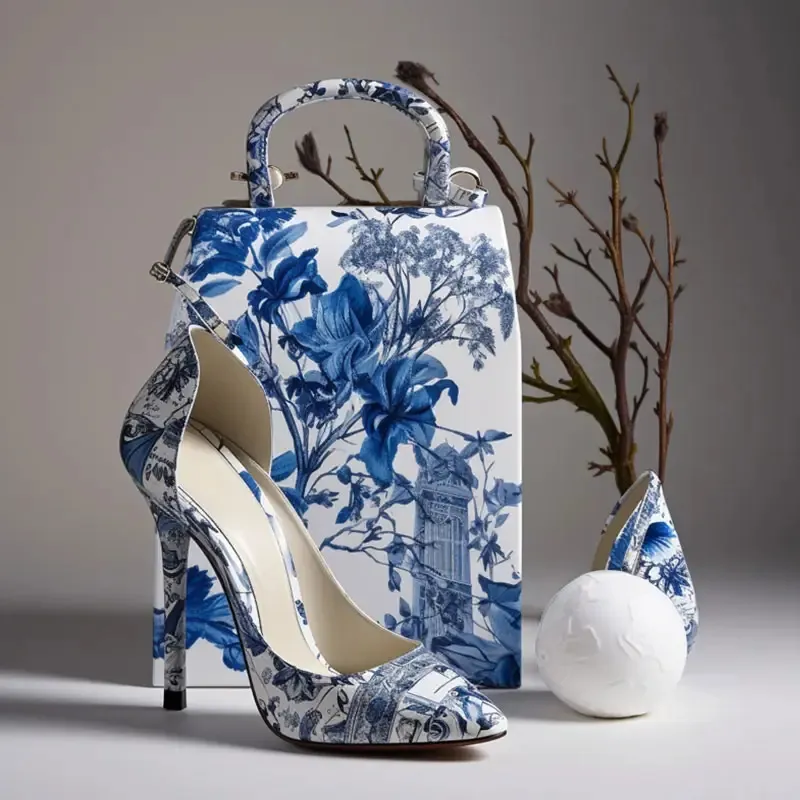
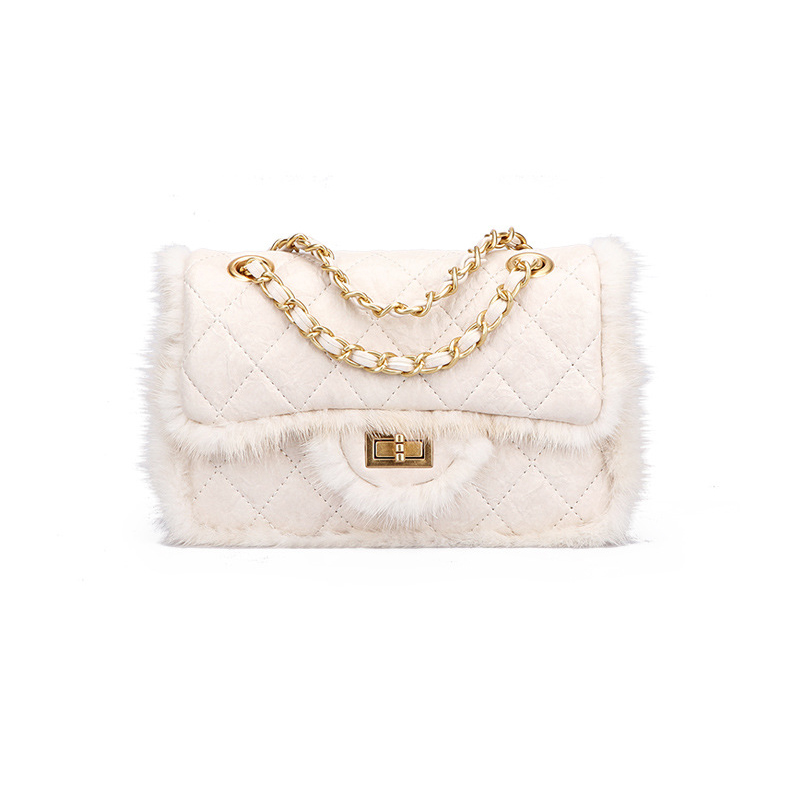
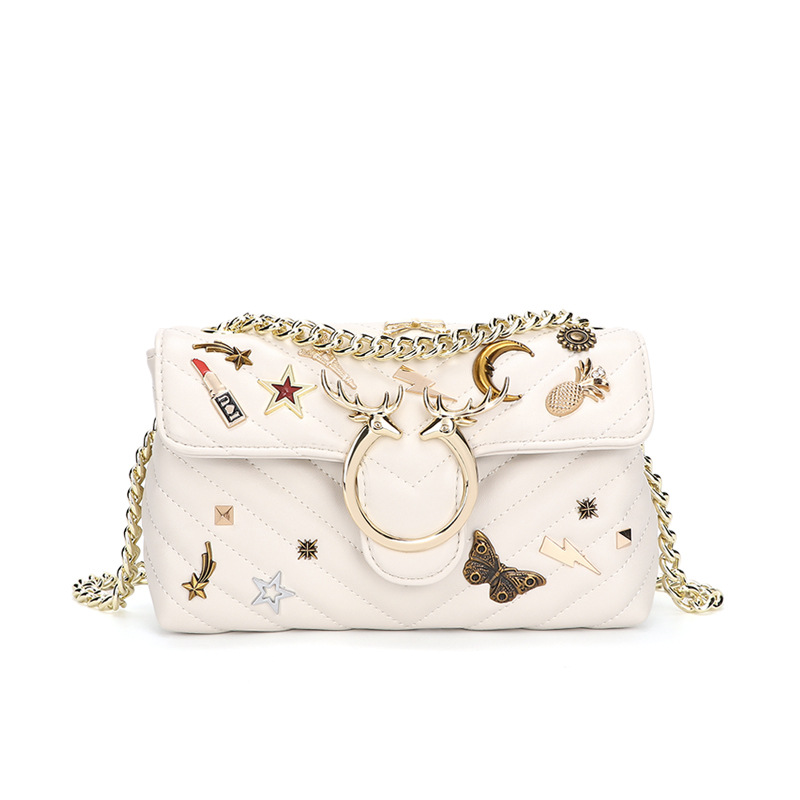
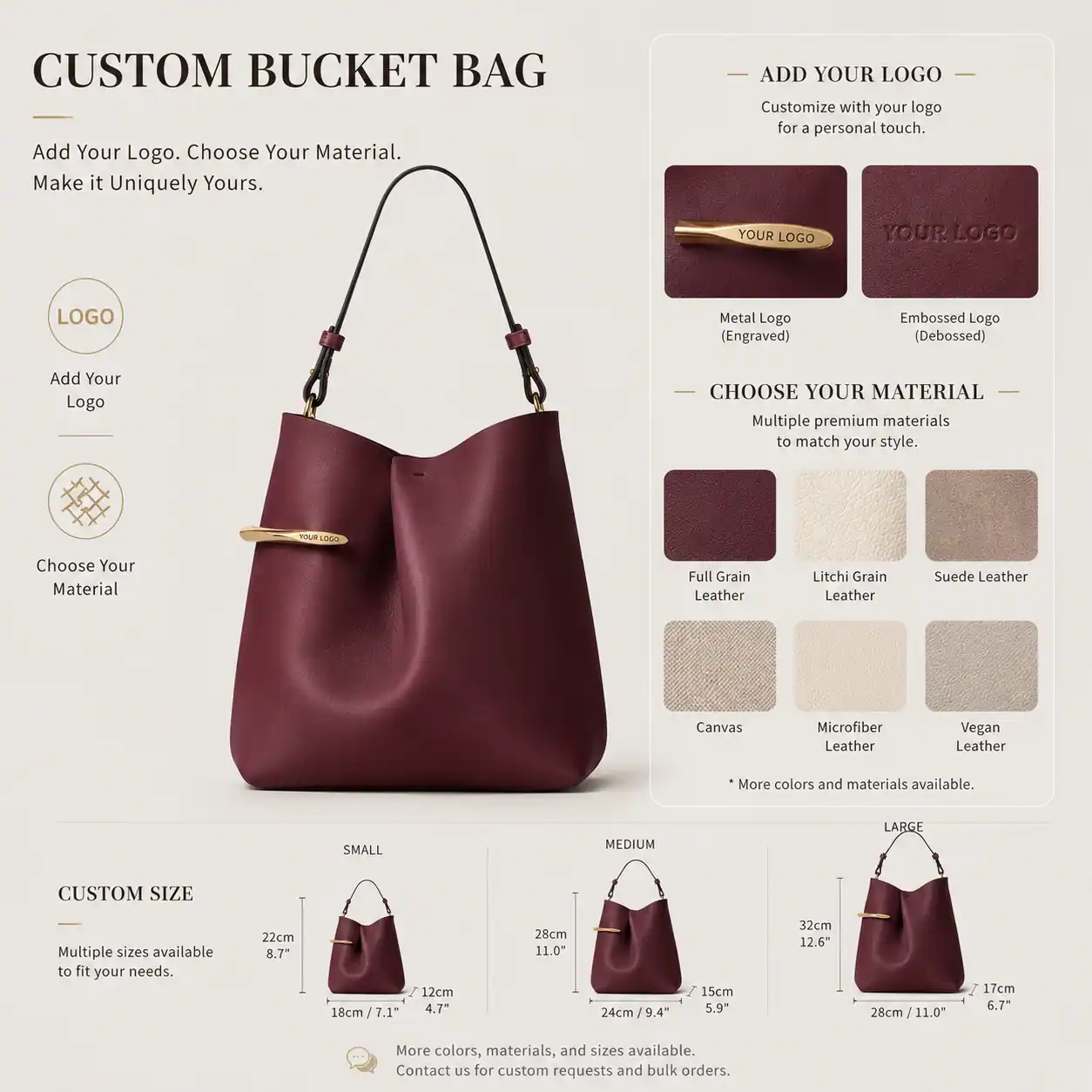
High-End Tote Bags Manufacturer Pioneers in the Field
Standing at the forefront of luxury tote production, this pioneering manufacturer blends craftsmanship with scalable engineering. An in-house team of designers, material specialists, and sewers delivers durable, timeless bags. We select premium leathers, recycled fabrics, and water-based finishes, applying precise stitching, clean edges, and robust hardware. A rigorous QA system covers prototyping through mass production and aligns with international standards for safety, traceability, and ethical sourcing. Global buyers can partner via ODM or OEM, with flexible MOQs, rapid prototyping, and transparent timelines. Chengdu-based facility combines skilled artisans with modern automation to deliver consistent quality and shorter lead times. We emphasize sustainable choices, reliable supply, and a clear path from concept to market for premium retailers and online brands seeking standout totes.
| Dimension | Metric | Value | Unit | Notes |
|---|---|---|---|---|
| Production Capacity | Annual Production Capacity | 120000 | units/year | Across totes and related accessories |
| Materials Used | Primary Materials | Vegetable-tanned Leather; Recycled Polyester; Organic Cotton | - | Balanced mix prioritizing sustainability and durability |
| Materials Mix | Mix by Weight | 40% Leather, 35% Recycled Polyester, 25% Organic Cotton | percent by weight | Estimated distribution across main tote lines |
| Certifications | Standards Compliance | ISO 9001; ISO 14001; SEDEX | - | Quality management and sustainability standards |
| Lead Time | Average Lead Time | 18 | days | After order confirmation |
| Delivery Performance | On-Time Delivery Rate | 96 | % | Last 12 months |
| Quality Metrics | Product Defect Rate | 0.8 | % | Overall manufacturing |
| Order Size | Average Order Size | 650 | units per order | Global shipments |
| Energy Intensity | Energy Usage | 2.5 | kWh/bag | Production energy intensity |
| Carbon Footprint | CO2e per Bag | 0.9 | kg CO2e | Estimated per-bag footprint including packaging |
| Water Footprint | Water Usage | 12 | L/bag | Process water footprint |
| Market Reach | Regional Coverage | North America; Europe; APAC | - | Global distribution network |
| R&D Investment | R&D Spending | 3.5 | % | R&D spend as a share of revenue |
| Facilities | Number of Facilities | 5 | facilities | Domestic and international sites |
| Waste Management | Waste Diversion Rate | 82 | % | Share of waste diverted from landfill |
| Warranty | Warranty Period | 2 | years | For eligible totes |
Related Products


High-End Tote Bags Your Trusted OEM Partner Factory-Direct Excellence
Top Selling Products




- Related Blog
- Reviews
- Reviews
