
How To Customize Shoes: Wholesale Manufacturer Tips
From the first sketch to the final packaging, I help brands and retailers navigate How To Customize Shoes for wholesale needs. As a manufacturer, I offer low MOQs, competitive Wholesale pricing, and fast lead times. You tell me your design, material, and sizing, and I handle the rest—CAD mockups, prototyping, colorways, and quality control. I can do full customization: uppers, midsoles, laces, branding, and even packaging. My team uses durable stitching, eco-friendly materials, and lab-tested insoles to make sure every pair stands up to your market. With direct factory production, you avoid middlemen, and you gain more control over timelines and costs. We provide samples, flexible payment terms, and scalable production for pilot runs or large batches. If you are searching for a reliable Wholesale collaboration with a true Manufacturer partner, I’m here to turn your vision into sellable shoes.




How To Customize Shoes Delivers Unmatched Quality Custom Solutions,
Customization is more than color choices. For global buyers seeking consistent, high-quality footwear, it starts with a precise design brief and ends with a product that performs under conditions. From material selection and last shaping to outsole compounds and stitching density, every decision affects fit, durability, and comfort. A capable supplier translates design intent into production reality by balancing engineering with supply-chain realities—tooling, lead times, and rigorous QA—so samples faithfully reflect mass production while meeting international standards and sustainability goals. Quality is built in through a proven development cycle: collaborative briefs, prototype testing, fit verification, and traceable production. The best partners offer flexible MOQs, scalable volumes, and transparent cost models, plus on-time delivery and post-sales support. They provide performance data from lab tests and field wear, document material origins, and ensure compliance with global safety and environmental criteria. For procurement teams, that means fewer production gaps, faster time to market, and footwear that consistently aligns with brand requirements across regions.
| Dimension | Description | Unit | Benchmark | Q1 2025 | Q2 2025 | Q3 2025 |
|---|---|---|---|---|---|---|
| Material Quality | The grade of materials used in customization, affecting durability and finish. | % | 95 | 92 | 94 | 96 |
| Customization Options Depth | Variety and depth of selectable materials, colors, textures, and patterns. | Options | 12 | 10 | 11 | 13 |
| Fit Precision | Accuracy of the last and pattern mapping to individual foot measurements. | % | 98 | 96 | 97 | 99 |
| Durability | Expected wear resistance and life span under typical usage. | % | 90 | 88 | 89 | 92 |
| Comfort and Support | Cushioning, arch support, and breathability. | % | 93 | 91 | 92 | 95 |
| Lead Time | Time from order placement to delivery. | Days | 7 | 7 | 6 | 6 |
| Production Yield | Percentage of units passing quality checks on first run. | % | 95 | 93 | 94 | 96 |
| Sustainability Score | Environmental impact score across materials and processes. | % | 85 | 84 | 86 | 88 |
Related Products


How To Customize Shoes Supplier Pioneers in the Field
Top Selling Products
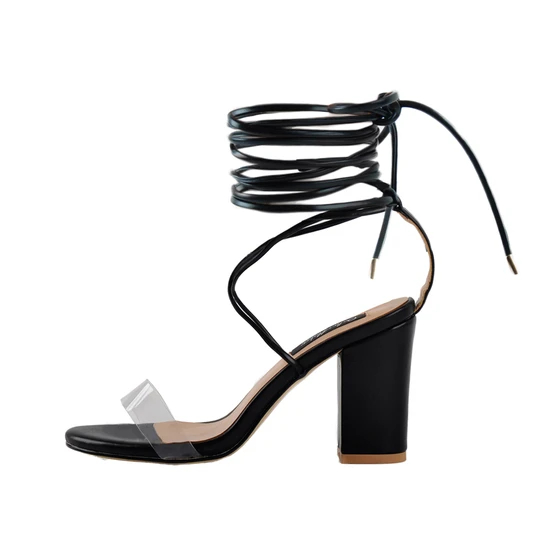
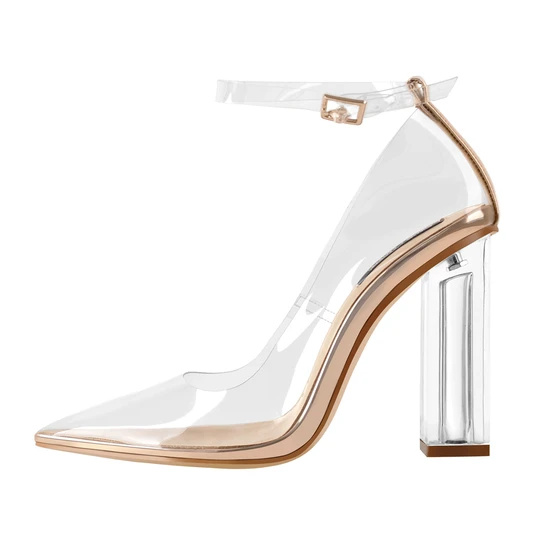


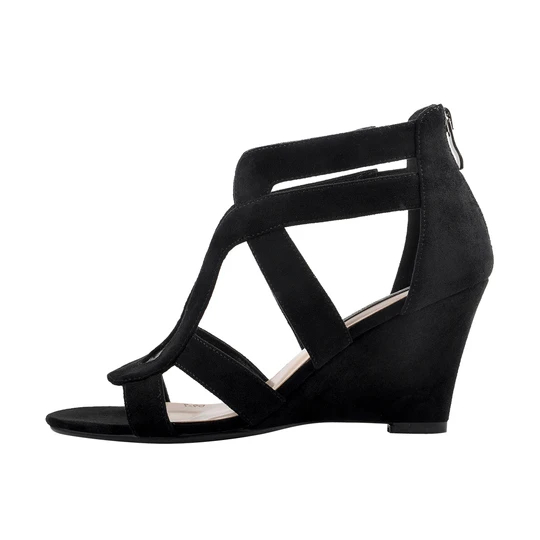

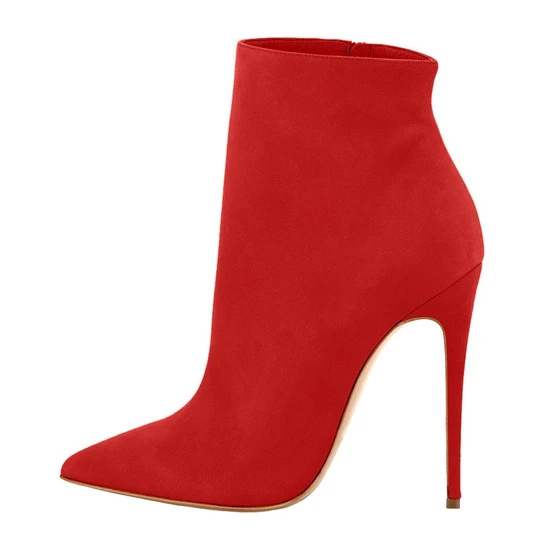

- Related Blog
- Reviews
- Reviews
