
Womens Woven Flats - Wholesale Manufacturer of Quality Footwear
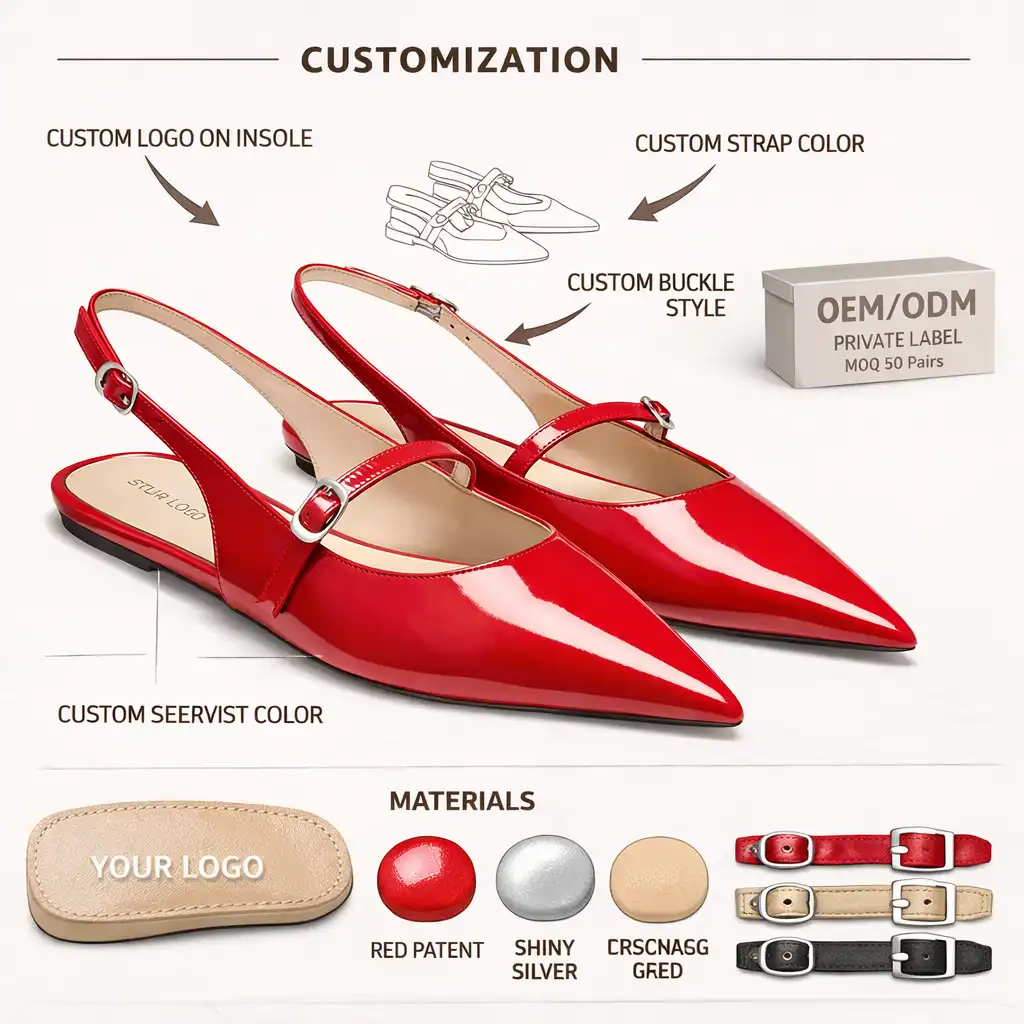
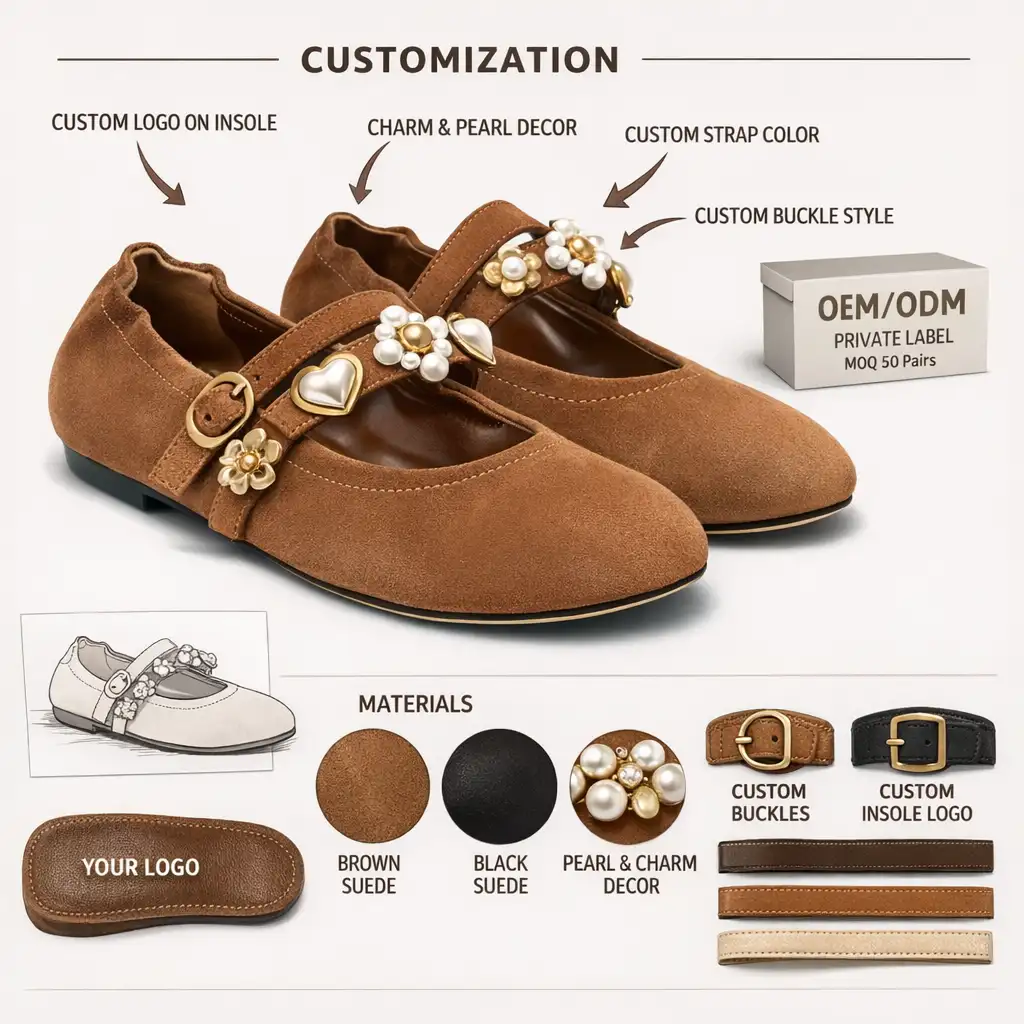
From my warehouse to your shelves, Womens Woven Flats blend lightweight comfort with timeless style, perfect for retailers looking to stock versatile flats. I’m a direct Manufacturer, offering Wholesale pricing, reliable lead times, and scalable production for orders of any size. The upper is a breathable woven fabric that adapts to movement, while a soft padded insole keeps feet comfy from dawn to dusk. A durable outsole gives grip and longevity, and the slip-on silhouette makes refilling stock easy for store staff and customers alike. Available in several neutral and seasonal colors, with customization options for branding, insoles, and packaging. I can accommodate mixed sizes and quick reorders, with sample availability for evaluation. If you want a dependable, fashion-forward solution for your catalog, reach out—let’s discuss MOQ, lead time, and Wholesale terms. I’d love to partner with you as your go-to Manufacturer for Womens Woven Flats.
Womens Woven Flats Supplier Winning in 2025
Winning in 2025 for womens woven flats relies on end-to-end capability—from fiber selection and weaving to finishing and packaging. A leading factory in a major footwear hub has optimized automated weaving and pre-molded soles to deliver breathable uppers, flexible yet durable outsoles, and precise sizing. By combining sustainable materials with efficient production, they offer versatile silhouettes for work, travel, and casual wear at competitive costs. Retail partners value consistent color stories, reliable delivery, and the ability to scale collections quickly as trends shift. When evaluating global partners for 2025, buyers seek transparent quality control, traceability, and social compliance. A top supplier provides in-house testing labs, documented QC checkpoints, and clear lead times. They offer flexible MOQs, rapid sampling, and ODM/OEM options to minimize time-to-market. Strong project management, proactive communication, and risk mitigation reduce delays across geographies. With sustainable packaging and a commitment to responsibility, this partner supports a resilient, on-time supply chain that meets evolving regional requirements and price expectations.
| Supplier | Region | Country | Factory Type | Year Established | Lead Time (days) | Minimum Order | Monthly Capacity (pairs) | On-Time Delivery % | Quality Score | Materials Mix | Woven Pattern | Certifications | Sustainability Score | Last Audit Date |
|---|---|---|---|---|---|---|---|---|---|---|---|---|---|---|
| S1 | Asia-Pacific | Vietnam | ODM+OEM | 2010 | 28 | 500 | 35000 | 97% | 92 | Polyester 40%, Cotton 35%, Elastane 15%, Other 10% | Basketweave | ISO 9001; BSCI | 83 | 2024-11-03 |
| S2 | Europe | Portugal | In-house | 2015 | 30 | 400 | 42000 | 98% | 95 | Polyester 50%, Cotton 20%, Elastane 30% | Plain weave | ISO 9001; OEKO-TEX | 90 | 2025-04-12 |
| S3 | Asia-Pacific | India | ODM | 2008 | 40 | 600 | 52000 | 93% | 88 | Cotton 60%, Polyester 25%, Elastane 10%, Other 5% | Herringbone | ISO 9001; BSCI | 75 | 2023-09-01 |
| S4 | Americas | Mexico | In-house | 2012 | 22 | 300 | 31000 | 99% | 90 | Recycled Polyester 45%, Cotton 40%, Elastane 15% | Twill | ISO 14001; ISO 9001 | 88 | 2024-07-18 |
| S5 | Asia-Pacific | Bangladesh | ODM | 2016 | 18 | 500 | 28000 | 94% | 86 | Polyester 55%, Cotton 25%, Elastane 20% | Plain weave | ISO 9001 | 70 | 2024-02-20 |
| S6 | Europe | Spain | ODM | 2009 | 25 | 350 | 39000 | 96% | 93 | Polyester 40%, Cotton 40%, Elastane 20% | Canvas | ISO 9001; BSCI | 85 | 2025-01-08 |
Related Products
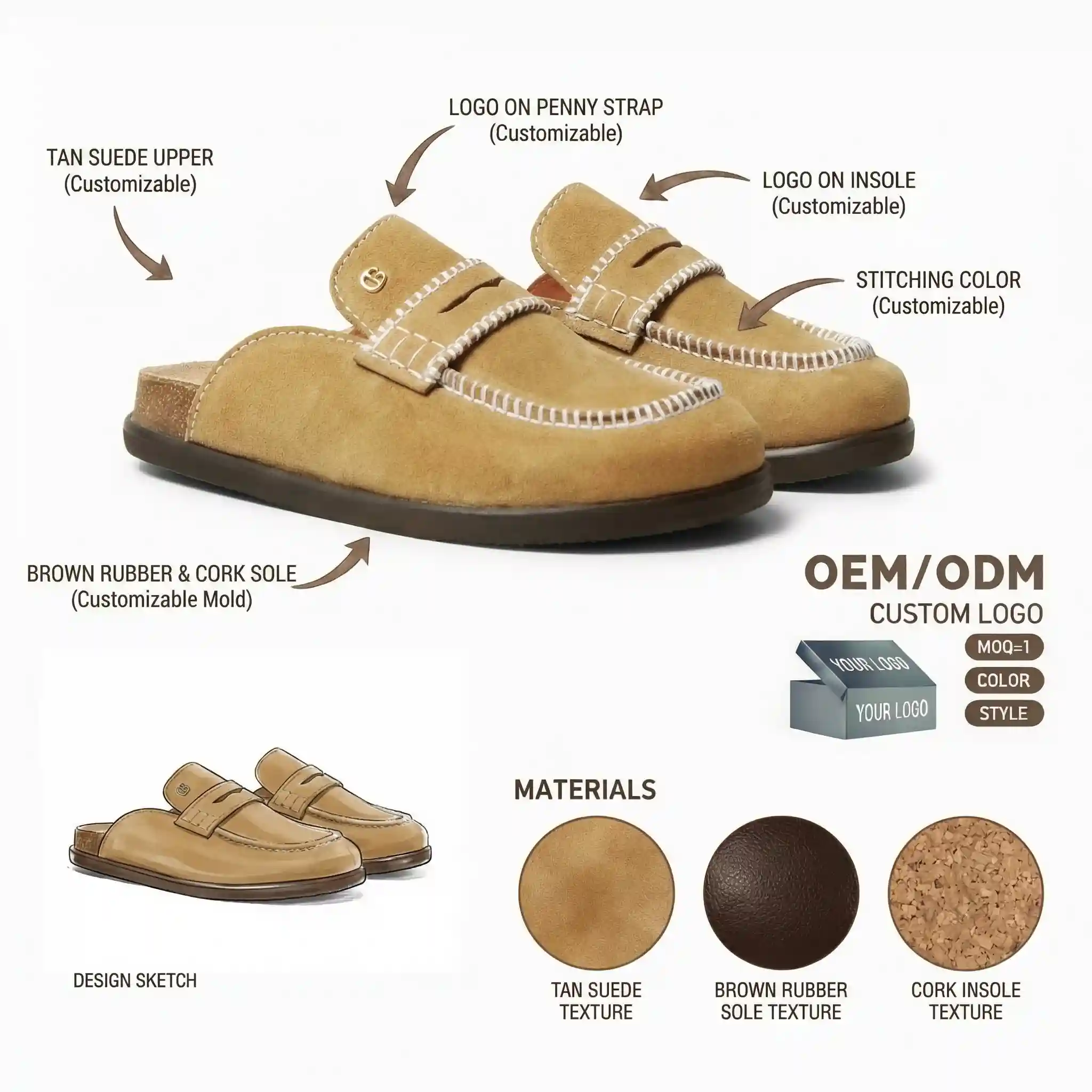


Womens Woven Flats Service More Than a Supplier - A Partner
Top Selling Products


- Related Blog
- Reviews
- Reviews
