
Private Label Men's Heeled Boots - Wholesale Manufacturer Solutions
I design and supply Private Label Men's Heeled Boots for retailers who want standout value and fast turnarounds. As a trusted Wholesale partner, you gain access to styles that blends edgy silhouette with durable craftsmanship, all produced under my own Manufacturer standards. I offer scalable options: core boots in vegan leather, premium leather, and mixed materials, with heel heights from 2 to 3.5 inches, stitched welt construction, and padded insoles for comfort across long wear. You can customize uppers, lining, hardware, and packaging to match your brand, with minimum orders that meet your market needs. Lead times are transparent, and I provide technical specs, fit guides, and size ramps to reduce returns. My QA includes strict testing for slip resistance, colorfastness, and flex wear. Partnering with me means faster private-label launches, better margins, and consistent quality. If you’re seeking a reliable Manufacturer for Wholesale private-label boots, I’m ready to scale with you.
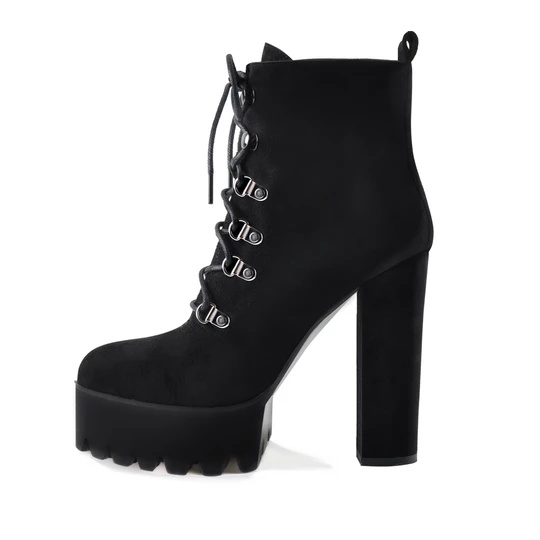
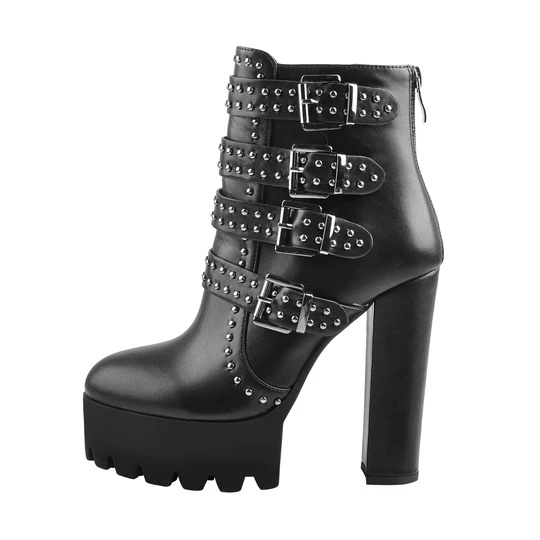
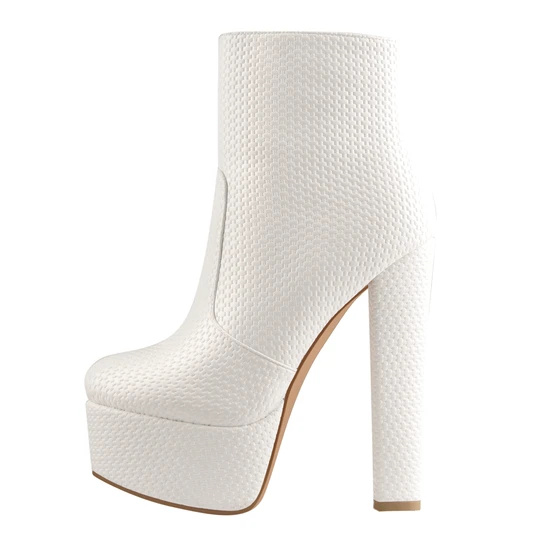


Private Label Men's Heeled Boots Market Leader Now Trending
Private label men’s heeled boots are shifting from niche novelty to a retail staple, blending traditional craftsmanship with bold silhouettes. The trend spans formal, smart-casual, and streetwear, fueling demand across Europe, North America, and Asia. Market leaders excel with consistent sizing, durable materials, versatile finishes, and scalable customization—from heel height to colorways and packaging—so retailers can offer a distinctive line without new tooling. For global buyers, a private-label program should provide end-to-end support: design libraries, material options (leather, suede, or vegan), heel profiles, soles, labels, flexible MOQs, clear lead times, and strict quality control. Prototyping in 2–3 weeks and production in 4–8 weeks after approval minimize risk and protect margins, while reliable logistics and regional compliance enable rapid scaling of launches, seasonal updates, and limited editions with consistent quality.
{ Private Label Men's Heeled Boots Market Leader Now Trending }
| Region | Market Segment | Estimated Market Share (%) | 5-Year CAGR (%) | Key Driver | Material Trend | Heel Type | Distribution Channel | Consumer Demographics | Estimated Annual Revenue (USD billions) |
|---|---|---|---|---|---|---|---|---|---|
| North America | Private Label (Men's Heeled Boots) | 22.1 | 5.6 | Strong online channel penetration | Leather and vegan leather innovations | Block Heel | Online Retail & Wholesale | Men aged 25-54, urban professionals | 1.8 |
| Europe | Private Label (Men's Heeled Boots) | 19.4 | 4.8 | Premiumization and fashion-forward styling | Sustainably sourced hides; recycled composites | Block Heel | Online Retail, Specialty Boutiques | Men 25-50 in metro areas | 1.6 |
| Asia-Pacific | Private Label (Men's Heeled Boots) | 26.7 | 6.2 | Rising disposable income and fashion adoption | Nylon blends, vegan leather alternatives | Stacked Heel | Online + Retail chains | Young professionals, Gen Z to Millennials | 2.9 |
| Latin America | Private Label (Men's Heeled Boots) | 7.8 | 3.4 | Growing e-commerce penetration in major cities | Leather and synthetic blends | Block Heel | Online Retail | Men 18-44 in urban centers | 0.6 |
| Middle East & Africa | Private Label (Men's Heeled Boots) | 6.5 | 5.0 | Luxury retail growth and regional fashion events | Premium leather, heat-treated suede | Block Heel | Department Stores, Online | Affluent men, 28-55 | 0.5 |
| Southeast Asia | Private Label (Men's Heeled Boots) | 9.2 | 7.1 | Growing streetwear influence and private label initiatives | Synthetic leather, microfibers | Block Heel | Online & Local retailers | Young men 20-40 | 0.9 |
| Oceania | Private Label (Men's Heeled Boots) | 4.3 | 4.1 | Rising e-commerce and direct-to-consumer brands | Leather, recycled materials | Stacked Heel | Online & Boutiques | Men 23-45 | 0.4 |
| Rest of World | Private Label (Men's Heeled Boots) | 6.7 | 3.9 | Regional expanding retail networks | Leather composites | Block Heel | Online | Global demographic | 0.7 |
Related Products


Private Label Men's Heeled Boots Service Where Service Meets Innovation
Top Selling Products






- Related Blog
- Reviews
- Reviews
