
Wholesale Flat Court Shoes from a Reputable Manufacturer
I’m a manufacturer who designs Flat Court Shoes for busy courts, studios, and corporate settings. We ship wholesale orders worldwide and tailor volumes to match seasonal demand. As the manufacturer, I control every step—from premium uppers to reinforced midsoles—so you get consistent quality and shorter lead times. Flat Court Shoes are lightweight, comfortable, and durable, with non-slip rubber outsoles and memory foam insoles that reduce fatigue during long wear. I offer flexible customization: colorways, branding, packaging, and size runs to fit your market. Our Wholesale program includes competitive pricing, safe packing, and reliable replenishment schedules, so you can forecast with confidence. I understand the needs of retailers, clubs, schools, and distributors seeking dependable supply from a true Manufacturer. If you’re evaluating options for your catalog, let’s talk about MOQs, terms, and private labeling. I’m ready to partner on your Flat Court Shoes project today.
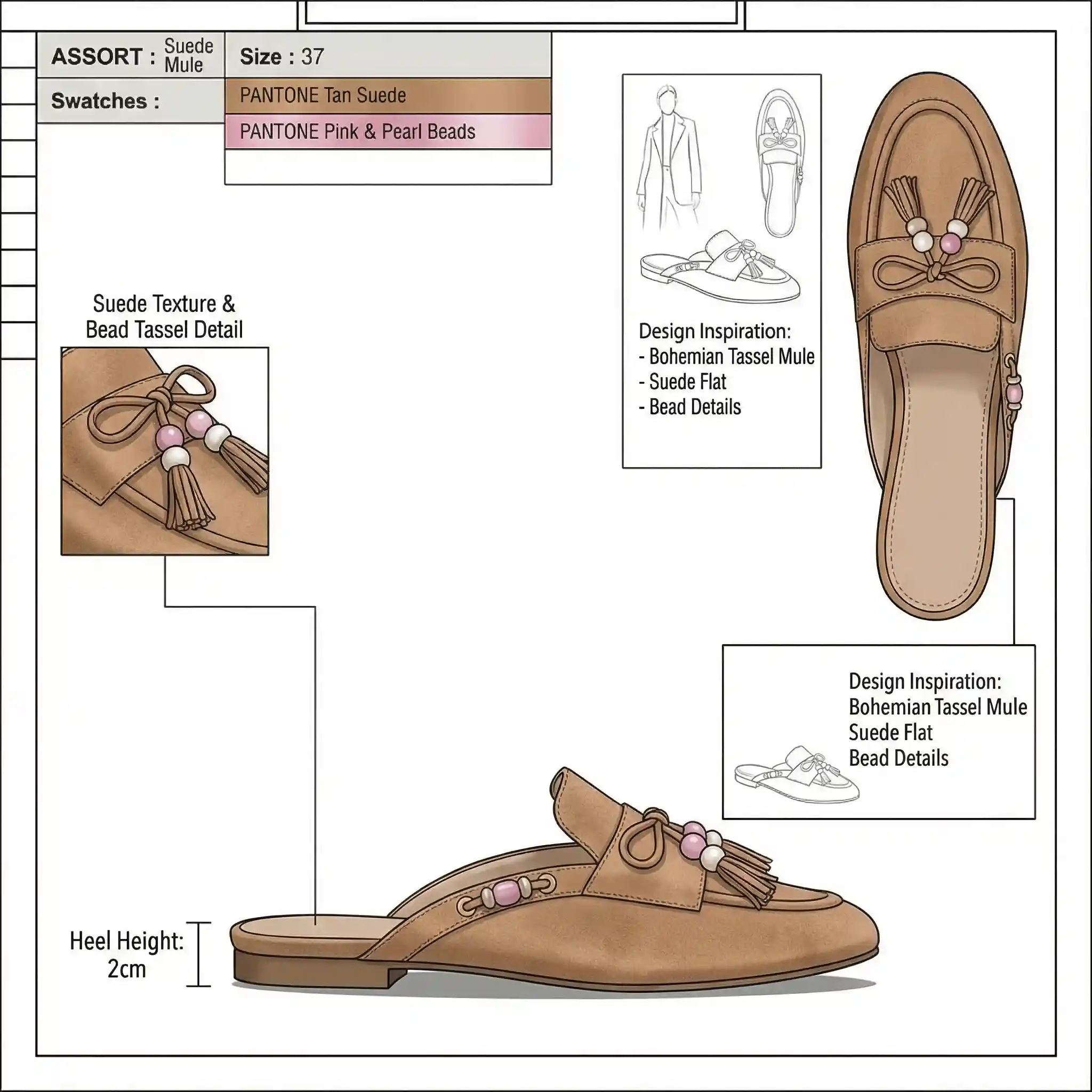
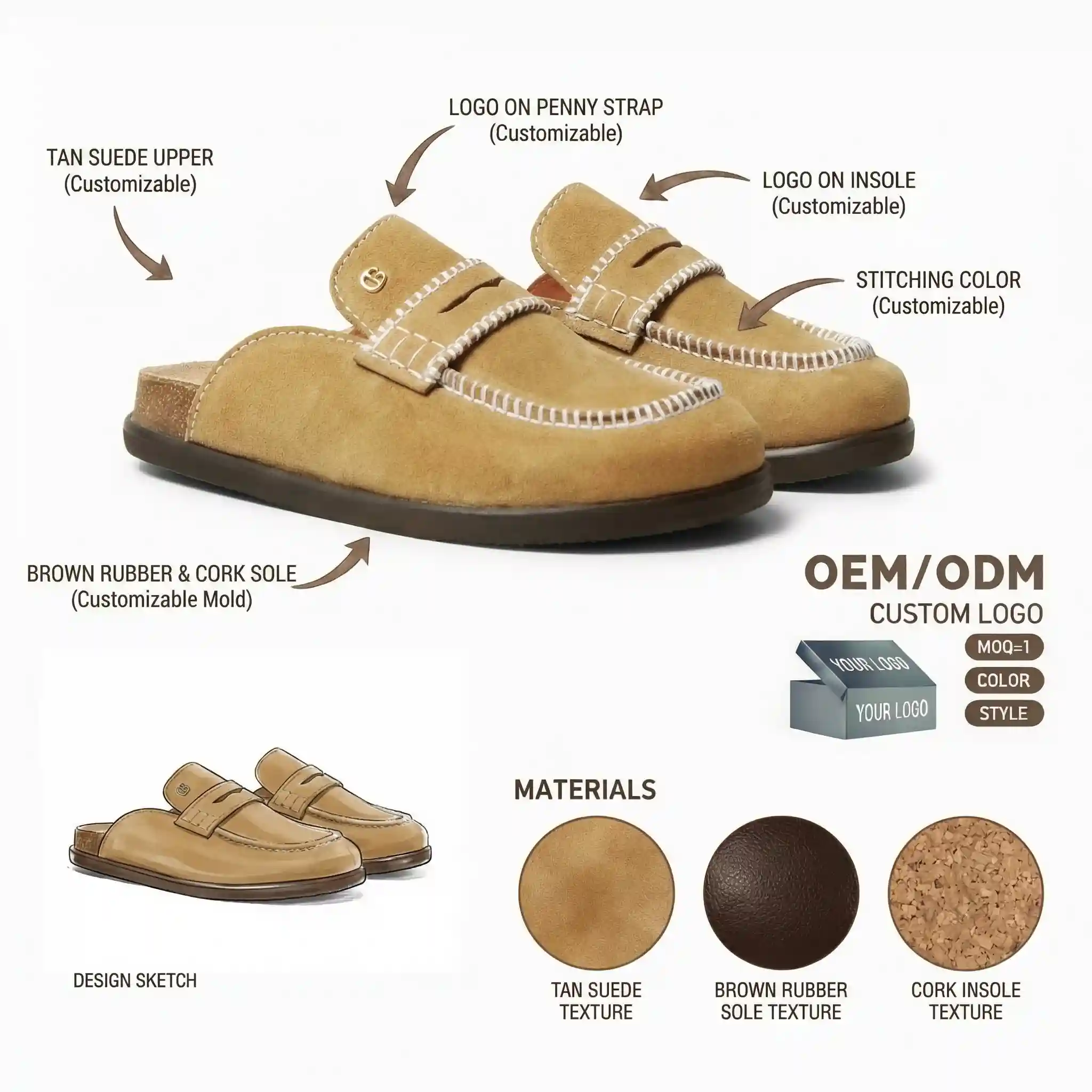


Flat Court Shoes in 2025 Where Innovation Meets 2025
Flat court shoes in 2025 fuse lightness, durability, and sustainability. Uppers rely on recycled polyester blends, microfibers, and plant-based leathers that mimic traditional hides with a smaller footprint. Seamless or low-stitch constructions reduce weight and improve water resistance. Cushioning blends EVA foams with lightweight midsoles for comfortable, responsive steps. Outsoles use durable rubber blends for grip, and redesigned lasts provide arch support and roomier toe boxes. Breathable linings and eco-conscious packaging complete the package. Global buyers benefit from flexibility: scalable production, rapid sampling, and transparent sourcing. Suppliers can offer BOM visibility, traceability, and compliance with international standards and social audits. Customization covers colorways, branding, and private labels, with digital tools to shorten development. Rigorous QC at every stage minimizes batch risk and keeps lead times predictable. Efficient logistics and regional hubs support global distribution with lower carbon impact.
| Model Code | Innovation Focus | Upper Material | Insole/Lining | Outsole | Weight (g) | Cushioning | Traction Rating | Breathability | Comfort Score | Recycled Content (%) | Country of Manufacture |
|---|---|---|---|---|---|---|---|---|---|---|---|
| FCS-01 | Biomaterial knit upper with responsive foam midsole | Bio-knit upper with microfibre patch | Textured knit lining | Herringbone blown rubber | 260 | Responsive foam midsole | 5 | 4 | 9 | 65 | Vietnam |
| FCS-02 | Modular sole system with energy-return pad | Mesh + recycled textile upper | Anti-slip comfort lining | Chevron pattern recycled rubber | 255 | EVA + rubberized blend | 4 | 5 | 8 | 80 | China |
| FCS-03 | Carbon-neutral dye process with vegan leather accents | Vegan suede with knit | Breathable foam lining | X-molded rubber with micro-toles | 270 | Air-based cushioning | 4 | 5 | 9 | 60 | Portugal |
| FCS-04 | Ultra-lightweight featherfoam core | Lightweight mesh with TPU overlays | Gel-like foam | PU foam compound | 238 | Foam + gel regions | 5 | 4 | 9 | 50 | Vietnam |
| FCS-05 | Thermally mapped knit with moisture management | Thermally mapped knit with synthetic suede | Dry-tuned lining | Adaptive grip rubber | 242 | Adaptive foam | 4 | 4 | 8 | 40 | Indonesia |
Related Products


Flat Court Shoes in 2025 From Concept to Delivery
Top Selling Products



- Related Blog
- Reviews
- Reviews
