
Ankle Boots Manufacturer - Wholesale & Manufacturer Direct
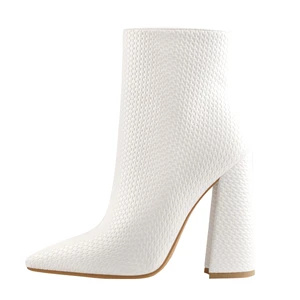
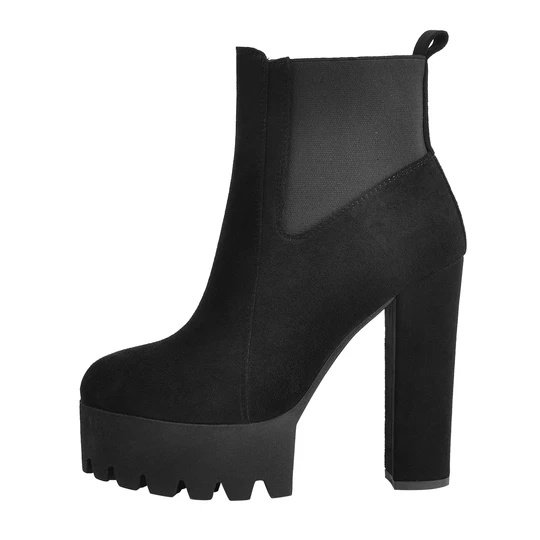
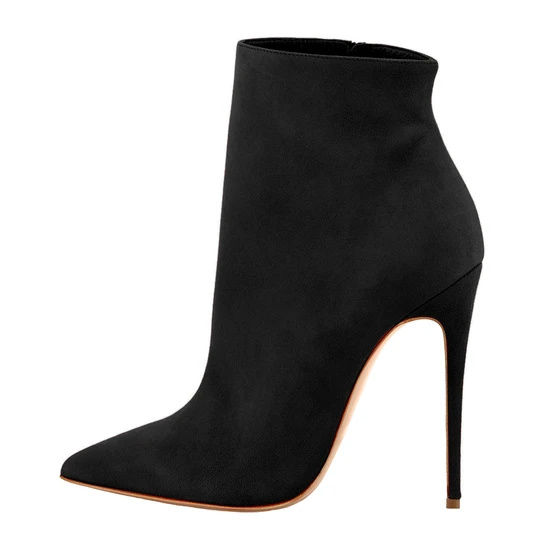
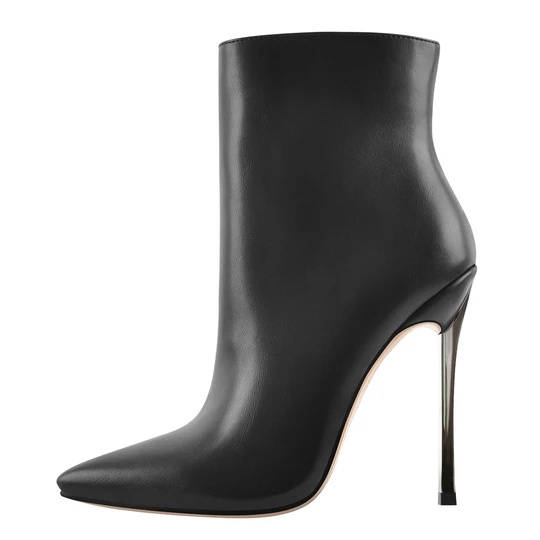
I’m an ankle boots manufacturer who focuses on delivering reliable value to wholesalers and retailers. When you partner with me, you’re choosing steady supply, consistent quality, and true Wholesale pricing for bulk orders. I handle end-to-end production—from design and material selection to final stitching—so you can source confidently as a dedicated Manufacturer. Our boots blend classic silhouettes with modern comfort: soft premium leather, rubber outsoles, cushioned insoles, and durable hardware that withstand daily wear. I offer customization options: colors, textures, fittings, packaging, and branding for private labels, plus OEM/ODM services to fit your market. QC at every stage ensures sizes, stitching and finish meet strict standards. Quick lead times, flexible MOQs, and reliable logistics help you scale. If you’re stocking fashion footwear in bulk, I’m your go-to ankle boots manufacturer for steady supply and growth.


ankle boots manufacturer Global Reach Where Service Meets Innovation
Across continents, an ankle boots manufacturer blends mass production strength with bespoke design support to turn ideas into finished products. A global network of material suppliers and production facilities enables consistent quality, cost efficiency, and reliable lead times. From concept validation, technical drawings, and prototyping to tooling and mass production, every step is steered by a dedicated team applying modern automation, lean manufacturing, and strict quality checks to meet international standards. Global buyers benefit from flexible OEM/ODM options, customization on upper materials, lasts, outsole patterns, and packaging; shipment by air or sea; real-time order tracking; and transparent communication. The capability to scale from small runs to large orders, collaborate on design libraries, and maintain ethical sourcing and sustainability positions partners to compete in fast-changing markets with confidence.
| Region | Key Manufacturing Hubs | Avg Lead Time (days) | Monthly Capacity (k units) | Automation Level (1-5) | Material Innovations (count) | Certifications | Distribution Centers |
|---|---|---|---|---|---|---|---|
| North America | USA; Canada | 22 | 320 | 4 | 5 | ISO 9001; ISO 14001; ISO 45001 | 7 |
| Europe | Germany; Italy; Spain | 25 | 270 | 5 | 6 | ISO 9001; ISO 14001; OEKO-TEX 100 | 6 |
| Asia-Pacific | China; Vietnam; India | 18 | 680 | 5 | 7 | ISO 9001; ISO 14001; OEKO-TEX 100 | 12 |
| Latin America | Brazil; Mexico | 28 | 110 | 3 | 4 | ISO 9001 | 3 |
| Middle East & Africa | Turkey; Egypt; South Africa | 30 | 90 | 2 | 3 | ISO 9001 | 2 |
Related Products


ankle boots manufacturer Application Delivers Unmatched Quality
Top Selling Products
- Related Blog
- Reviews
- Reviews
