
Women Shoe Factory - Wholesale Manufacturer of Quality Footwear
I’m with a Women Shoe Factory dedicated to reliable supply and real value for retailers worldwide. I present our line for Wholesale programs and as a Manufacturer who understands the fast pace of fashion. From design to delivery I oversee every step, ensuring consistent sizing, durable materials and sustainable practices. Our factory produces a wide range of styles—from chic heels to comfortable flats—at scale, with flexible MOQ and private label options. I know what B2B buyers need: short lead times, responsive communication, and batch testing for quality. We offer competitive price, batch production, and traceability. Partnering with us means you can stock your catalog with confidence, knowing your orders will meet quality specs and deadlines. Let's connect and discuss customization, packaging, and drop-shipping ready solutions for your wholesale channel.
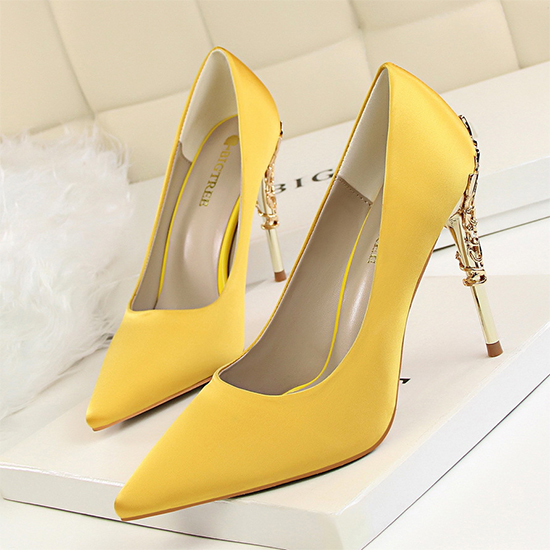


Women Shoe Factory Where Service Meets Innovation Your End-to-End Solution
For global buyers seeking a reliable partner in women’s footwear, this factory combines service and innovation to deliver an end-to-end solution. From design support and material sourcing to rapid prototyping and compliant production, you gain a single point of contact for timing, quality, and scalability. Advanced automation, lean manufacturing, and rigorous QA ensure consistency across styles while shortening lead times. Our end-to-end workflow covers product development, sample management, mass production, packaging, and global logistics, with transparent BOMs, PLM integration, and traceability. We offer customization across uppers, trims, colors, sizes, and finishes, with OEM/ODM and private label options, flexible MOQs, and sustainable practices. The result is reliable on-time delivery, proactive risk management, and ongoing post-shipment support.
| Location | Production Capacity (pairs/day) | Lead Time (days) | On-Time Delivery (%) | Defect Rate (%) | Primary Materials | Sustainability Score (0-100) | Certifications | Innovation Initiatives |
|---|---|---|---|---|---|---|---|---|
| Guangzhou, China | 4,200 | 6 | 95 | 1.2 | Leather (full-grain), synthetic | 78 | ISO 9001, BSCI | 3D knitting, automated cutting, real-time QC |
| Ho Chi Minh City, Vietnam | 3,600 | 5 | 92 | 1.5 | Leather, mesh | 82 | ISO 14001, SA8000 | AI-driven demand forecasting, energy recovery |
| Dhaka, Bangladesh | 3,200 | 7 | 88 | 2.0 | Leather, canvas | 74 | ISO 9001 | Robotic assembly line, sustainable finishing |
| Lagos, Nigeria | 1,800 | 8 | 85 | 2.5 | Faux leather, knit fabric | 69 | ISO 45001, RBA | Upcycled materials, waterless dyeing |
| Tiruppur, India | 2,400 | 6 | 90 | 1.8 | Leather, knit | 76 | ISO 9001, Fair Labor Association | Circular economy packaging, waste heat recovery |
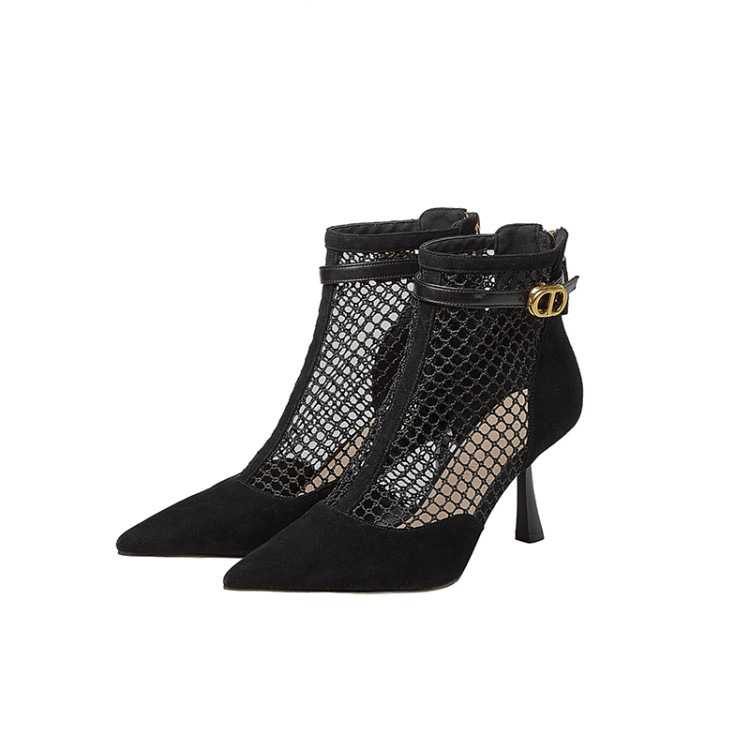
Related Products




Women Shoe Factory Industry Leaders More Than a Supplier - A Partner
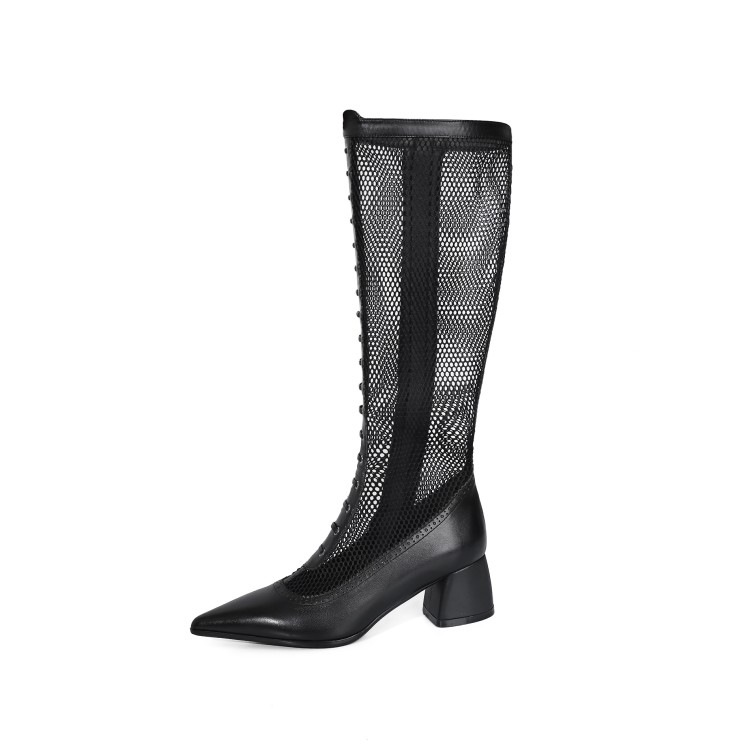
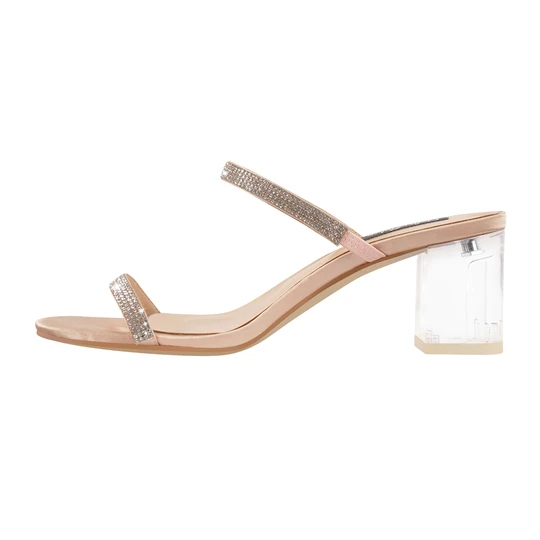
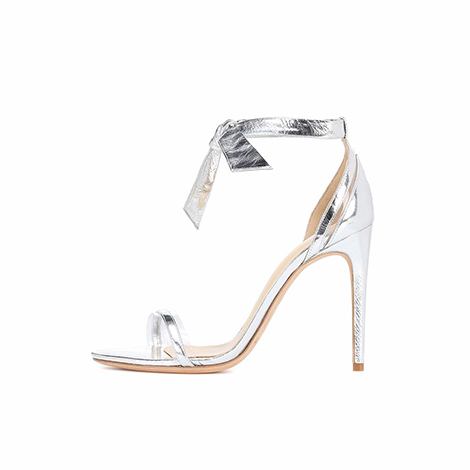
Top Selling Products

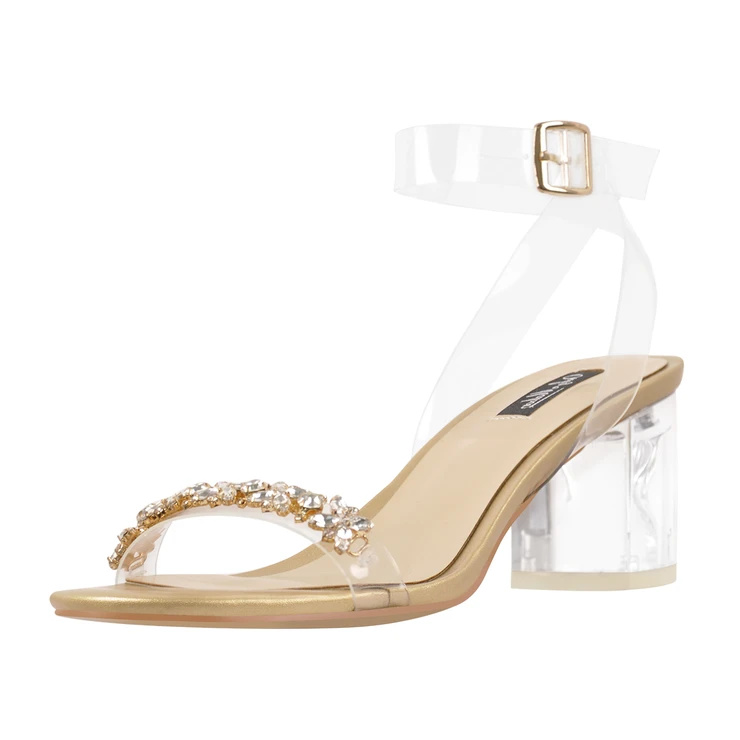
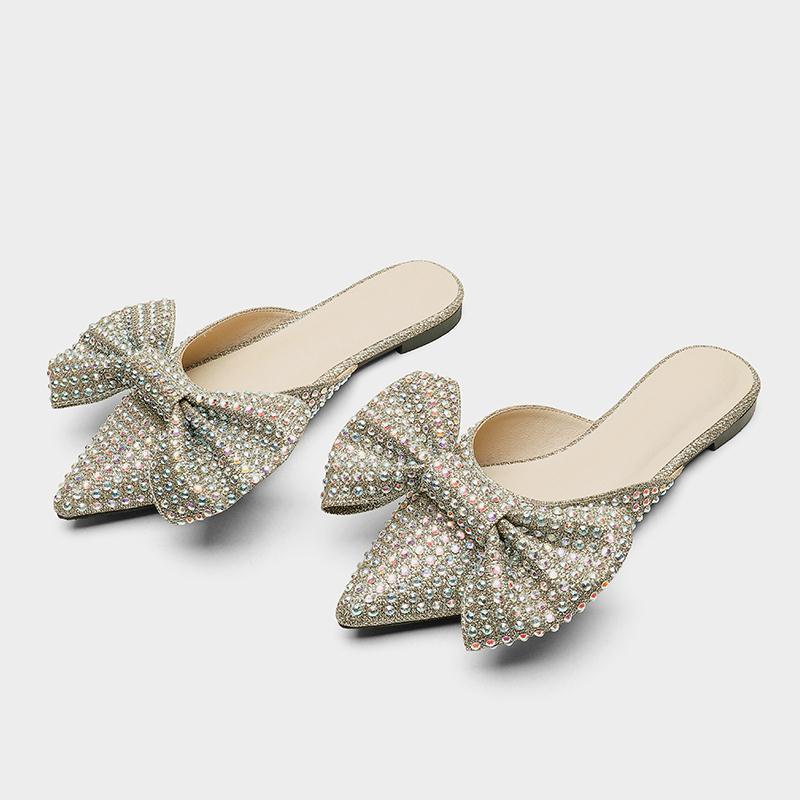
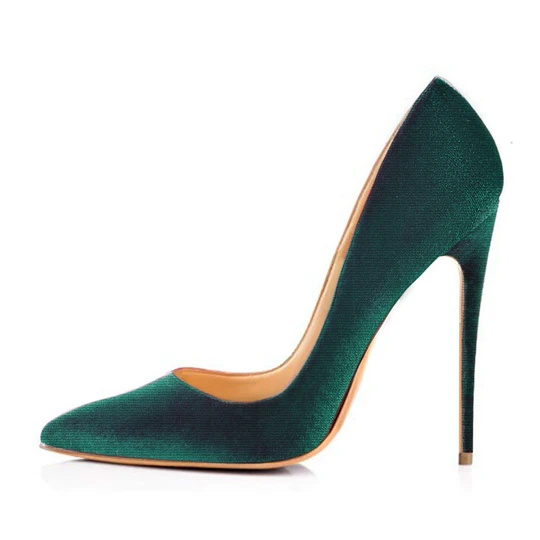

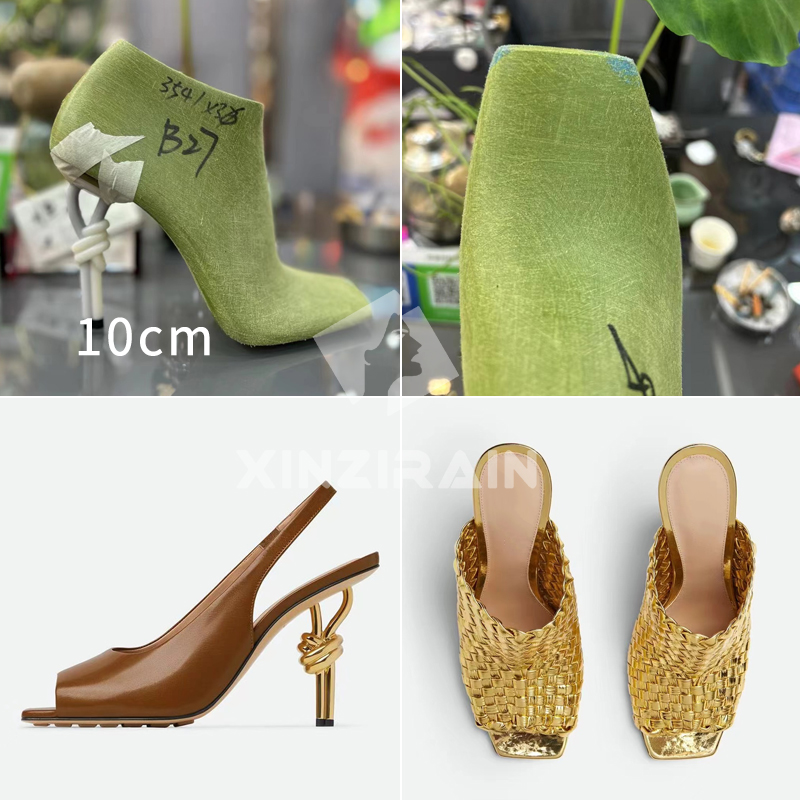
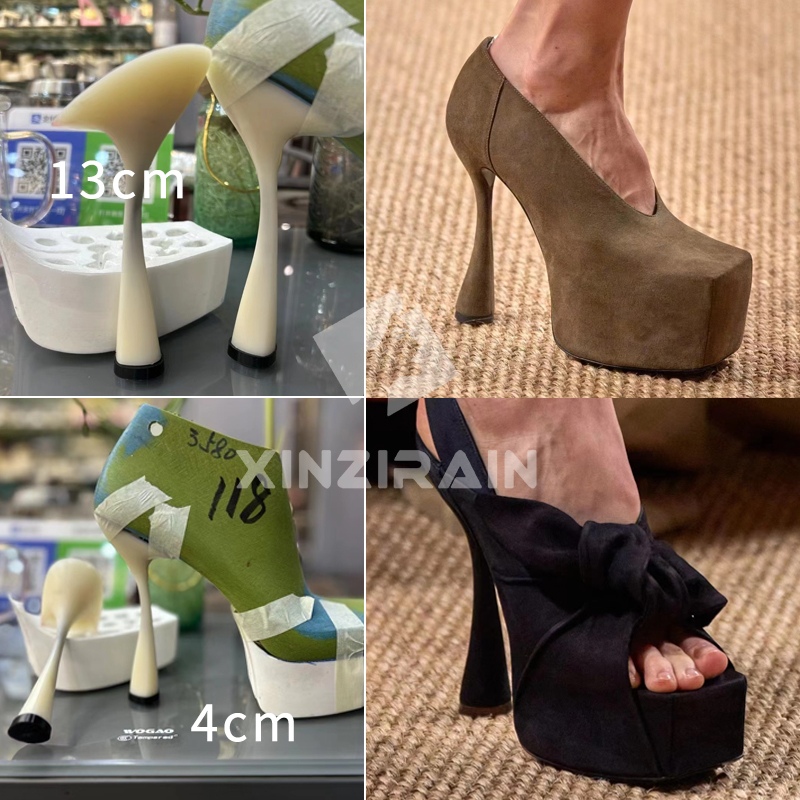
- Related Blog
- Reviews
- Reviews
