
Daily Wear Bag Wholesale Manufacturer
I am the founder of a hands-on team, and I specialise in crafting the daily wear bag you can rely on. For wholesale buyers, I offer clear MOQs, flexible colorways, and fast lead times. We are a manufacturer that treats every bag like it will ride through daily routines, school commutes, and airport hops. Our daily wear bag uses sturdy ballistic fabric, weather-resistant zips, and roomy compartments to keep gear organized. I can customize straps, logos, and interior linings to fit your brand. You’ll appreciate our transparent pricing, sample policy, and warranty. When you partner with us for Wholesale purchases, you’re not just stocking inventory—you’re aligning with a manufacturer who understands demand cycles, order batching, and scalable fulfillment. I stand by quality control, ethical sourcing, and on-time delivery. Let me help you grow your catalog with a reliable daily wear bag that shoppers will return for.


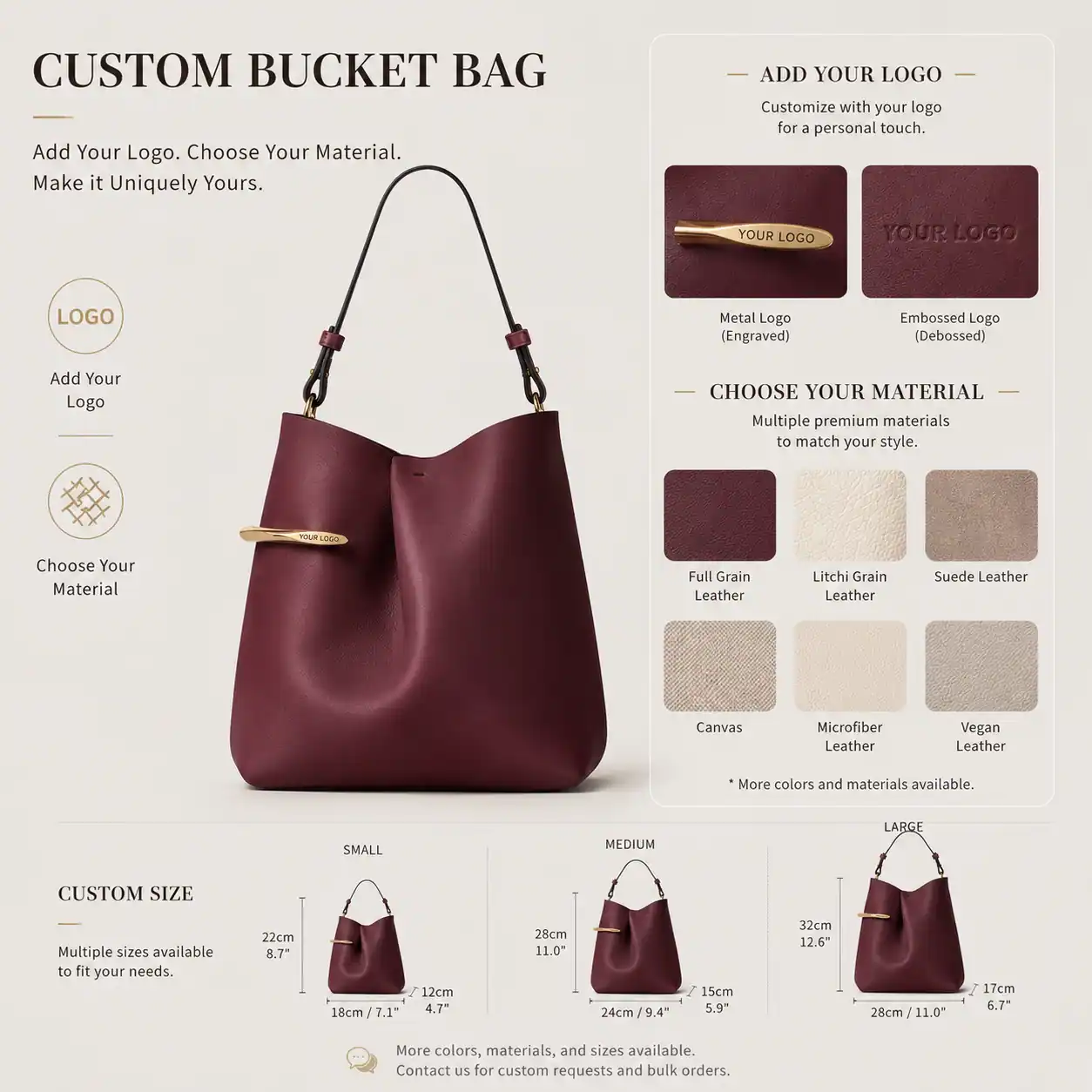


daily wear bag Market Leader From Concept to Delivery
From concept to delivery, a true leader in daily wear bags transforms market insights into functional, durable products that fit everyday life. Our process starts with trend research, user studies, and ergonomic sketches, then selects materials that balance strength, weight, and sustainability. We prioritize weather resistance, organized interiors, comfortable straps, and low-maintenance cleaning, enabling bags that perform in travel, work, and leisure. With end-to-end manufacturing capability, we translate concepts into rapid prototypes, test for wear, color fastness, and safety, and move quickly to production at scale. Tight QC, transparent BOMs, and traceable supply chains minimize risk for global buyers. Flexible MOQs, responsive lead times, and a commitment to on-time delivery are matched by eco-friendly options and packaging that reduces waste. Our collaborative approach turns a design idea into a market-ready solution that strengthens brand value across distribution channels.
| Dimension | Sub-dimension | Value | Notes |
|---|---|---|---|
| Market Overview | Global Market Size | 35.8 | USD bn |
| Market Overview | CAGR (2024-2029) | 4.8% | Compound annual growth rate |
| Geographic Distribution | North America | 28% | Share of regional market |
| Geographic Distribution | Europe | 22% | Share of regional market |
| Geographic Distribution | Asia-Pacific | 40% | Share of regional market |
| Geographic Distribution | Others | 10% | Share of regional market |
| Product Mix | Backpack | 30% | Share of product category |
| Product Mix | Tote | 25% | Share of product category |
| Product Mix | Messenger | 20% | Share of product category |
| Product Mix | Crossbody | 15% | Share of product category |
| Product Mix | Other | 10% | Share of product category |
| Distribution Channels | Online DTC | 45% | Direct-to-consumer |
| Distribution Channels | Retail Partners | 30% | Multi-brand retailers |
| Distribution Channels | Specialty Stores | 15% | Specialty retailers |
| Distribution Channels | Others | 10% | Other channels |
| Materials & Sustainability | Leather | 25% | Share of materials |
| Materials & Sustainability | Fabric (Nylon/Poly) | 50% | Share of materials |
| Materials & Sustainability | Canvas | 15% | Share of materials |
| Materials & Sustainability | Recycled/Other | 10% | Share of materials |
| Supply Chain Lead Time | Concept to Prototype | 22 | days |
| Supply Chain Lead Time | Prototype to Sample | 14 | days |
| Supply Chain Lead Time | Sample to Production | 28 | days |
| Supply Chain Lead Time | Production to Delivery | 21 | days |
| Consumer Demographics | Age 18-25 | 32% | Share |
| Consumer Demographics | Age 26-35 | 38% | Share |
| Consumer Demographics | Age 36-45 | 18% | Share |
| Consumer Demographics | Age 46+ | 12% | Share |
| Feature Adoption | Water Resistant | 85% | Adoption rate |
| Feature Adoption | Anti-theft | 60% | Adoption rate |
| Feature Adoption | USB Charging | 40% | Adoption rate |
| Feature Adoption | Lightweight | 70% | Adoption rate |
Related Products
OEM ODM Elegant Deep Brown Leather Clutch with Gold Accent | Xinzirain Premier Clutch Bag Manufacturer Evening Bag Manufacturer
Read More


daily wear bag Trusted by Pros Outperforms the Competition
Top Selling Products

- Related Blog
- Reviews
- Reviews
