
Men’S Custom Autumn Boots Wholesale Manufacturer
From the first sketch to the final fit, I craft Men’S Custom Autumn Boots that stand up to daily wear. As a Manufacturer, I understand wholesale demand and can tailor sizes, materials, and finishes to your catalog. When you choose our boots, you’re not buying off-the-shelf; you’re getting a product that rides the line between rugged durability and refined style. I offer durable full-grain leather uppers, rust-proof hardware, and weatherproof stitching—perfect for autumn conditions. For wholesale partners, I provide flexible MOQs, private labeling options, and fast lead times. Our in-house design team works with you to choose colorways, sole patterns, and insoles. I keep quality control tight with each batch, so you get consistency across orders. If you’re sourcing with a manufacturer that understands seasonal demand and branding, I’d love to discuss your project and how we can scale together.
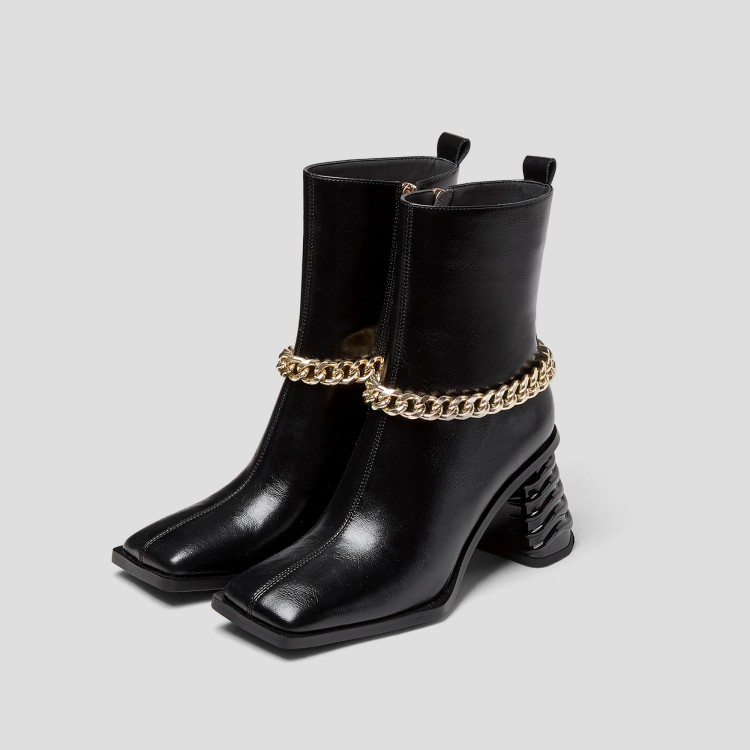
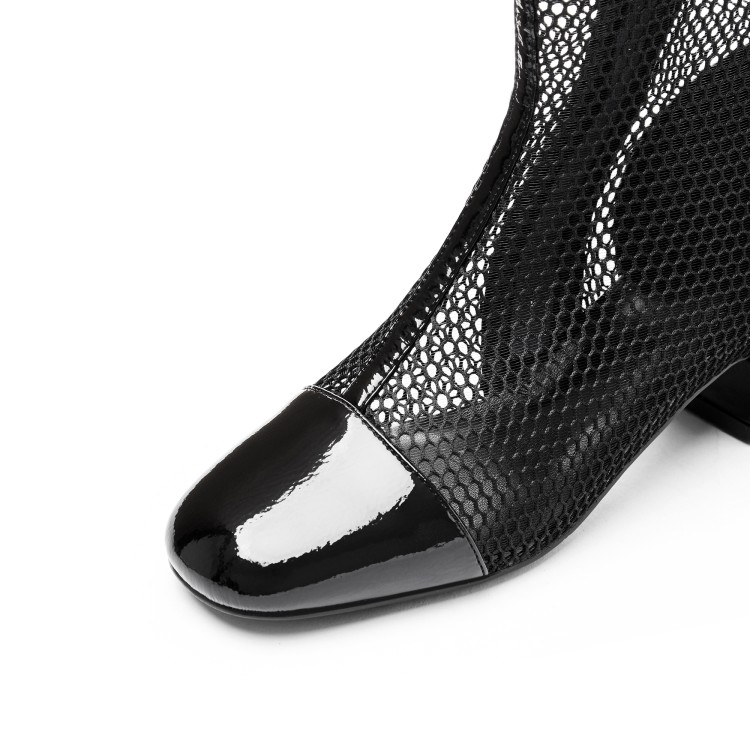


Men’S Custom Autumn Boots Industry Giant Trusted by Pros
These men’s autumn boots blend rugged durability with precise craftsmanship. From outsole geometry for stability to waterproof leathers and warm linings, they deliver dependable all-season performance. Global buyers can tailor upper materials, colors, sizing, and insole design, while flexible MOQs and rapid prototyping shorten development. Tight quality control with full traceability from raw material to final product ensures batch-to-batch consistency and compliance with international standards. For procurement teams, partnering with a proven manufacturer reduces total cost of ownership through durable components, repairable design, and reliable on-time shipments. End-to-end support—from 3D design to scaled production—helps adapt boots for diverse conditions, from urban use to rugged fieldwork. With ethical sourcing, stable supply chains, and robust after-sales service, buyers gain confidence to deploy custom autumn boots across global markets. Explore a collaborative approach that aligns performance with value and cost efficiency.
{ Men’S Custom Autumn Boots Industry Giant Trusted by Pros }
| Dimension | Attribute | Value | Unit | Notes |
|---|---|---|---|---|
| Production & Capacity | Monthly capacity | 12,000 | units | Under standard factory conditions |
| Operations | Custom-order lead time | 36 | days | Average |
| Quality & Reliability | QA pass rate | 98.4 | % | Across major production lines |
| Quality & Reliability | Defect rate | 1.6 | % | Post-production, audited samples |
| Customization | Available options | 24 | options | Core features for customization |
| Materials | Leather share | 45 | % | Top-grain & full-grain leather mix |
| Materials | Nubuck share | 20 | % | Premium finish |
| Materials | Synthetic share | 25 | % | |
| Materials | Rubber share | 5 | % | |
| Materials | Other share | 5 | % | Includes fabric linings & trims |
| Customer Experience | Satisfaction score | 4.7 | /5 | Annual average |
| After-sales | Return rate | 1.2 | % | Annual |
| Global Presence | Regions served | 5 | regions | NA, EU, APAC, LATAM, MEA |
| Global Presence | Regional distribution | 38 | % | North America share |
| Sustainability | Waste reduction rate | 92 | % | Yearly target |
| R&D | R&D intensity | 3.5 | % | Of revenue (est.) |
| Efficiency | Energy consumption per pair | 0.42 | kWh | Average per boot pair |
| Supply Chain | Active suppliers | 68 | suppliers | Worldwide network |
| Warranty | Warranty claims rate | 0.8 | % | Annual |
Related Products


Men’S Custom Autumn Boots Stands Out Industry Leaders
Top Selling Products

- Related Blog
- Reviews
- Reviews
