
Loafer Shoes - Wholesale Manufacturer for Quality Footwear
From a hands-on perspective, I deliver high-quality loafer shoes designed for business buyers who value comfort, durability, and speed to market. As a Wholesale partner and a Manufacturer, I control every step—from selection of premium full-grain leather to triple-stitch reinforcement and non-slip outsole tests. Our loafer shoes balance timeless style with modern comfort, making them ideal for corporate wardrobes, hospitality staff, and premium retailers. I offer flexible MOQ, colorways, and customization to fit your catalog and branding needs. Transparent pricing, short lead times, and rigorous QC ensure you can stock confidently. I can provide packaging options, private labeling, and drop-ship service to streamline your sales channel. If you seek reliable supply for a steady campaign or seasonal launches, I’m ready to collaborate, share catalogs, and tailor terms that suit your Wholesale or Distributor needs, so your customers keep coming back for our finished, comfortable loafer shoes.


loafer shoes Where Innovation Meets 2025 Your Trusted OEM Partner
Loafers are redefining 2025 with timeless silhouettes and smart materials. As a dependable OEM partner for global buyers, we turn concepts into scalable lines—from last design and grading to outsole engineering and assembly. Rapid prototyping, digital samples, and virtual fit checks keep you in control before full runs. We offer sustainable options, including vegetable-tanned or recycled leathers, water-based adhesives, and responsibly sourced textiles, paired with cushioned footbeds for lasting comfort. Whether classic penny, moc, or new-school hybrid loafers, our programs fit private labeling or co-branding needs. Reliability and compliance drive delivery. Our QA system covers material approvals, inline inspections, and final audits to international standards, with transparent BOMs and environmental data. We support varied order sizes, shorter lead times, and packaging customization with labeling and necessary documentation for regional rules. Partnering with us gives you a scalable, future-ready loafer program that stays on trend, meets demand, and speeds time-to-market.
loafer shoes Where Innovation Meets 2025 Your Trusted OEM Partner
| Factory Code | Variant | Upper Material | Lining Material | Outsole Material | Size Range | Weight (g) | Lead Time (weeks) | Certifications | Monthly Capacity (pcs) | Quality Score | Last QC Date | OEM Readiness Score | Warranty (years) | Region |
|---|---|---|---|---|---|---|---|---|---|---|---|---|---|---|
| F-1023 | Classic Black 2-eye | Full-grain Leather | Pigskin Leather | Rubber | 38-44 | 520 | 6 | ISO 9001; REACH | 10000 | 89 | 2025-11-21 | 0.86 | 1 | Europe |
| F-1024 | Pecan Glaze Slip-On | Synthetic Leather | Textile | EVA | 39-44 | 480 | 5 | ISO 9001; BSCI | 12000 | 92 | 2025-12-04 | 0.88 | 2 | Americas |
| F-1025 | Cognac Pebble | Premium Nubuck | Leatherette | Rubber with EVA midsole | 40-45 | 540 | 7 | ISO 9001 | 9000 | 90 | 2026-01-10 | 0.83 | 1 | Europe |
| F-1026 | Minimalist Brown | Calfskin Leather | Cotton Blend | Rubber | 38-42 | 510 | 6 | ISO 9001; REACH | 11000 | 88 | 2025-12-28 | 0.82 | 2 | APAC |
| F-1027 | Espresso Wide Fit | Leather+Stretch | Lycra | Rubber | 40-46 | 590 | 8 | ISO 14001; ISO 9001 | 8000 | 85 | 2025-09-14 | 0.80 | 1 | Europe |
| F-1028 | Navy Suede | Suede | Textile | TPR | 39-41 | 460 | 4 | ISO 9001 | 15000 | 93 | 2026-02-02 | 0.91 | 1 | Americas |
| F-1029 | Two-tone Classic | Leather+Canvas | Leather | Rubber | 36-42 | 470 | 5 | ISO 9001; BSCI; REACH | 12000 | 87 | 2026-03-01 | 0.85 | 1 | APAC |
Related Products
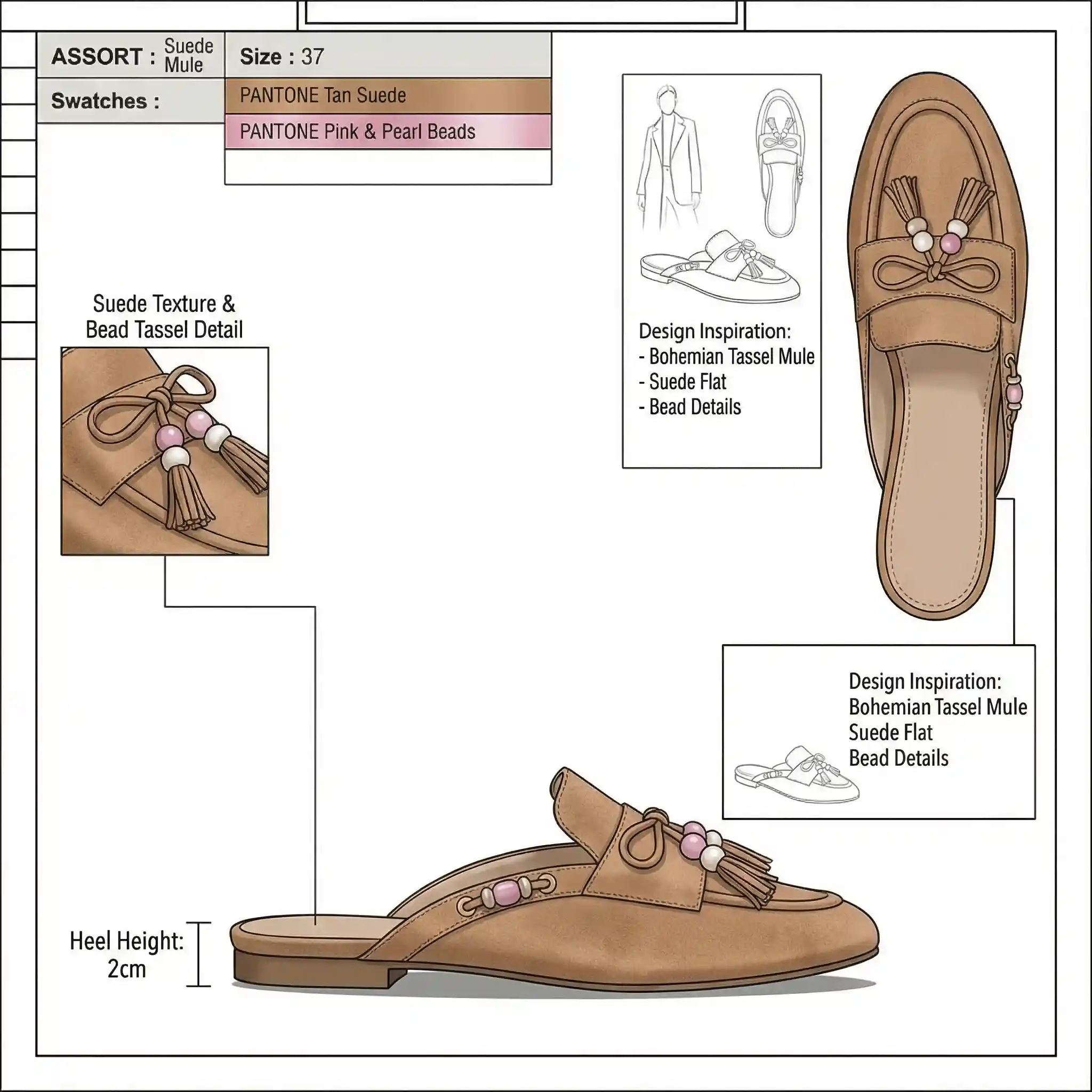
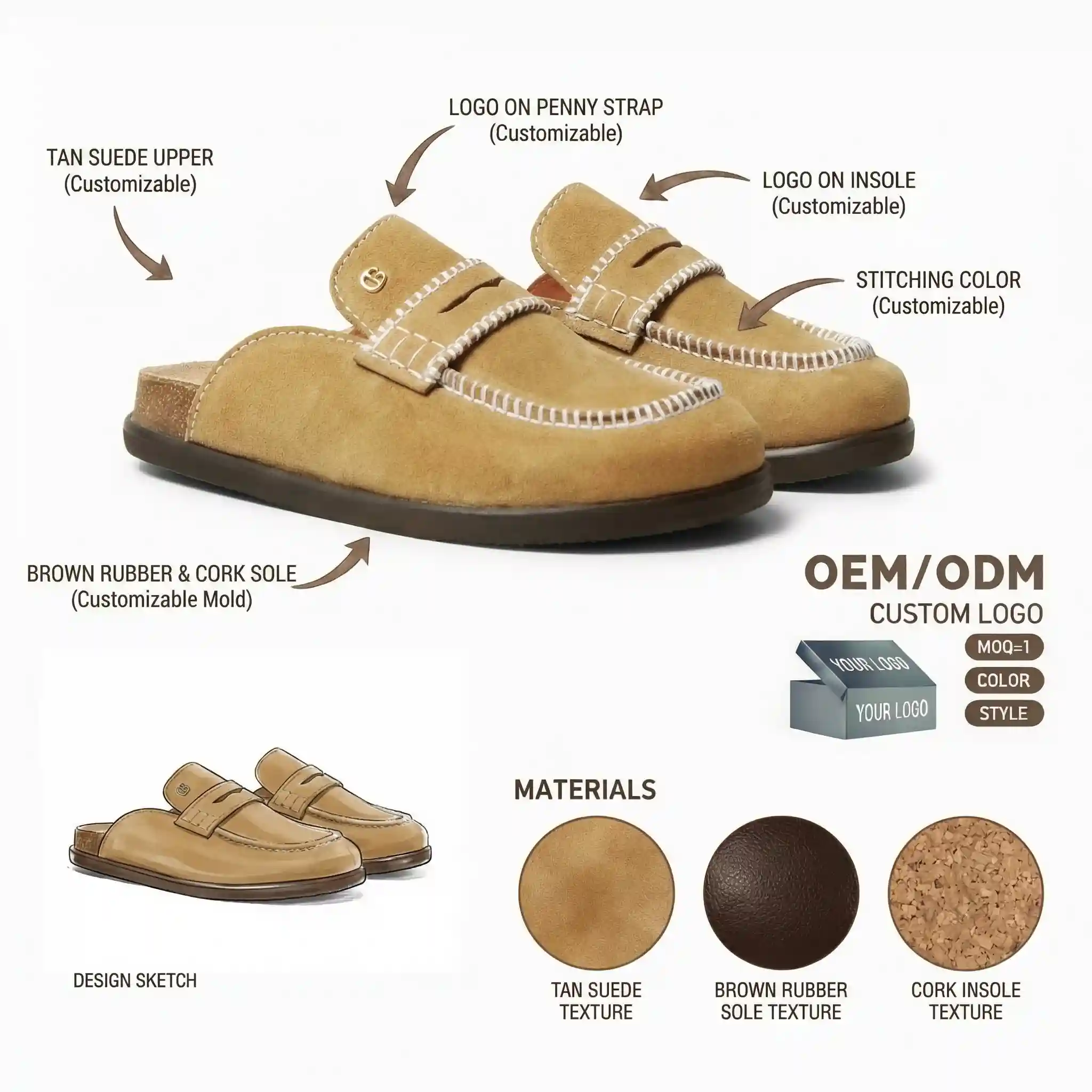


loafer shoes Dominates Market Leader
Top Selling Products




- Related Blog
- Reviews
- Reviews
