
Bag Making Leather: Wholesale Manufacturer for Leather Bags
We are a Wholesale Manufacturer of Bag Making Leather, delivering consistent quality and dependable supply to brands and retailers. When you choose our leather, you get full-grain and corrected-grain options, thicknesses from 0.8 mm to 2.5 mm, and finishes like matte, patent, or antique. Bag Making Leather is our core, and we tailor grain, color, and surface to your design needs. We provide samples quickly, flexible minimum order quantities, and scalable production to meet seasonal demand. Our sourcing is transparent, with traceable hides, tanning in eco-friendly processes, and strict QC at every stage. Partner with us and you gain stable pricing, long-term supply agreements, and a reliable partner who understands wholesale dynamics. You’ll get on-time delivery, consistent batch color, and dedicated support from product development to logistics. If you want to build premium bags at scale, we are ready to manufacture your Bag Making Leather solution.
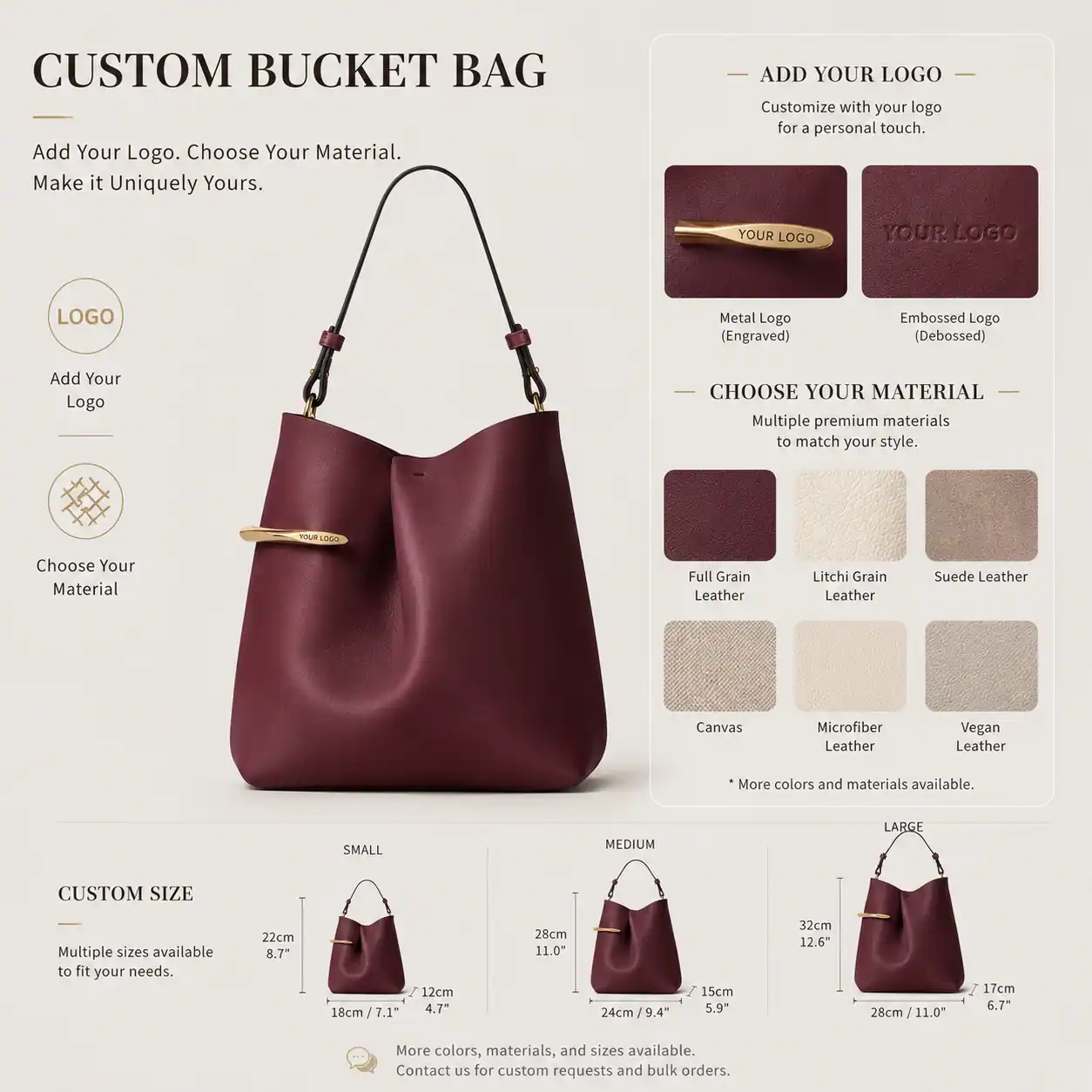


Bag Making Leather Service Ahead of the Curve
In today’s fast-moving fashion landscape, bag making leather services ahead of the curve blend craftsmanship with data-driven process control. From premium hide selection and dyeing to precise stitching and finishing, an integrated workflow ensures consistent color, grain, and durability across styles. Flexible configurations support small concept runs to full-scale production, with rapid prototyping to test ideas before launch. For global buyers, reliable lead times, clear capacity planning, and transparent quality control are essential. Flexible minimums, scalable tooling, and traceability across the supply chain reduce risk and adapt to demand shifts. Sustainable sourcing, compliance documentation, and responsible finishing practices support ESG goals. A responsive partner manages specs, samples, and changes without sacrificing margins. Partnering with a leather bag specialist that combines craft with scalable operations helps brands stay ahead of trends and regional demand. With rigorous QA, risk management, and collaborative development, buyers gain a dependable pipeline for premium leather bags worldwide.
| Aspect | Specification | Value | Unit | Notes |
|---|---|---|---|---|
| Leather Material | Type | Full-grain cowhide; Top-grain cowhide; Nubuck | N/A | Common materials used for premium bags; patina varies with use. |
| Thickness | Range | 1.8 - 2.4 | mm | Suitable for outer panels and straps. |
| Finish / Dye | Dyeing Method | Aniline; Semi-aniline; Waxed | N/A | Affects color depth, patina, and water resistance. |
| Grain | Surface Grade | Full-grain; Top-grain; Corrected-grain | N/A | Full-grain preserves natural surface and aging character. |
| Stitching | Density | 6-8 | stitches per inch | Higher density improves seam strength and durability. |
| Hardware | Finish Options | Brass-tone; Nickel; Gunmetal | N/A | Finish influences corrosion resistance and overall aesthetics. |
| Dimensions | Common bag sizes (L x W x H) | Tote: 380 x 320 x 110 mm; Messenger: 420 x 320 x 120 mm; Backpack: 320 x 180 x 420 mm | mm | Measurements in millimeters; L × W × H. |
| Production | Standard Processing Time | 5-12 | days | Typical lead time for standard orders; complex features may vary. |
| Edge Finishing | Edge Treatment | Burnished; Painted; Sealed | N/A | Improves durability and aesthetics at bag edges. |
| Care | Maintenance Interval | 3-6 | months | Condition with appropriate product; avoid over-oiling. |
Related Products


Bag Making Leather Industry Giant Sets the Industry Standard
Top Selling Products



- Related Blog
- Reviews
- Reviews
