
Women's Boots Production - Wholesale & Manufacturer
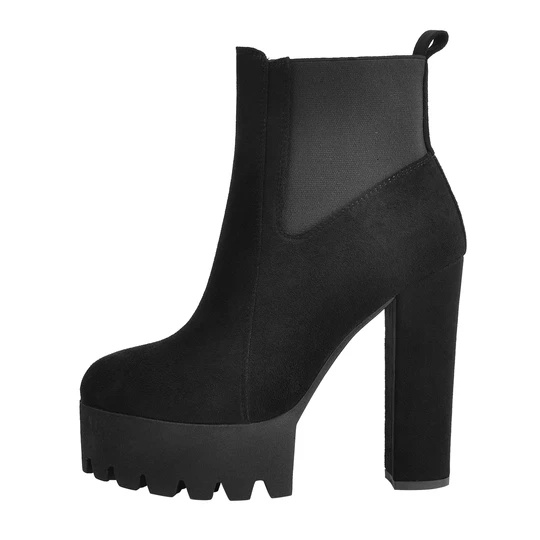
With years in the field, I oversee Women's Boots Production that meets the demands of fashion-forward retailers. We are a Wholesale Manufacturer dedicated to turning design into durable, comfortable boots at scale. From first sketch to final prototype, I guide every step—materials sourcing, stitching, outsole bonding, and QC checks—so you get consistent quality in every batch. Our production line adapts to various styles, from ankle boots to knee-highs, with customizable uppers, linings, and colors. I offer flexible MOQs and fast lead times, ideal for brands expanding their catalogs. You tell me your volumes, we deliver on-time shipments, and we provide transparent communication—no hidden delays. If you’re searching for a trusted partner who can handle large orders without sacrificing fit or comfort, I can help. Let me show you how our Women's Boots Production can boost your wholesale program and strengthen your catalog with dependable Manufacturer support.
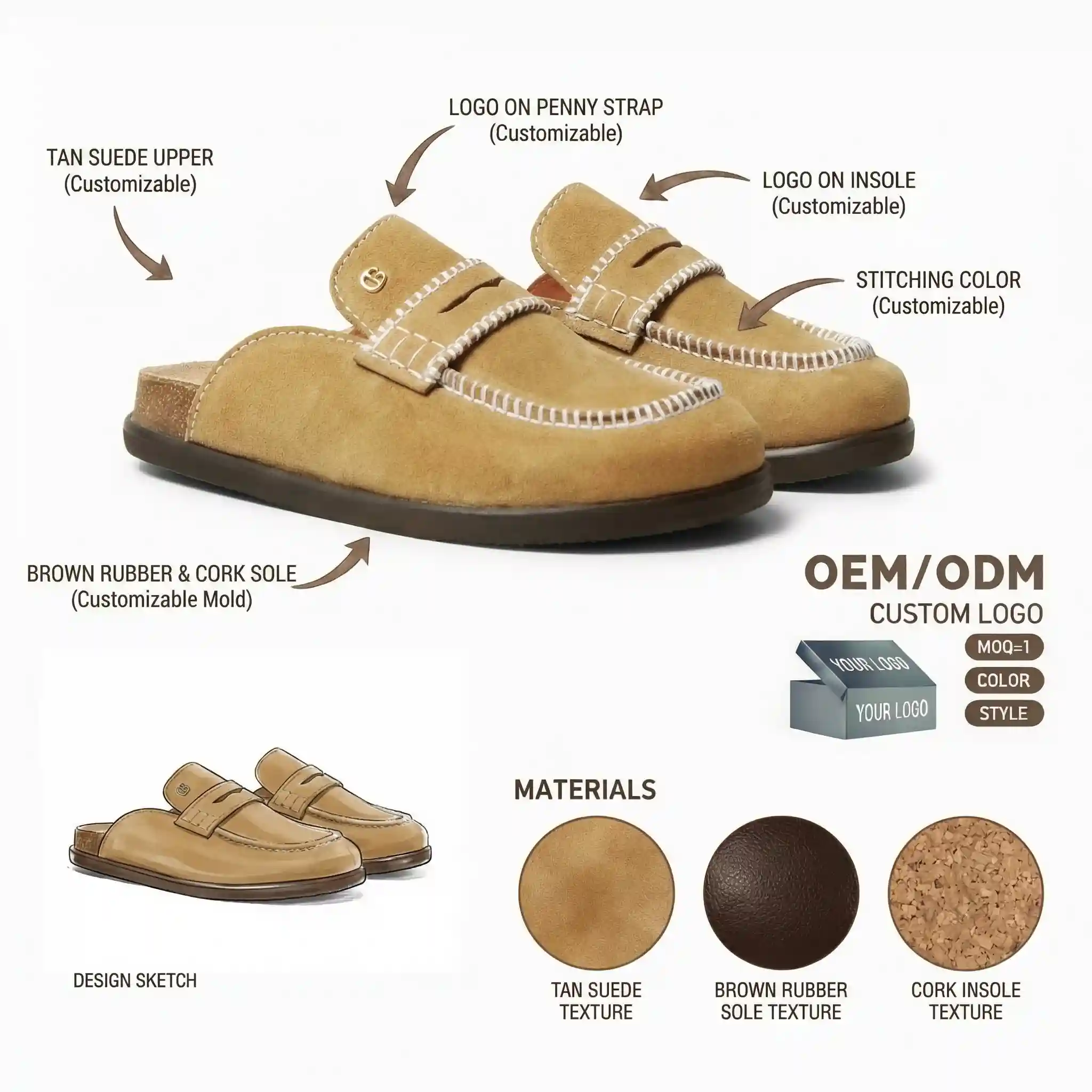

Women's Boots Production Factory Exceeds Industry Benchmarks
Driven by automation and skilled craftsmanship, a Chengdu-based factory producing women's boots has surpassed typical industry benchmarks. With integrated ERP-driven planning, automated cutting, stitching, and finishing lines, the facility achieves high throughput while preserving fit, comfort, and durability. Rigorous inline inspection and final QC keep defect rates well below market norms, supporting confident, large-volume orders. The factory offers a wide material and design latitude: full leather and textile uppers, waterproof membranes, insulation options, various closures, and outsole compounds. It supports both OEM and ODM projects, handles seasonal launches, and can accommodate high-frequency reorders with short lead times. A commitment to ethical sourcing, reduced waste, and energy efficiency underpins every batch, aligning with buyers' sustainability goals. Global buyers benefit from transparent sampling, clear IP protection, flexible MOQs, and scalable logistics. The team works with clients to optimize product specs, certifications, and packaging, delivering reliable lead times and responsive after-sales support. In a market demanding speed and reliability, this facility combines proximity to manufacturing hubs with robust supplier management to turn design intent into durable, market-ready boots.
Women's Boots Production Factory Exceeds Industry Benchmarks
| Quarter | Production Volume (k pairs) | Defect Rate (%) | First Pass Yield (%) | On-Time Delivery (%) | OEE (%) | Energy per Pair (kWh) | Cycle Time (days) | Downtime (hours/month) | Safety Incidents (per quarter) |
|---|---|---|---|---|---|---|---|---|---|
| Q1 2024 | 420 | 0.9 | 99.1 | 95.2 | 86.5 | 2.3 | 12.4 | 40 | 1 |
| Q2 2024 | 450 | 0.85 | 99.2 | 96.5 | 87.3 | 2.2 | 12.0 | 32 | 0 |
| Q3 2024 | 480 | 0.75 | 99.4 | 97.1 | 89.2 | 2.0 | 11.5 | 25 | 1 |
| Q4 2024 | 520 | 0.65 | 99.6 | 98.0 | 90.5 | 1.9 | 11.0 | 20 | 0 |
| Industry Benchmark | — | 1.2 | 99.0 | 93.0 | 83.0 | 2.8 | 13.5 | 52 | 0 |
Related Products


Women's Boots Production More Than a Supplier - A Partner Service Backed by Expertise
Top Selling Products




- Related Blog
- Reviews
- Reviews
