
Wholesale Womens Casual Shoes Manufacturers | Trusted Manufacturer
With a focus on comfort, style, and reliability, I represent Womens Casual Shoes Manufacturers who welcome Wholesale partners and bulk purchasing. My line covers everyday sneakers, loafers, and casual flats crafted for long wear, featuring breathable uppers, cushioned insoles, and durable outsoles. I work directly as a Manufacturer, so I can offer competitive prices, flexible MOQs, and fast lead times tailored to your demand. You can request private labeling, colorways, and packaging customization to fit your brand image. From sampling to mass production, I supervise every batch with strict QC to ensure size consistency and stitch durability. I ship worldwide and support drop-ship and bulk shipments. Whether your market needs lightweight travel pairs or premium casuals, I provide education on material choices and trend-driven designs while keeping costs sensible for Wholesale channels. Let me help you grow your catalog with dependable supply and steady partnership.
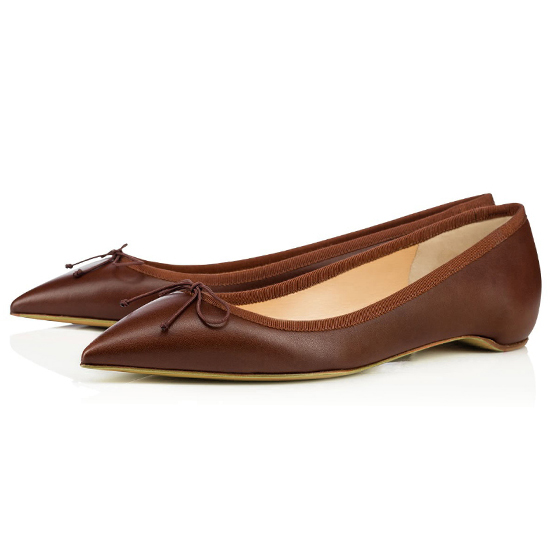
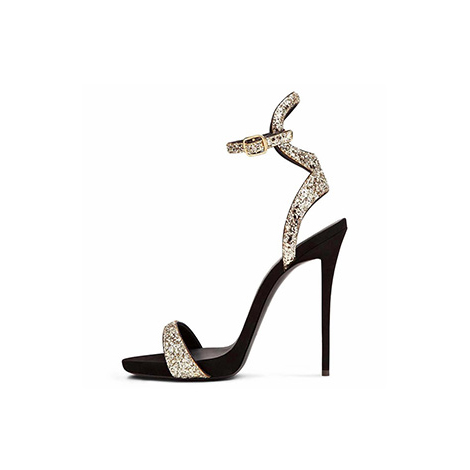


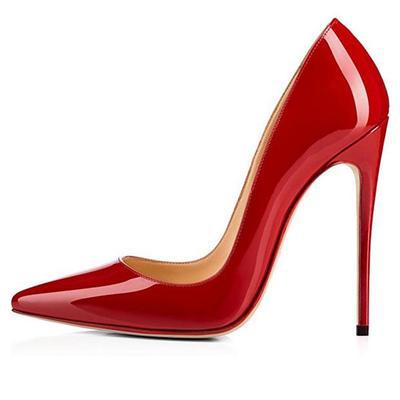
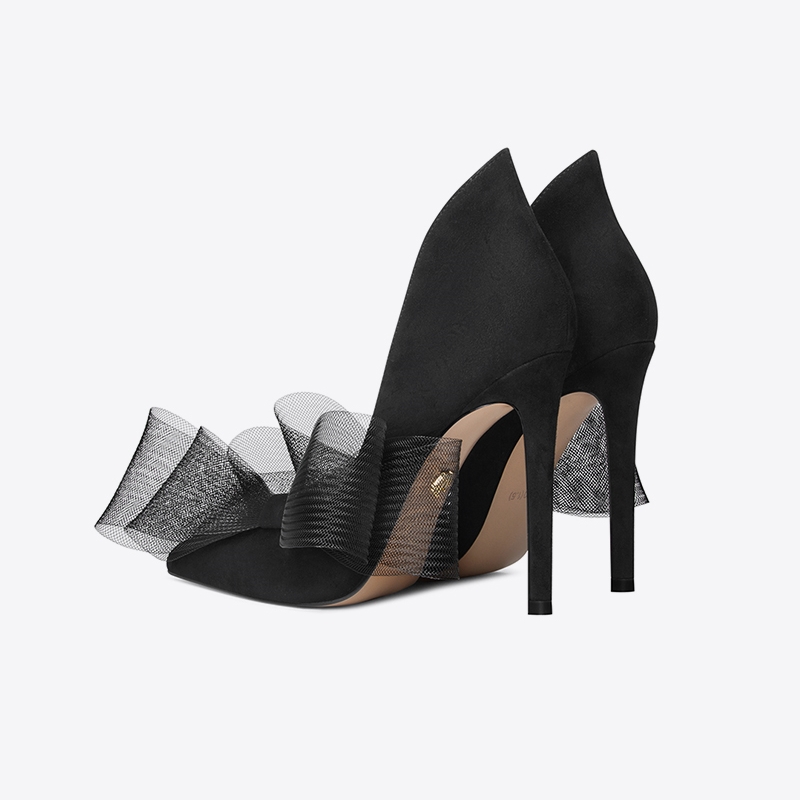
Womens Casual Shoes Manufacturers Ahead of the Curve More Than a Supplier - A Partner
As the market for women's casual shoes evolves, manufacturers are becoming partners who help brands move faster, reduce risk, and stand out through collaboration. A forward-thinking producer translates design intent into scalable production, offering design support, material sourcing options, rapid prototyping, and rigorous quality control across facilities. From trend spotting and sample development to colorways and size ranges, they align capabilities with your go-to-market strategy. Global buyers seeking reliability should look for co-creation ability, scalable capacity, MOQ flexibility, and data-driven quality assurance. A true partner provides capacity planning, online project tracking, clear escalation paths, and post-launch support, plus certifications and responsible sourcing. They embrace sustainable materials and processes to meet mounting ESG expectations. With such a partner, procurement becomes strategic collaboration, delivering predictable lead times, competitive pricing, and consistent product quality across markets.
| Dimension | Scope / Region | Current Value | Notes |
|---|---|---|---|
| Global Market Size (Women’s Casual Shoes) | Global | USD 67.5 Billion | Estimated 2023–2024; source: industry reports |
| 5-Year CAGR | Global | 3.6% | Compound annual growth rate for the market |
| Average Production Capacity per Factory | Global | 1.4 Million pairs/year | Average across surveyed facilities |
| Lead Time for New Styles | Global | 4.5 weeks | Typical development to delivery cycle |
| Certifications Held (Count) | Global | 5 | ISO 9001, ISO 14001, BSCI, SEDEX, WCA (examples) |
| Material Mix | Global | Leather 28%, Synthetic 35%, Textile 22%, Other 15% | Based on supplier surveys 2022–2024 |
| Regional Manufacturing Share | Asia 72%, Europe 11%, Americas 10%, Others 7% | 72% / 11% / 10% / 7% | Share of manufacturing facilities by region |
| Sustainability Score | Global | 68 | Composite score (0–100) based on energy use, waste, and compliance |
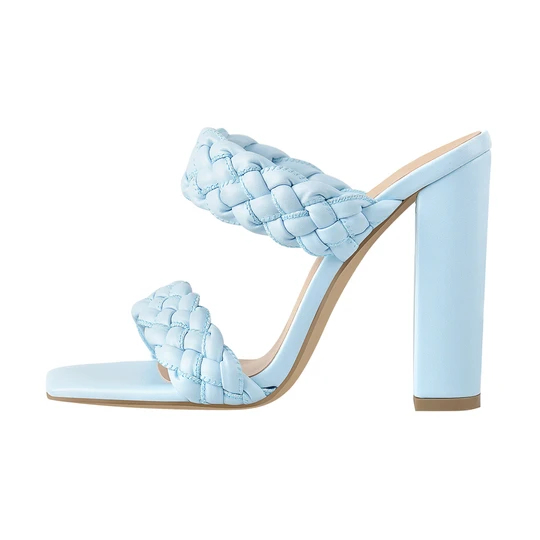
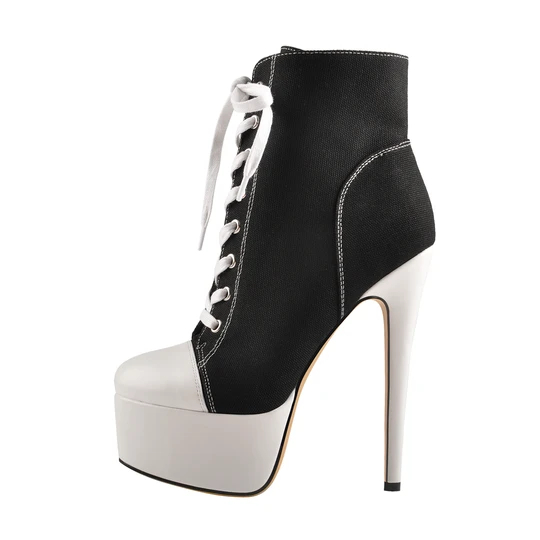
Related Products
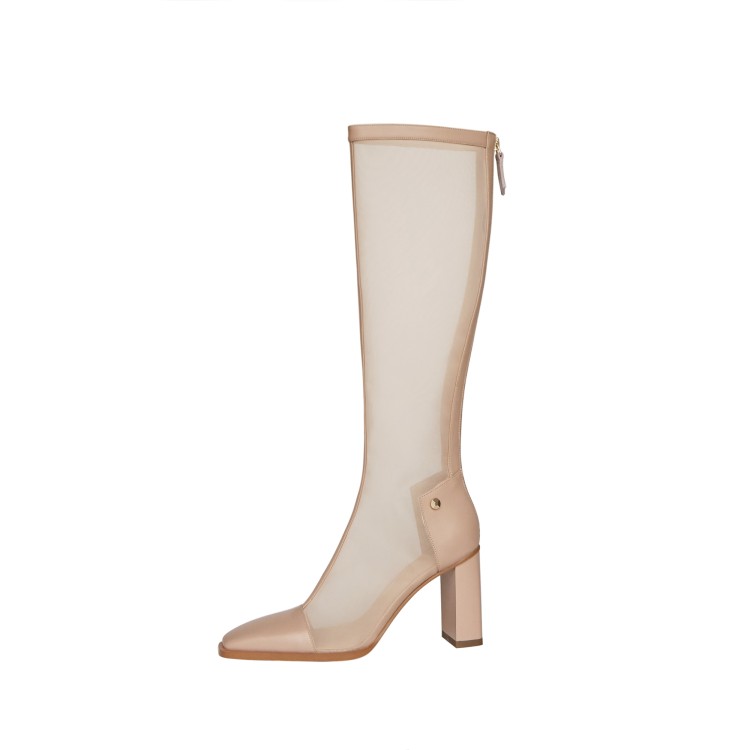
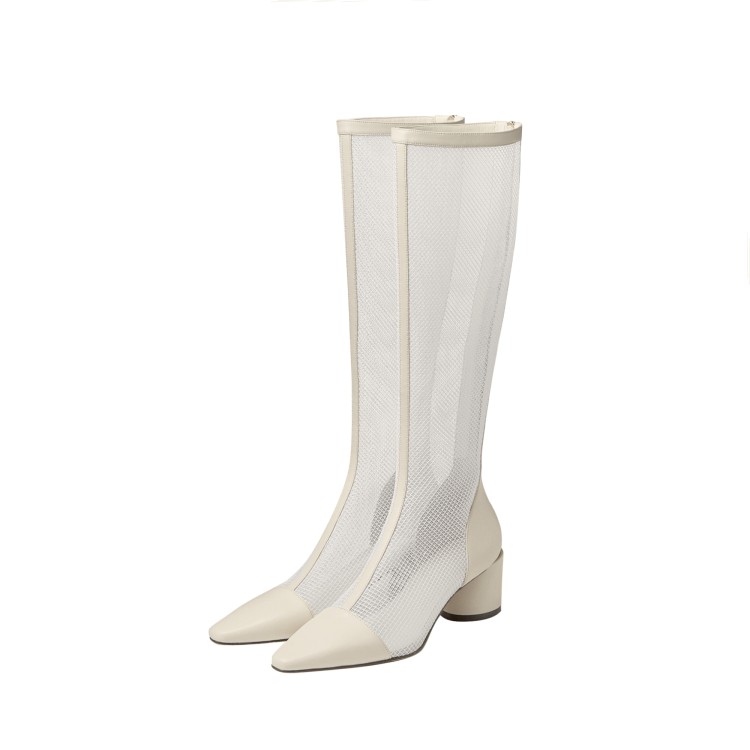


Womens Casual Shoes Manufacturers For the Current Year Leads the Global Market
Top Selling Products

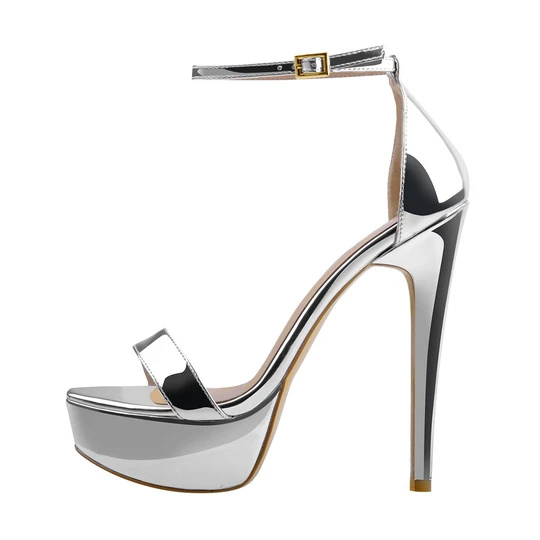
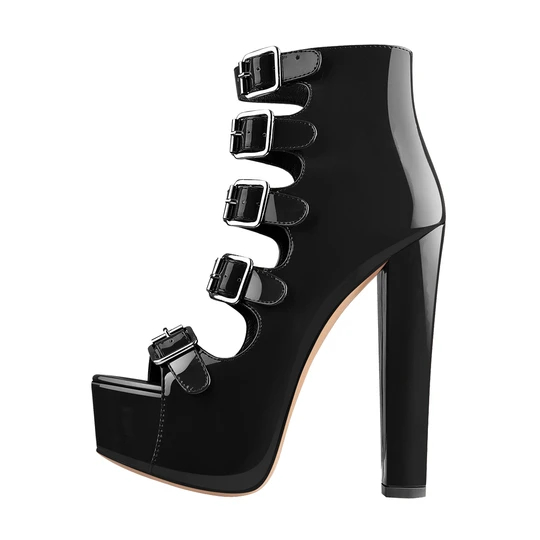


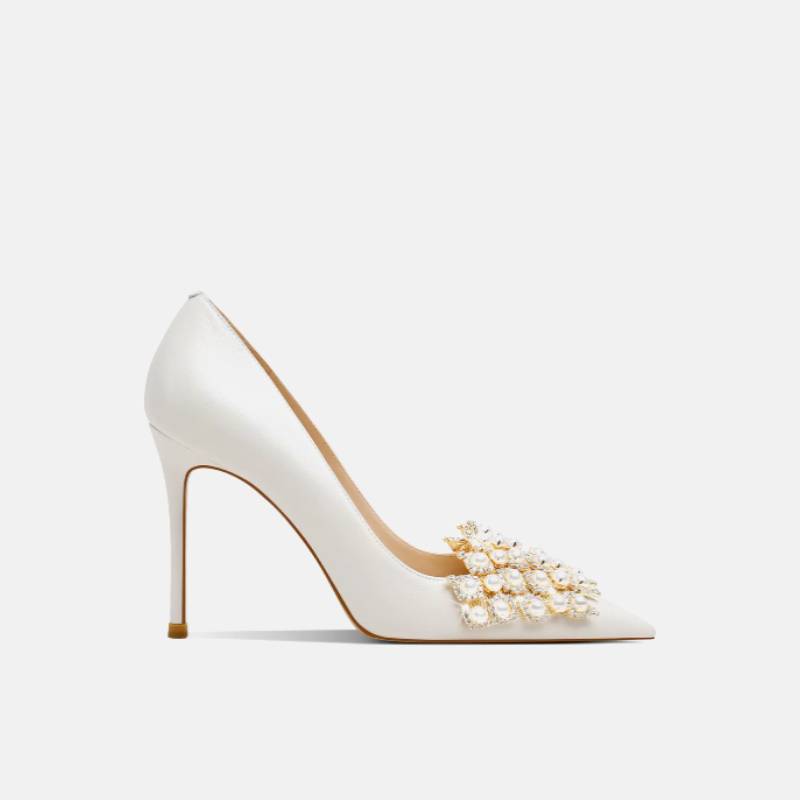
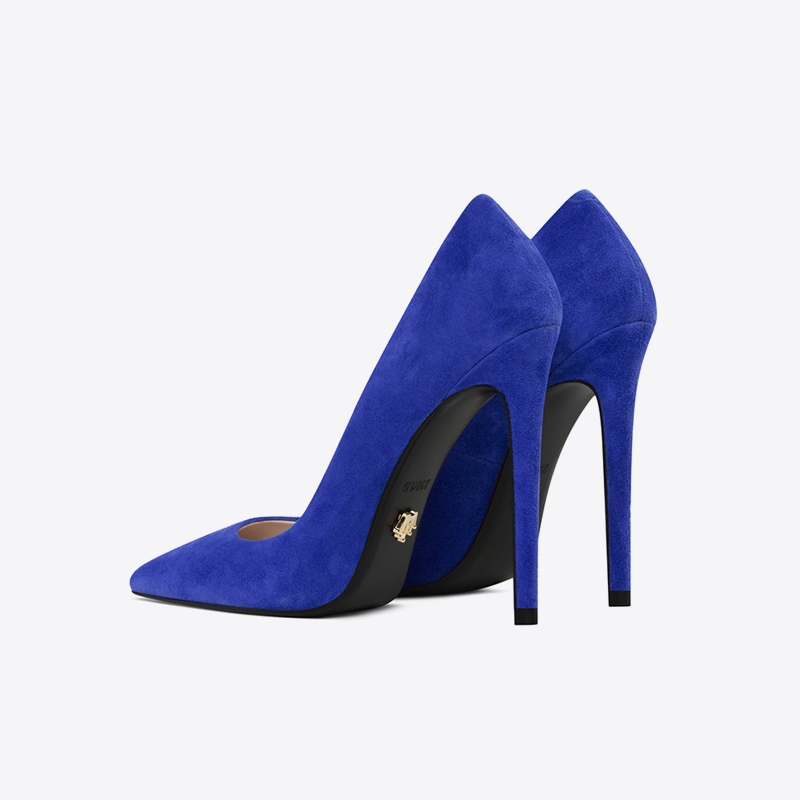

- Related Blog
- Reviews
- Reviews
