
Ladies Handbag Manufacturers - Wholesale & Manufacturer Directory
As one of the {Ladies Handbag Manufacturers}, I craft stylish, durable totes, satchels, and clutch sets with ethically sourced leather, vegan materials, and modern hardware. For {Wholesale} buyers, I offer flexible MOQs, scalable production, and private labeling options, so you can grow your brand without sacrificing margins. We are proud to be a dependable {Manufacturer} partner—tight QA, rapid sampling, and transparent lead times. From design consultation to bulk shipment, I work closely with retailers and distributors to meet seasonal trends and demand spikes. Our factory uses ERP-tracking, ensures traceability, and reduces rework. Custom logos, colorways, and packaging are available, with competitive pricing for long-term contracts. If you're seeking a trusted supply chain with consistent quality, I invite you to discuss your catalog, quantities, and delivery windows. Together we can turn bulky orders into smooth, profitable business relationships.


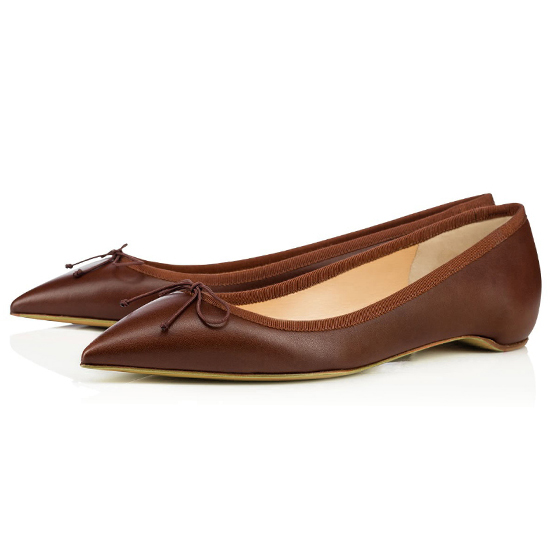
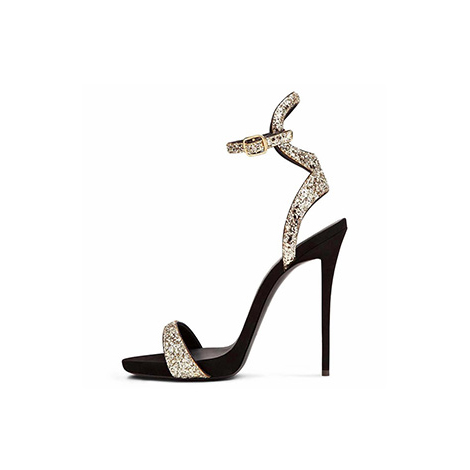
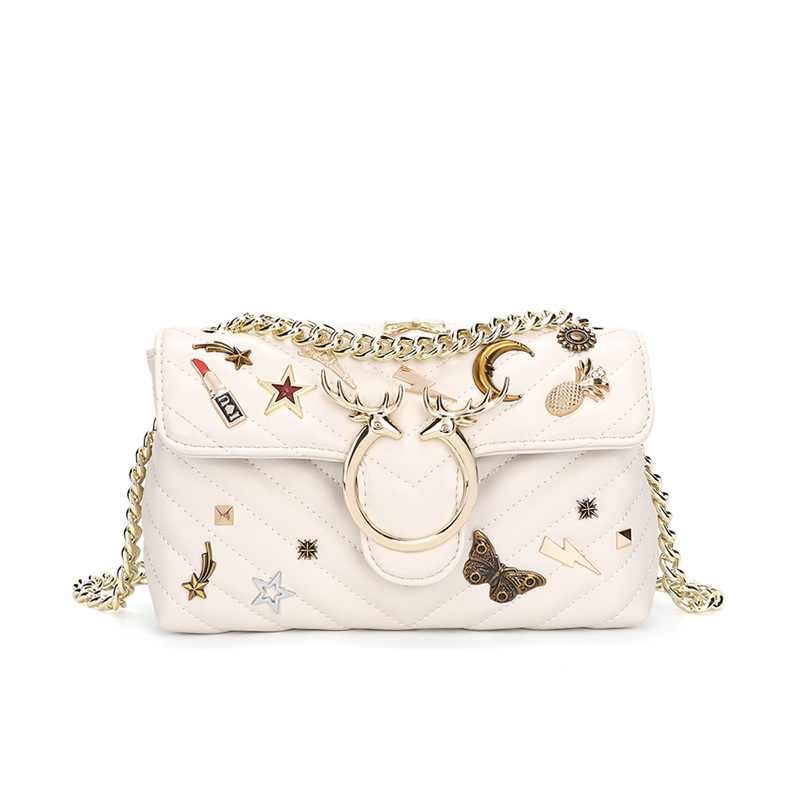
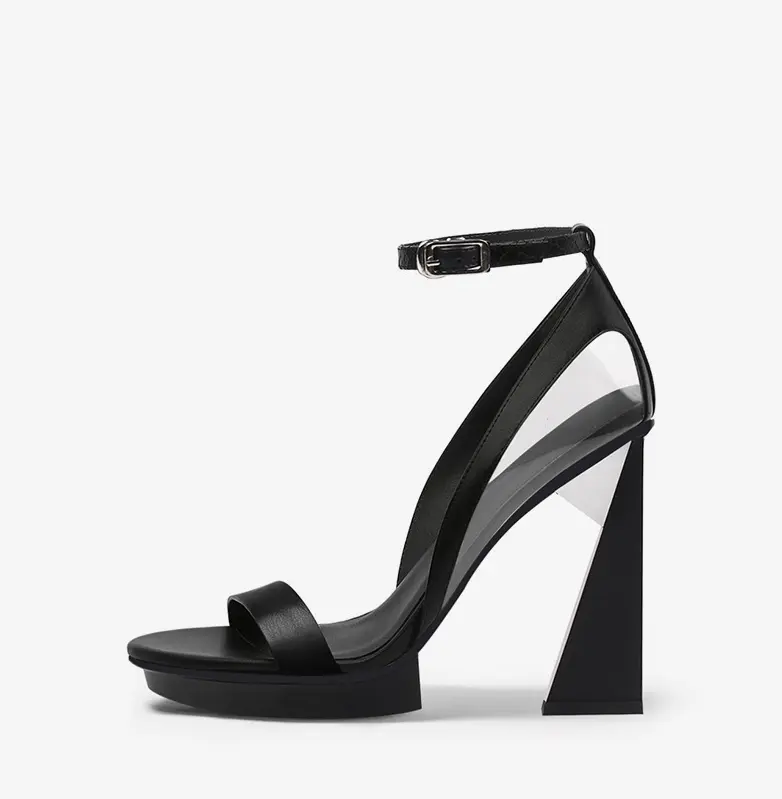
Ladies Handbag Manufacturers Delivers Unmatched Quality Custom Solutions,
As a Chengdu-based fashion accessories manufacturer, we deliver ladies’ handbags with unmatched quality and precise craftsmanship. From premium leathers and durable synthetics to hardware, zippers, and linings, each component is chosen for performance and feel. Our design and engineering teams convert concepts into production-ready specs, offering customization across size, silhouette, material, color, stitch pattern, hardware finish, interior layout, and branding placement, all backed by rigorous quality checks at every stage. Global procurement teams value our end-to-end service: rapid sampling, transparent lead times, scalable production, and reliable on-time delivery. We emphasize ethical sourcing, sustainable materials, and strict compliance, ensuring consistent results across batches. With a dedicated project manager and a robust supplier network, we turn ideas into market-ready products that meet diverse regional standards, helping buyers reduce risk and accelerate time to shelf worldwide.
Ladies Handbag Manufacturers Delivers Unmatched Quality Custom Solutions
| Region | Facility ID | Annual Production Capacity (units) | Lead Time (days) | Defect Rate (%) | Main Materials Used | Customization Level | Quality Certifications | On-Time Delivery Rate (%) | Average Order Size (units) | Factory Size (sqm) | Employees |
|---|---|---|---|---|---|---|---|---|---|---|---|
| Asia-Pacific | A1 | 1,250,000 | 28 | 0.8 | Leather, Nylon, Hardware | High | ISO 9001, ISO 14001 | 98.5 | 1,500 | 120,000 | 2,100 |
| Europe | E2 | 900,000 | 32 | 0.9 | Vegan Leather, Canvas | Medium | ISO 9001 | 97.8 | 900 | 90,000 | 1,600 |
| North America | N3 | 750,000 | 30 | 0.7 | Leather, Microfiber | High | ISO 9001, BSCI | 99.2 | 1,100 | 75,000 | 1,200 |
| Latin America | L4 | 420,000 | 36 | 1.0 | Fabric, Leatherette | Medium | ISO 9001 | 95.6 | 600 | 40,000 | 700 |
| Middle East & Africa | M5 | 300,000 | 40 | 1.2 | PU Leather, Canvas | Low | ISO 9001 | 96.3 | 450 | 30,000 | 450 |
Related Products
Ladies Handbag Manufacturers Application Sets the Industry Standard
Top Selling Products


- Related Blog
- Reviews
- Reviews
