
Vegan Ballet Flats: Wholesale & Manufacturer Options
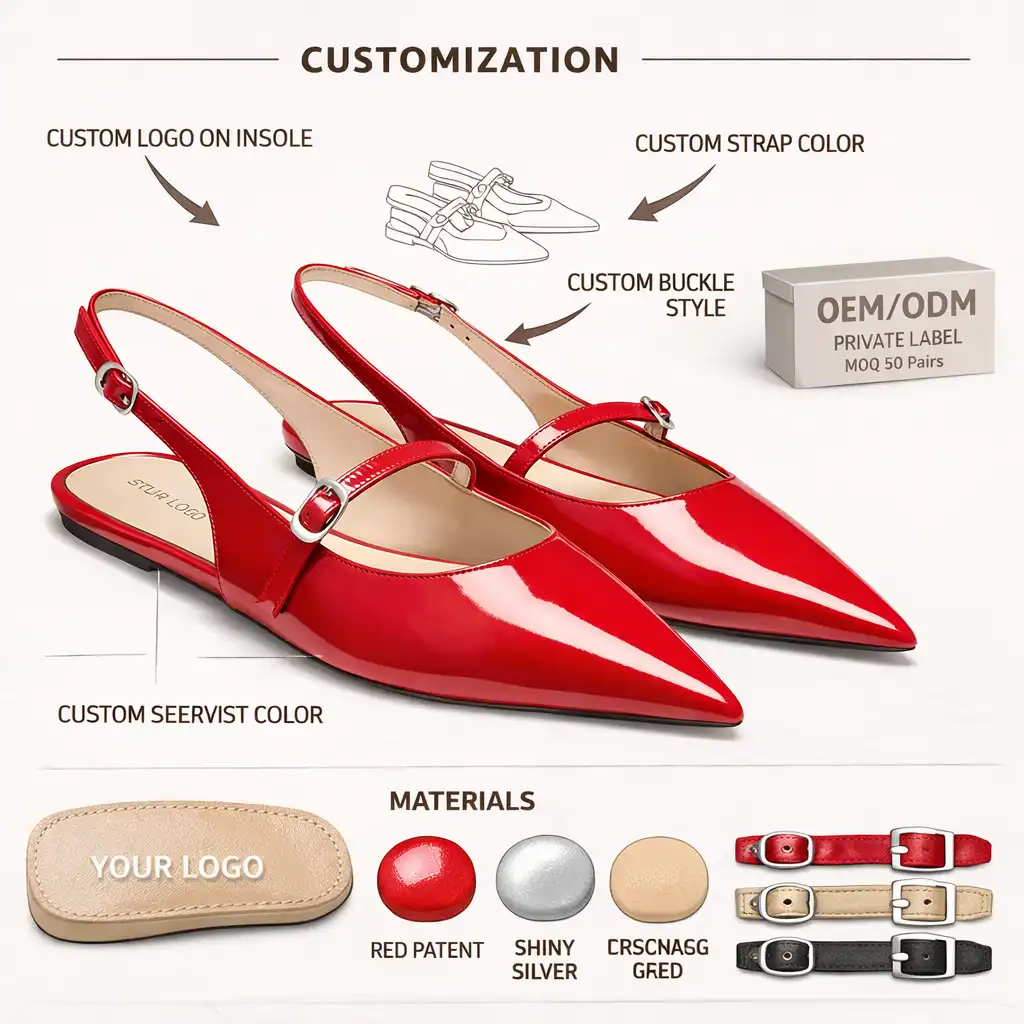
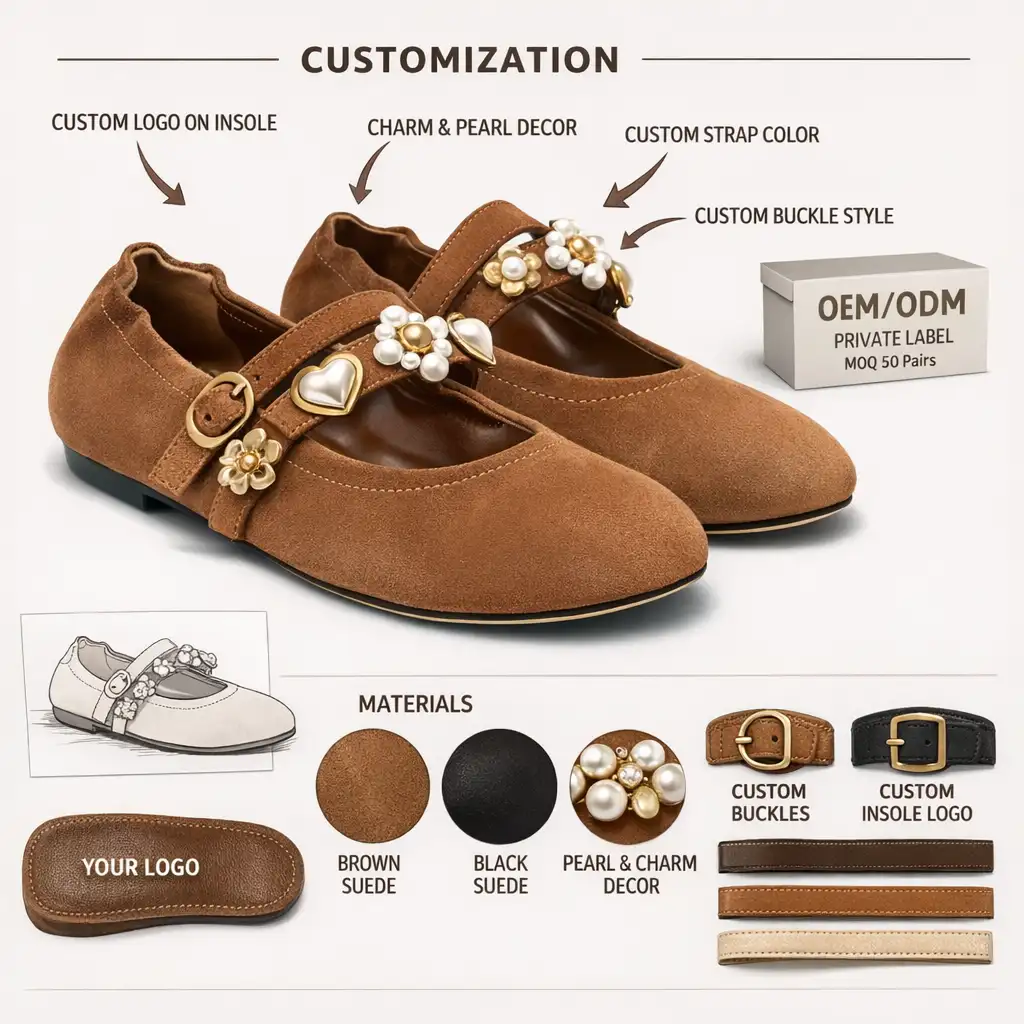
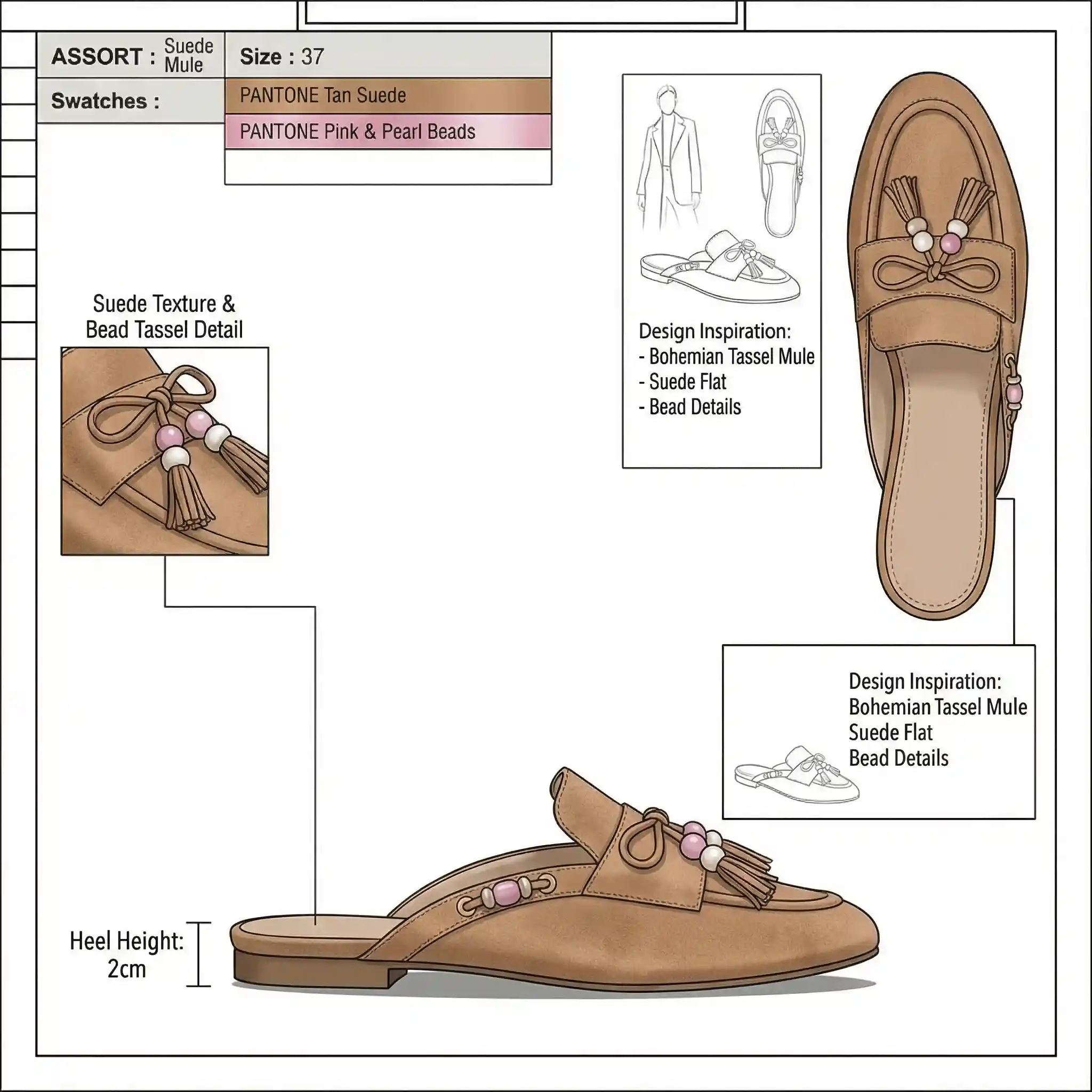
We bring Vegan Ballet Flats from our studio to your shelves, pairing cruelty-free materials with everyday comfort. As a Wholesale Manufacturer, I partner with retailers and distributors who demand consistent quality, scalable supply, and reliable lead times. Our Vegan Ballet Flats use a vegan upper, breathable lining, cushioned insole and a flexible non-slip outsole, built for all-day wear. We offer competitive bulk pricing, MOQ-friendly options, and private labeling or branding for your store. Tell me your colorways and sizes, and I’ll tailor production to fit your market. Every pair is inspected before packaging to ensure you receive ready-to-sell inventory.


Vegan Ballet Flats Supplier Service Backed by Expertise
Global buyers seeking vegan ballet flats can rely on a supplier with deep expertise in material science, ethical manufacturing, and global logistics. A robust vegan program uses certified plant-based uppers, non-toxic adhesives, and cruelty-free linings, with lab-tested colorfastness and wear resistance. Transparent traceability from material to finished pair enables verification of vegan status and environmental compliance, ensuring consistent fit and appearance across styles and regions. To support global buyers, the service provides dedicated program management, flexible sampling, scalable production, and adaptable MOQs. Early design collaboration and rapid prototyping shorten lead times, while rigorous QC and third-party certifications ensure compliance. Real-time updates track orders from start to finish, aiding regulatory and retailer requirements. Packaging options, sustainable materials, and ethical labor practices help brands align vegan footwear with sustainability goals and reliable delivery.
{ Vegan Ballet Flats Supplier Service Backed by Expertise }
| Region | Upper Material | Lining Material | Outsole Material | Production Capacity (pairs/day) | Lead Time (days) | Certifications | Sustainability Score | Water Use (L per pair) | Waste Reduction (%) | Return Policy (days) |
|---|---|---|---|---|---|---|---|---|---|---|
| Europe | Canvas (organic cotton) | Mushroom leather (mycelium) | Recycled rubber | 1,500 | 14 | OEKO-TEX 100; Vegan Society Approved | 87 | 12 | 58 | 30 |
| North America | Lyocell knit | Coconut fiber blend | Recycled EVA | 900 | 21 | OEKO-TEX 100; Vegan Approved | 82 | 8 | 62 | 30 |
| Asia-Pacific | Plant-based microfiber | Organic cotton | Natural rubber + EVA | 2,100 | 12 | FSC CoC; Vegan Certification | 91 | 6 | 70 | 45 |
| Europe | Hemp blend canvas | Recycled polyester blend | Recycled rubber | 1,200 | 18 | Vegan Approved; REACH | 84 | 9 | 65 | 30 |
| North America | Mushroom leather substitute | Jute blend | Cork composite | 600 | 25 | OEKO-TEX 100; Vegan Certification | 76 | 7 | 50 | 30 |
| Europe | Recycled denim fabric | Pea protein-based lining | Recycled rubber | 1,100 | 15 | OEKO-TEX 100; REACH | 88 | 5 | 68 | 60 |
Related Products


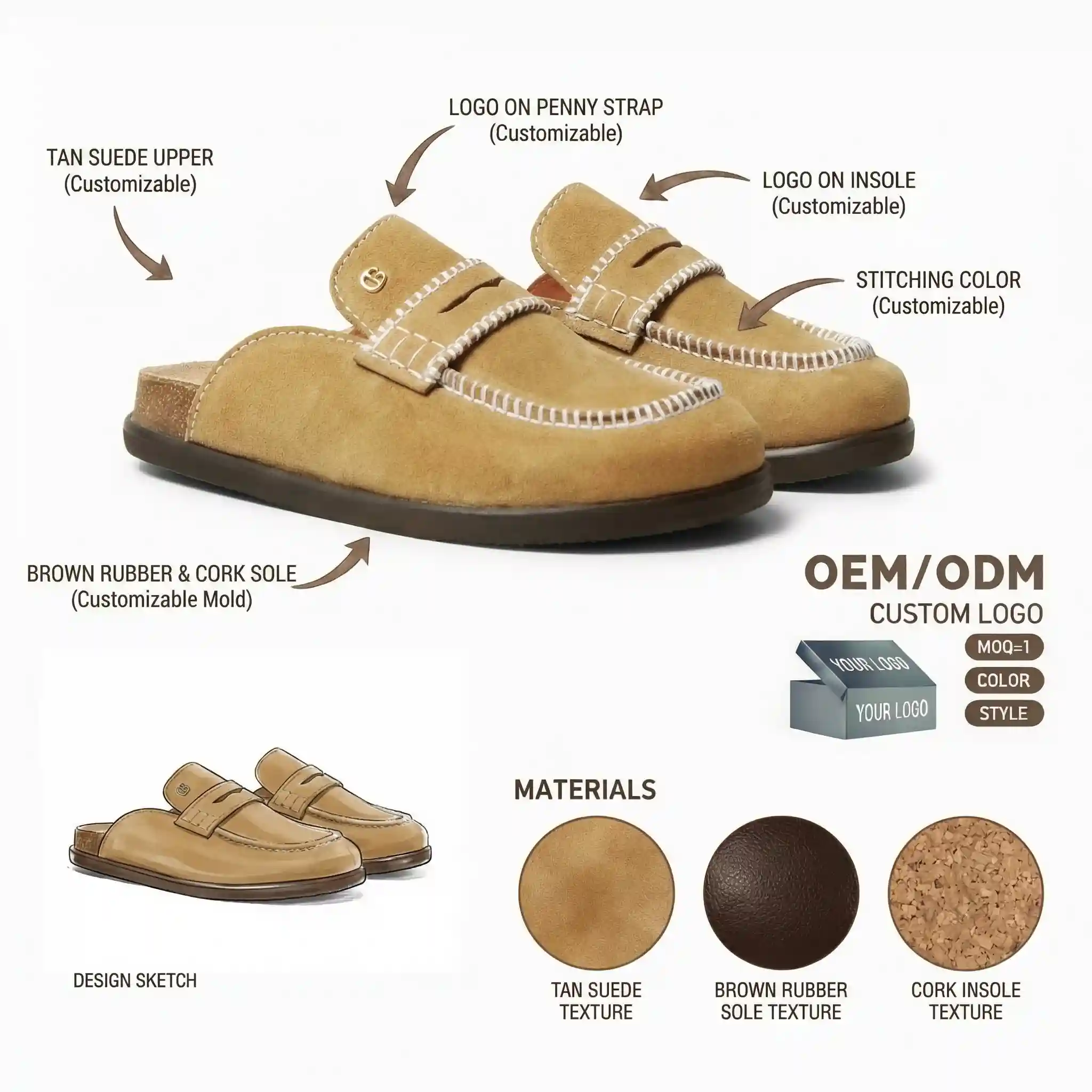
Vegan Ballet Flats in 2025 Supplies the World\u2019s Top Brands
Top Selling Products




- Related Blog
- Reviews
- Reviews
