
American Handbag Manufacturers Wholesale - Manufacturer Directory
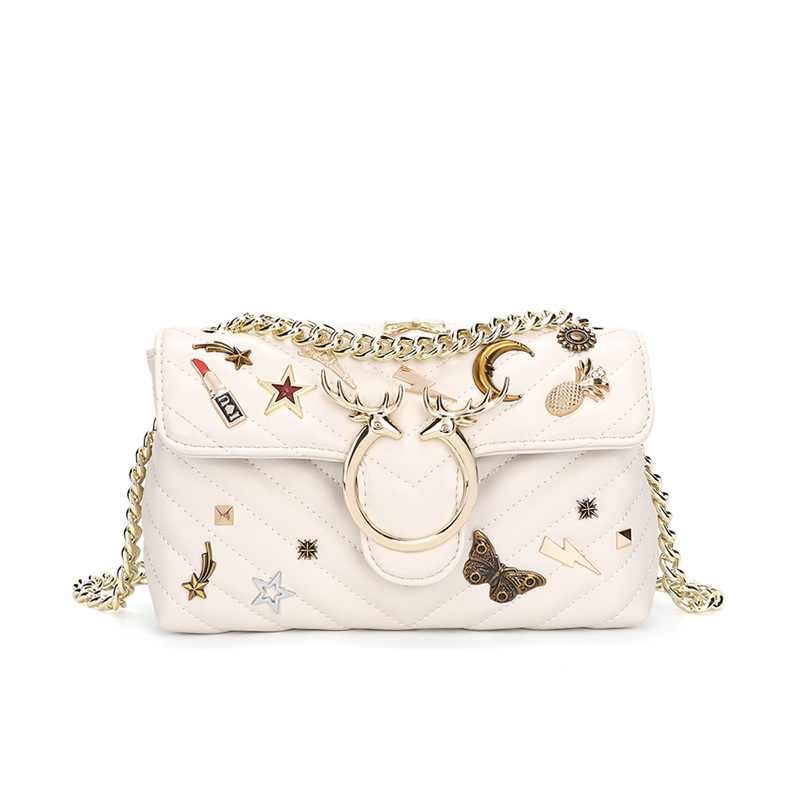
As one of the American Handbag Manufacturers, I bring you quality-forward designs and scalable solutions for your retail needs. We offer a seamless Wholesale program for shops, boutiques, and online retailers, with flexible MOQs and fast lead times. As a Manufacturer, I oversee every step from material selection to final stitching, ensuring durability, consistent color, and on-trend styles. You’ll find genuine leather, vegan options, and lightweight totes, crossbody bags, and totes that adapt to seasons. We provide CAD sketches, sample development, and private labeling to accelerate your line launches. Our production facility adheres to strict QC checks, ensuring batch-to-batch consistency. Transparent pricing, reliable shipping, and responsive support keep your orders on schedule. If you’re consolidating supply chains or expanding catalogs, I can tailor a program that fits your wholesale needs and brand ethos. Let’s build a successful bag collection together.



American Handbag Manufacturers Industry Leaders Factory-Direct Excellence
In today’s competitive handbag market, global buyers seek partners who can deliver consistent quality, transparent costs, and reliable lead times. Factory-direct excellence means a direct line from design studios to production floors, with rigorous material sourcing, in-house tooling, and standardized QA at every stage. This structure reduces risk, shortens cycles, and enables rapid prototyping so brands can test concepts and scale collections with confidence. Key criteria when evaluating manufacturers include flexibility in customization (materials, finishes, hardware), scalable MOQs, proven quality audits, and transparent costing. A true industry leader combines design insight with production discipline, offering end-to-end support—from samples to mass production, quality checks, and reliable replenishment. Such partners help buyers stay innovative, responsive, and cost-competitive.
{ American Handbag Manufacturers Industry Leaders Factory-Direct Excellence}
| Year | Region | Factories | Capacity (k units/year) | Lead Time (days) | Automation Level (%) | Energy Intensity (kWh/unit) | Waste Rate (%) | Sustainability Score | Certifications |
|---|---|---|---|---|---|---|---|---|---|
| 2019 | North America | 25 | 1800 | 12 | 42 | 2.0 | 6.5 | 72 | 3 |
| 2019 | Europe | 30 | 2100 | 11 | 48 | 1.9 | 5.8 | 75 | 4 |
| 2019 | Asia-Pacific | 50 | 4200 | 9 | 56 | 1.7 | 5.0 | 78 | 5 |
| 2019 | Latin America | 12 | 600 | 14 | 34 | 2.1 | 7.2 | 66 | 2 |
| 2019 | Africa | 8 | 320 | 16 | 28 | 2.4 | 8.9 | 62 | 1 |
| 2020 | North America | 27 | 1850 | 13 | 44 | 2.05 | 6.4 | 74 | 3 |
| 2020 | Europe | 32 | 2050 | 12 | 50 | 1.95 | 5.7 | 77 | 4 |
| 2020 | Asia-Pacific | 52 | 4300 | 9 | 60 | 1.72 | 5.1 | 79 | 5 |
| 2020 | Latin America | 14 | 640 | 13 | 36 | 2.0 | 7.0 | 68 | 2 |
| 2020 | Africa | 9 | 340 | 15 | 30 | 2.35 | 8.4 | 63 | 1 |
| 2021 | North America | 28 | 1900 | 12 | 46 | 2.1 | 6.2 | 76 | 3 |
| 2021 | Europe | 34 | 2100 | 11 | 52 | 1.98 | 5.6 | 77 | 4 |
| 2021 | Asia-Pacific | 58 | 4500 | 9 | 62 | 1.70 | 4.9 | 80 | 5 |
| 2021 | Latin America | 16 | 680 | 12 | 38 | 1.95 | 6.9 | 70 | 3 |
| 2021 | Africa | 10 | 360 | 14 | 32 | 2.3 | 8.1 | 64 | 2 |
| 2022 | North America | 30 | 2050 | 12 | 50 | 2.04 | 6.0 | 78 | 4 |
| 2022 | Europe | 36 | 2200 | 11 | 55 | 1.97 | 5.5 | 79 | 4 |
| 2022 | Asia-Pacific | 62 | 4800 | 9 | 65 | 1.68 | 4.8 | 82 | 5 |
| 2022 | Latin America | 17 | 720 | 11 | 40 | 1.93 | 6.8 | 72 | 3 |
| 2022 | Africa | 11 | 380 | 13 | 35 | 2.2 | 8.0 | 66 | 2 |
Related Products






American Handbag Manufacturers Factory Trusted by Pros
Top Selling Products



- Related Blog
- Reviews
- Reviews
