
Italian Boot Manufacturers - Wholesale & Manufacturer Directory
As one of the italian boot manufacturers, I stand behind every pair with pride. We serve Wholesale buyers and brand owners who demand consistent quality and reliable lead times. Being a Manufacturer with in-house tanning, last-fitting, and outsole production lets me control costs and speed up delivery. My boots feature premium full-grain leather, double-stitched welt construction, and weatherproof linings, built to endure on retail shelves or field jobs. For Wholesale orders I offer flexible MOQs, private labeling, and bulk colorways. Transparent pricing, steady supply, and on-time shipments are our commitments. I design and prototype with you in mind, offering samples, CADs, and accurate size charts to reduce returns. If you seek a partner who can scale with your growth, I’m the Manufacturer you can rely on. Let’s discuss volumes, lead times, and a tailored program that fits your market.

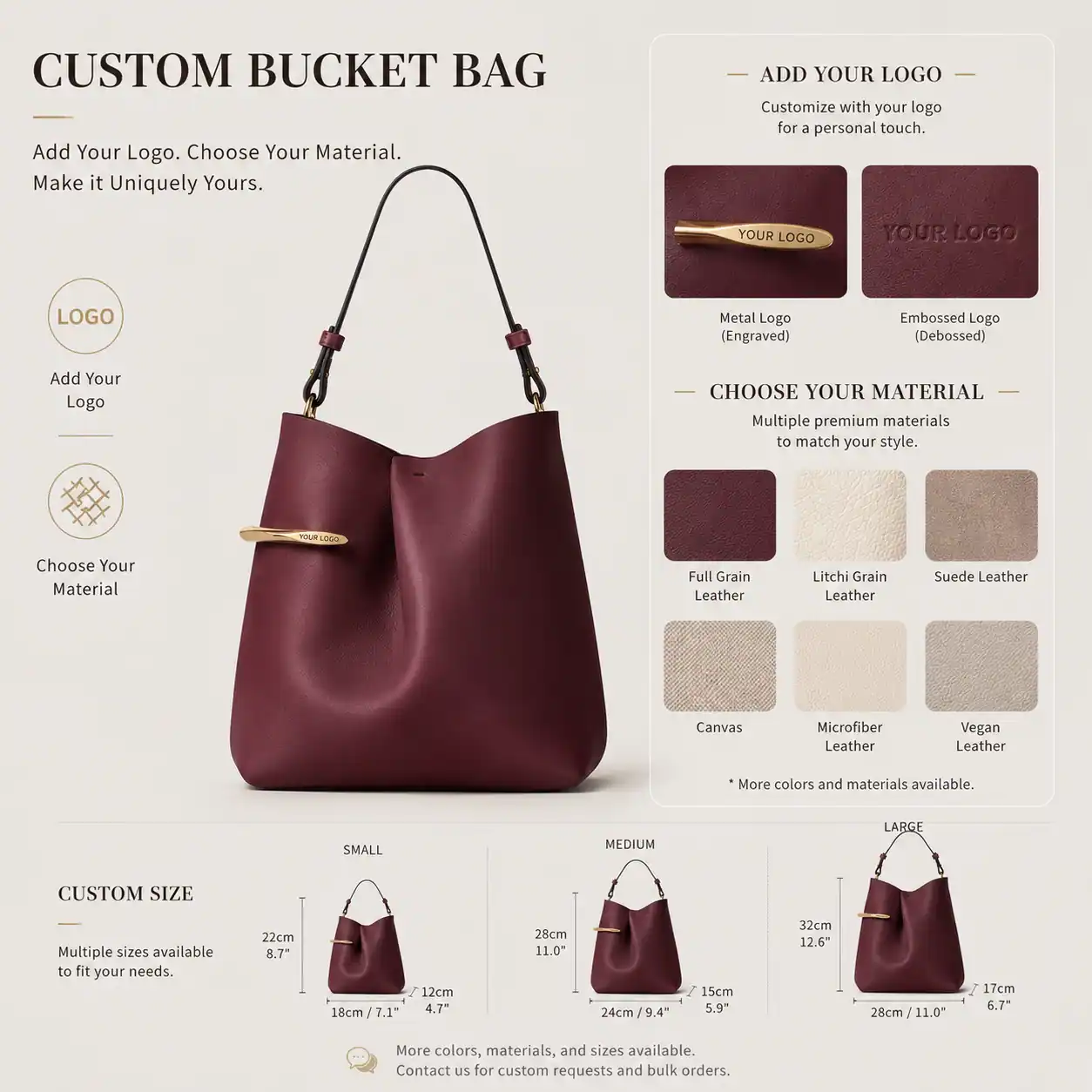
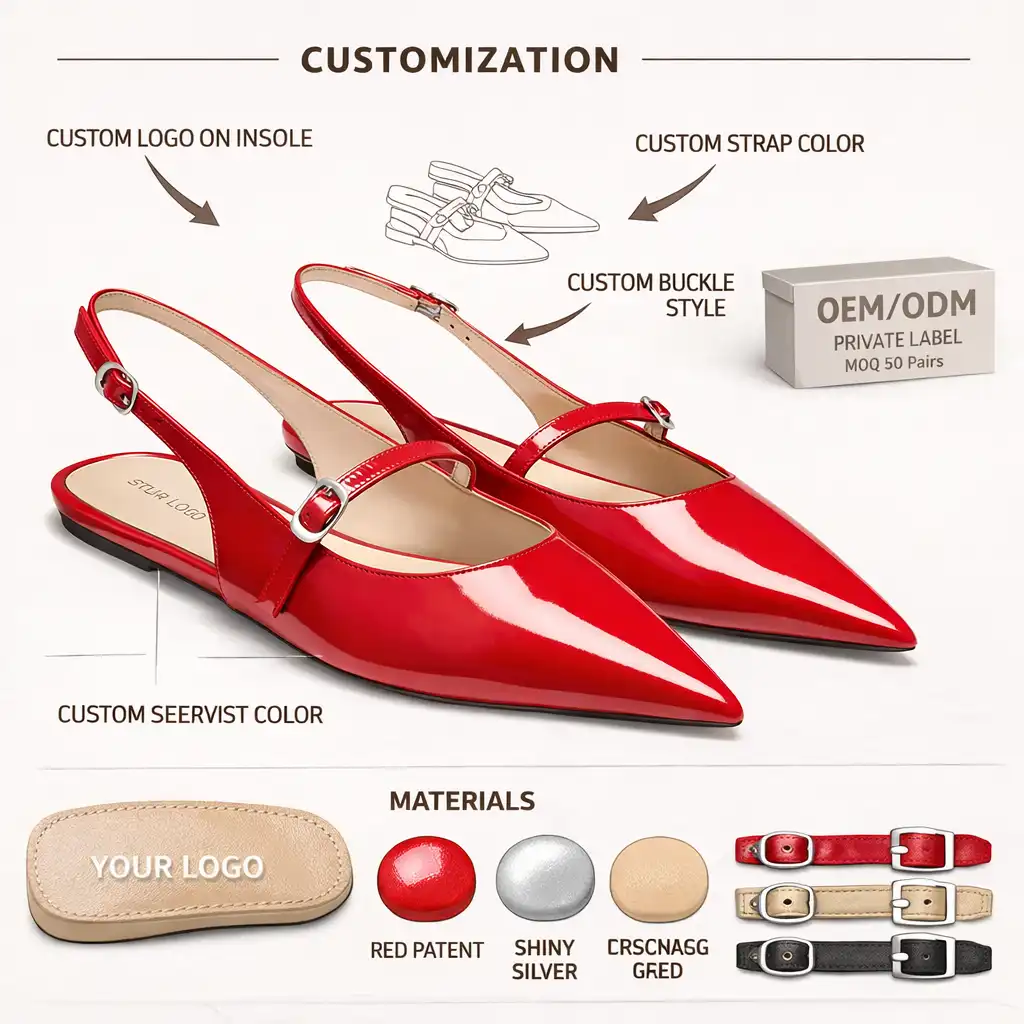
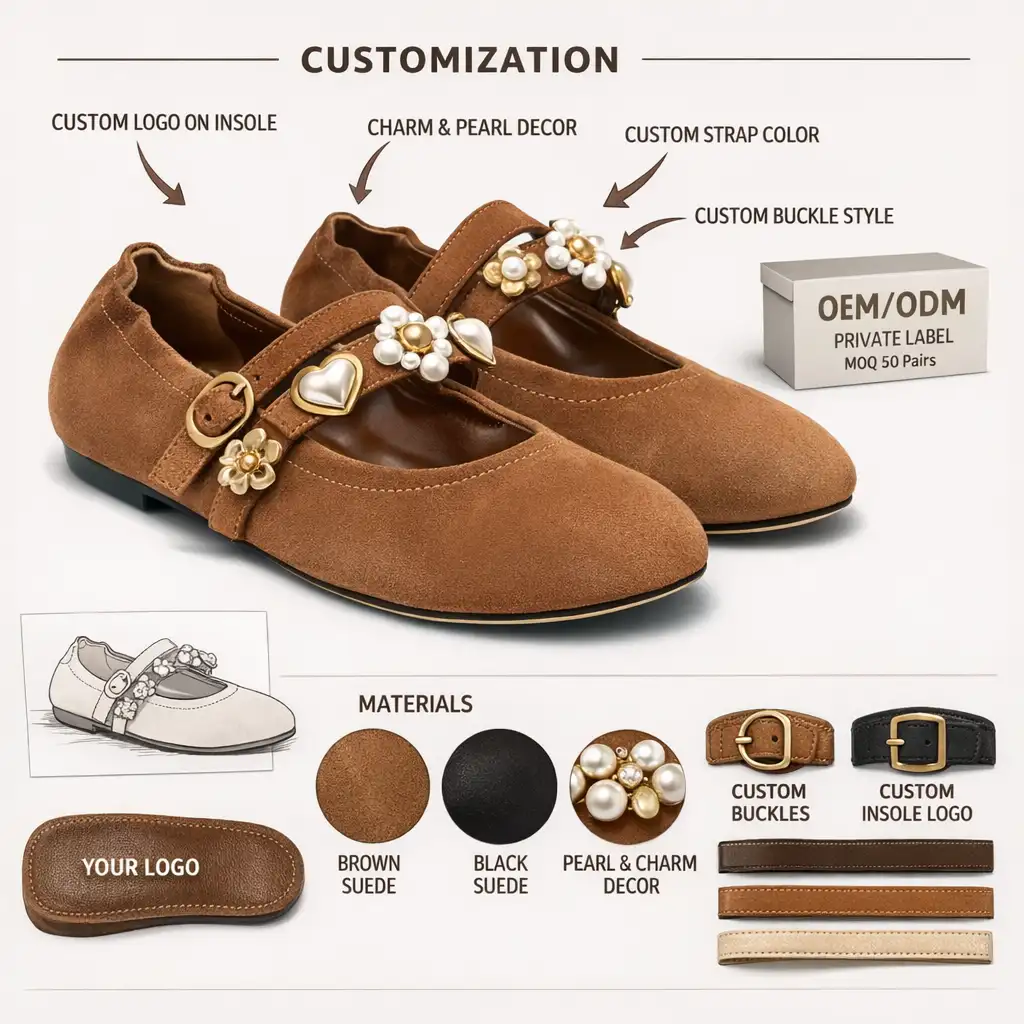
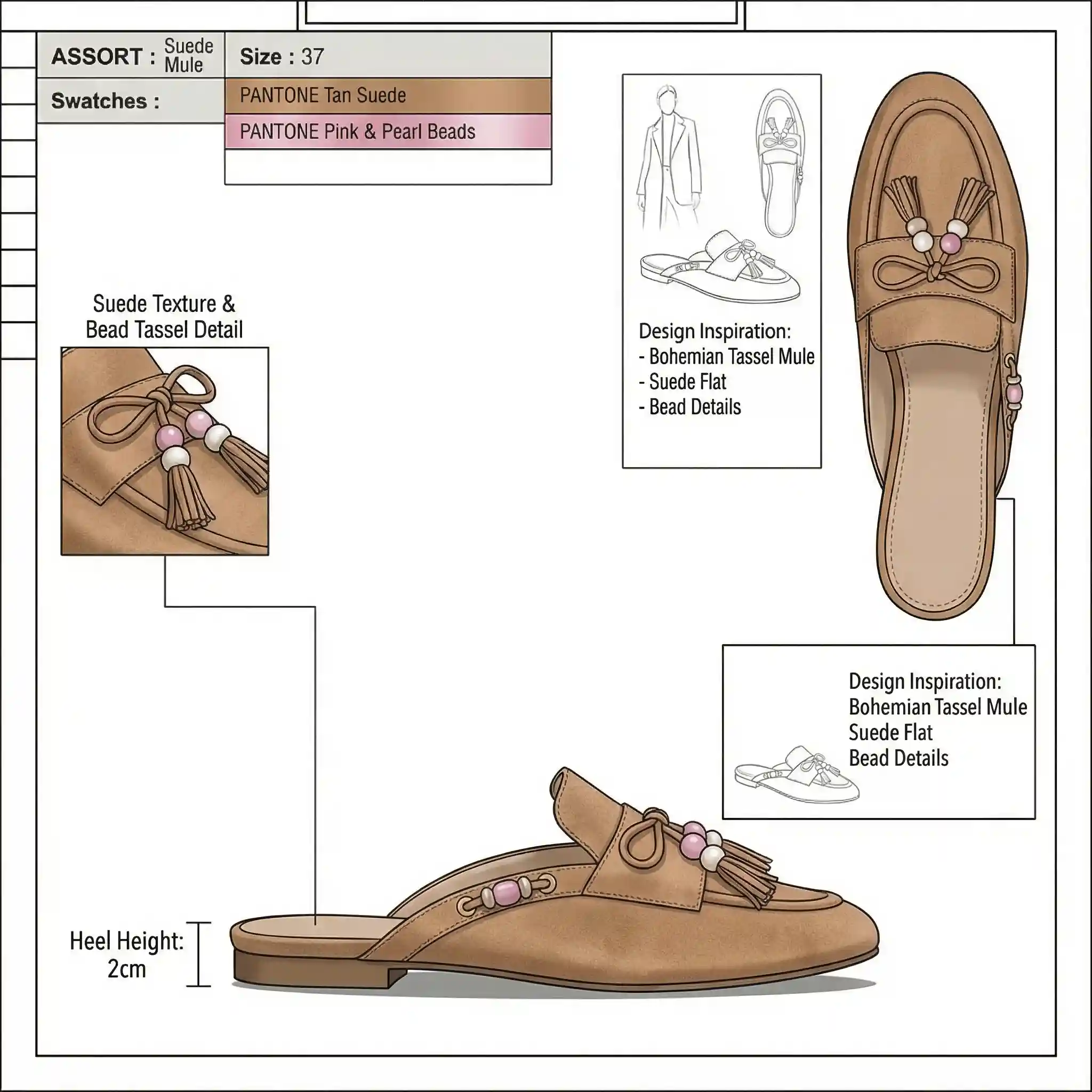
italian boot manufacturers Factory Ahead of the Curve
In the global boot market, factories that fuse heritage craft with modern practice stay ahead. Boot makers have long stood for precise last-fitting, strong leather, and weatherproof construction; today they pair that with digital tooling, lean production, and strict QC. The result is footwear that delivers comfort, durability, and consistent sizing at scale. For procurement teams, this means shorter development cycles, tighter spec control, and reliable capacity to meet rising demand without sacrificing quality. Buyers gain a partner who prototypes quickly, validates performance early, and ramps production with clear traceability. To emulate this edge, seek suppliers offering design collaboration, transparent sourcing, and sustainable practices. Seek traceable materials, responsible tanning, and ISO-level quality management. Prioritize factories with QA data, production monitoring, and flexible MOQs or mix-and-match options. Value-driven tests: waterproofing, slip resistance, and thermal comfort should be documented. A capable partner also supports efficient logistics, diversified sourcing, and strong after-sales service. By aligning with such manufacturers, buyers can shorten time-to-market, reduce risk, and deliver consistent, premium footwear across regions.
| Factory ID | City | Region | Establishment Year | Employees | Annual Production (pairs) | Automation Level | Renewable Energy (%) | Certifications | R&D Spend (% of revenue) | Lead Time (days) | Material Focus |
|---|---|---|---|---|---|---|---|---|---|---|---|
| 101 | Florence | Tuscany | 1985 | 320 | 650,000 | 4 | 60 | ISO 9001, ISO 14001 | 3.2 | 21 | Full-grain leather, Nubuck |
| 102 | Porto Sant'Elpidio | Marche | 1998 | 210 | 420,000 | 3 | 42 | ISO 9001 | 1.8 | 28 | Leather + suede |
| 103 | Biella | Piedmont | 1972 | 500 | 1,100,000 | 5 | 75 | ISO 9001, ISO 14001 | 4.1 | 16 | Full-grain leather, Nubuck |
| 104 | Arezzo | Tuscany | 1990 | 150 | 250,000 | 2 | 35 | ISO 9001 | 0.9 | 32 | Leather, uppers |
| 105 | Vigevano | Lombardy | 2005 | 280 | 520,000 | 3 | 50 | ISO 9001, ISO 14001 | 2.5 | 22 | Leather & rubber soles |
| 106 | Forlì | Emilia-Romagna | 2010 | 190 | 350,000 | 3 | 48 | ISO 9001 | 1.1 | 25 | Leather, microfiber |
Related Products


italian boot manufacturers Products Factory-Direct Excellence
Top Selling Products
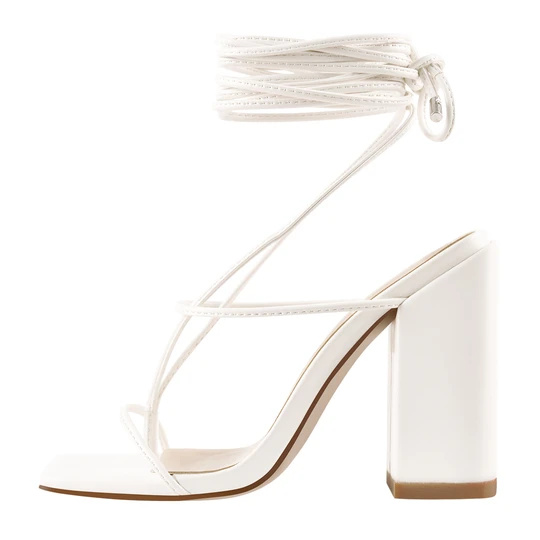

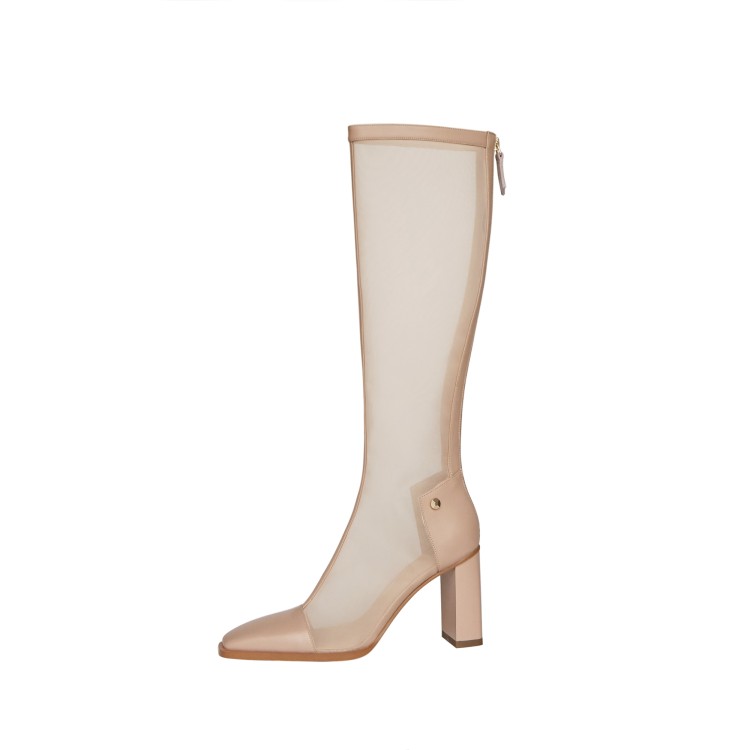
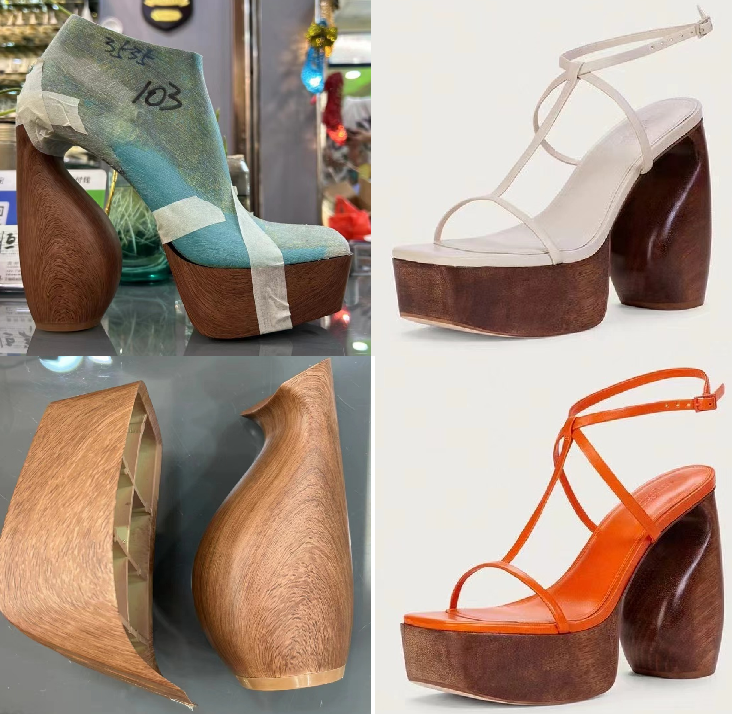

- Related Blog
- Reviews
- Reviews
