
Leather Products Manufacturer - Wholesale Leather Goods Manufacturer
I am a Leather Products Manufacturer, crafting durable and stylish goods for wholesale markets. I blend traditional craftsmanship with modern tooling to turn premium hides into wallets, belts, bags, and small leather items customers trust. As a Manufacturer, I offer OEM/ODM options, scalable production, and reliable lead times so wholesalers and distributors can plan confidently. You’ll find consistent color fastness, clean edge finishing, and strict quality control at every stage. I prioritize ethical sourcing and traceability, because solid supply chains matter. I provide competitive pricing, flexible MOQs, and batch customization to fit your brand. We can tailor leather types, hardware, stitching, and packaging to your catalog. With responsive service and short retooling times, I aim to be your go-to partner for sustained Wholesale growth. Tell me your volume, target markets, and design ideas, and I’ll craft a plan that fits your catalog and timeline.






Leather Products Manufacturer Market Leader For the Current Year
As a leading leather products manufacturer dominating the market this year, we deliver durable, stylish goods across footwear, bags, and accessories for global buyers. From raw hide selection and tanning to finishing, our vertically integrated operations ensure consistent quality and fast response times. We offer flexible MOQs, rapid prototyping, and end-to-end ODM/OEM services to bring concepts to market faster and with less risk. Our design support and in-house tooling translate ideas into competitive, reliable styles. Committed to responsible manufacturing, we align with global standards for social compliance, environmental stewardship, and product safety. We offer chrome-free or low-VOC finishing, traceable supply chains, and rigorous QC at every stage to minimize defects. With scalable capacity and proactive risk management, we guarantee on-time delivery and dependable logistics. Efficient sampling, private labeling, and certification support help buyers accelerate time-to-market while preserving brand integrity.
| Region | Market Share (%) | Revenue (USD billions) | Production Capacity (million units/year) | Export Share (%) | Employees (thousand) | Lead Time (days) | Sustainability Score | Defect Rate (%) | Primary Product Focus | Main Export Destinations |
|---|---|---|---|---|---|---|---|---|---|---|
| Asia Pacific | 42.5 | 52.5 | 90 | 60 | 185 | 20 | 87 | 0.95 | Leather goods, Footwear components | US, Japan, China |
| Europe | 28.0 | 35.0 | 50 | 50 | 110 | 22 | 92 | 1.20 | Luxury leather goods, Bags | US, UK, Germany |
| North America | 15.0 | 20.0 | 40 | 55 | 70 | 25 | 78 | 1.50 | Footwear and Accessories | Canada, Mexico, US |
| Latin America | 7.0 | 9.0 | 25 | 40 | 40 | 28 | 72 | 1.80 | Genuine leather jackets, Accessories | US, Brazil, Argentina |
| Middle East & Africa | 7.5 | 9.0 | 15 | 45 | 20 | 30 | 69 | 2.10 | Industrial leather products | Saudi Arabia, UAE, Egypt |
Related Products


Leather Products Manufacturer Pioneers in the Field Exceeds Industry Benchmarks
Top Selling Products


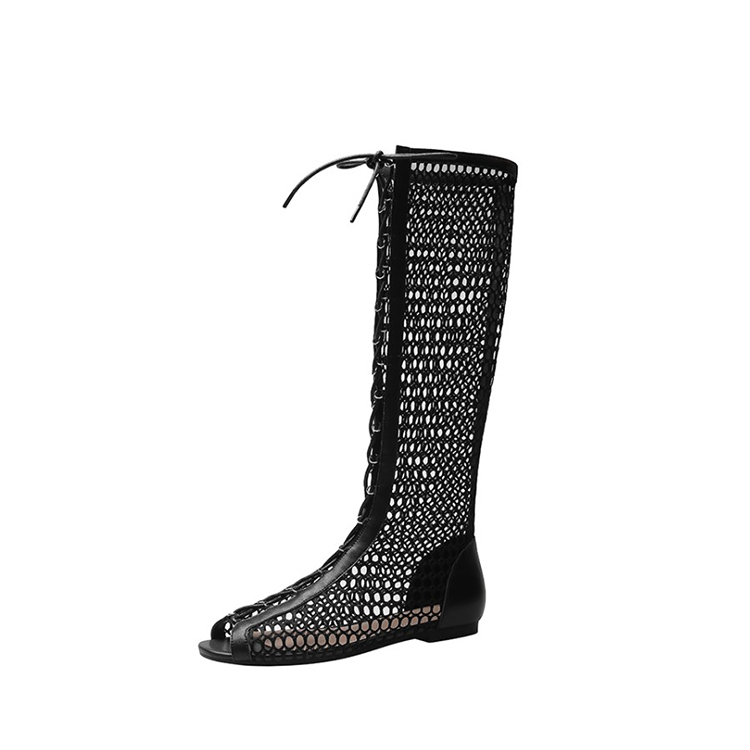
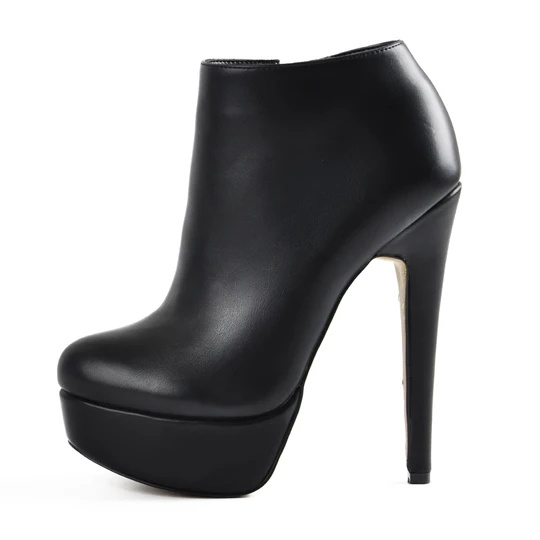

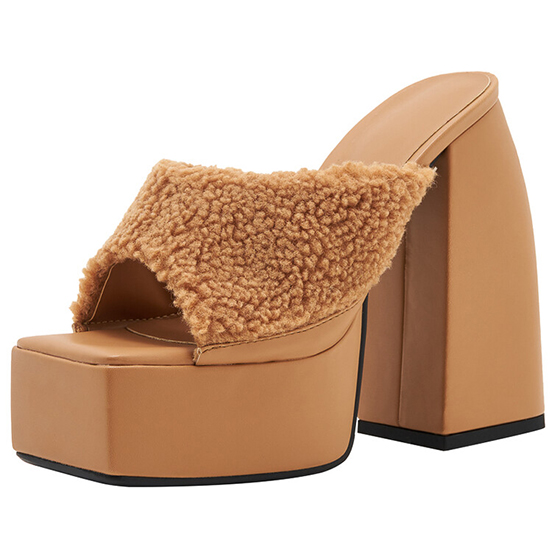

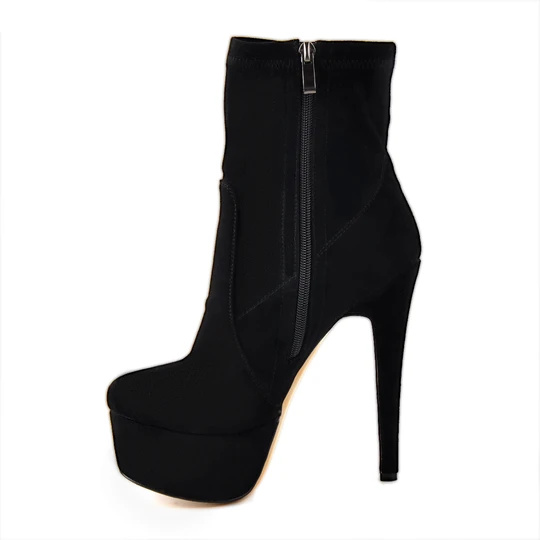
- Related Blog
- Reviews
- Reviews
