
Platform Shoes Wholesale Manufacturer | Bulk Source & Trusted Supplier
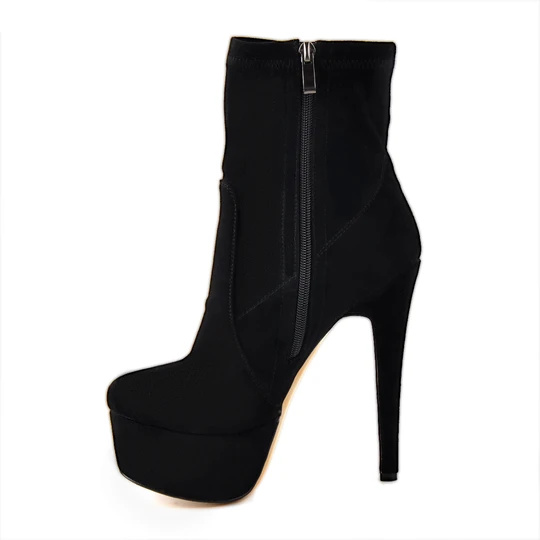
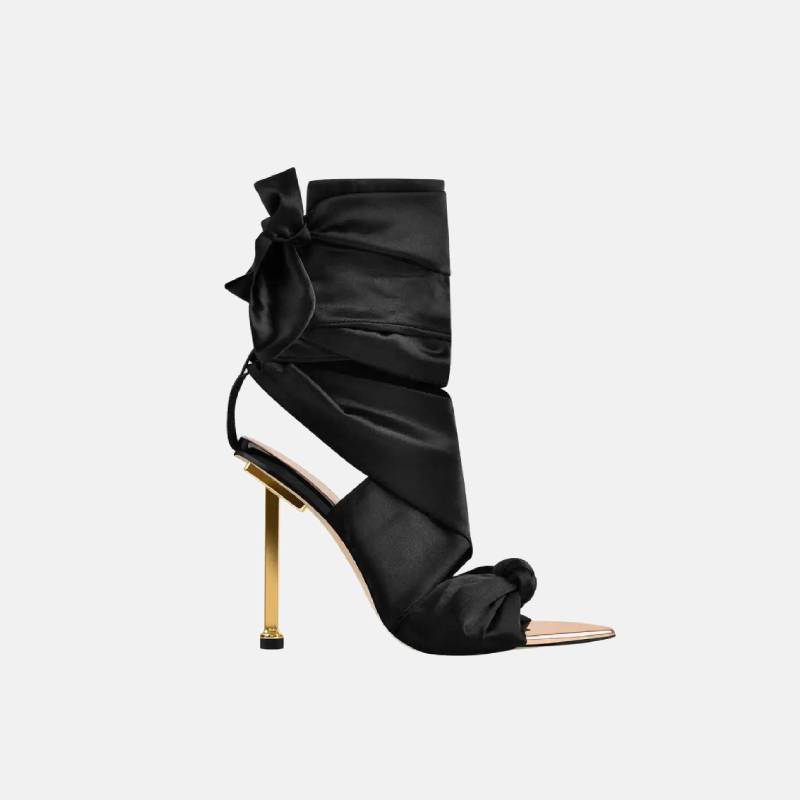
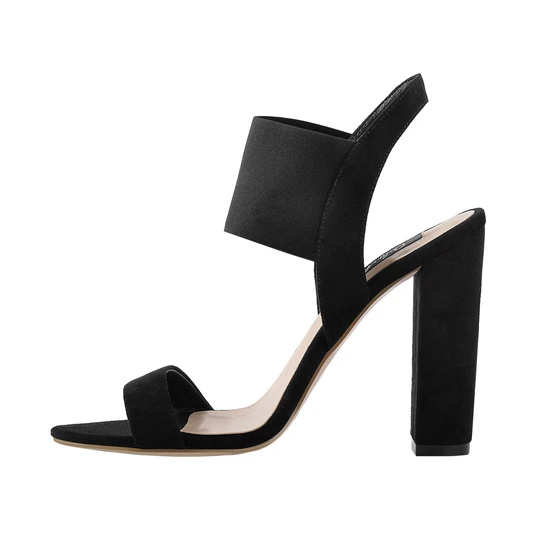
From my workshop to your catalog, Platform Shoes are built with comfort and style for busy teams. I’m focused on Wholesale orders and can tailor bulk runs to fit your store’s lineup. As a Manufacturer, I control the whole process—from design to packaging—so you get consistent sizing, durable uppers, and reliable lead times. We offer a range of heights, platform widths, anti-slip outsoles, and options like vegan leather or suede, with colorways that meet seasonal demand. MOQ is friendly, and I provide scalable production, fast samples, and private labeling if you need it. Quality checks happen at every stage, so what you receive is predictable and ready for resale. For B2B buyers, this direct-from-manufacturer advantage means better margins and fewer surprises. If you’re after steady supply of Platform Shoes, I’m here to discuss volume, customization, and timelines.
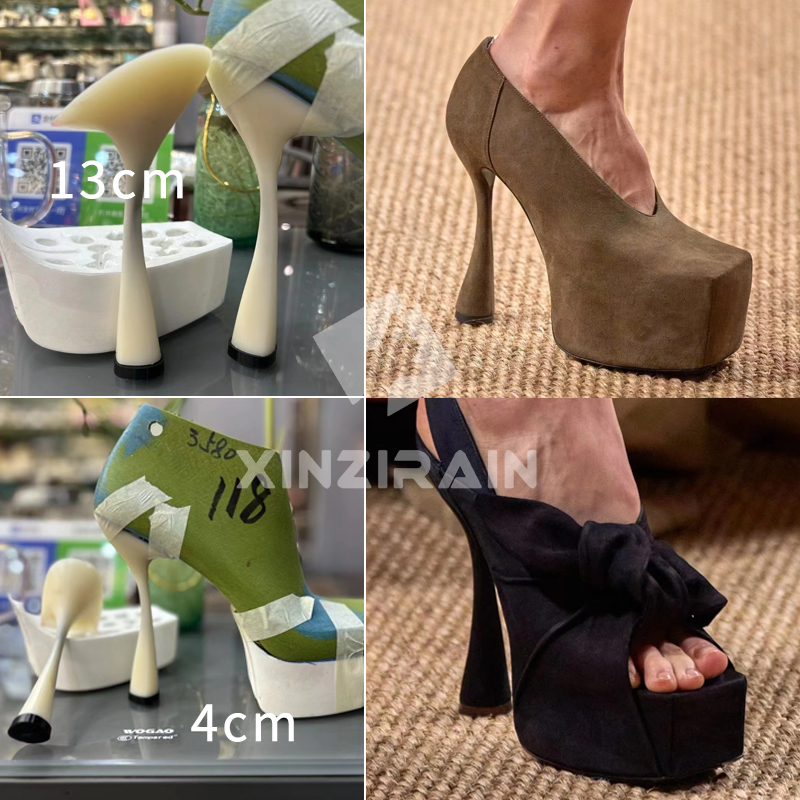
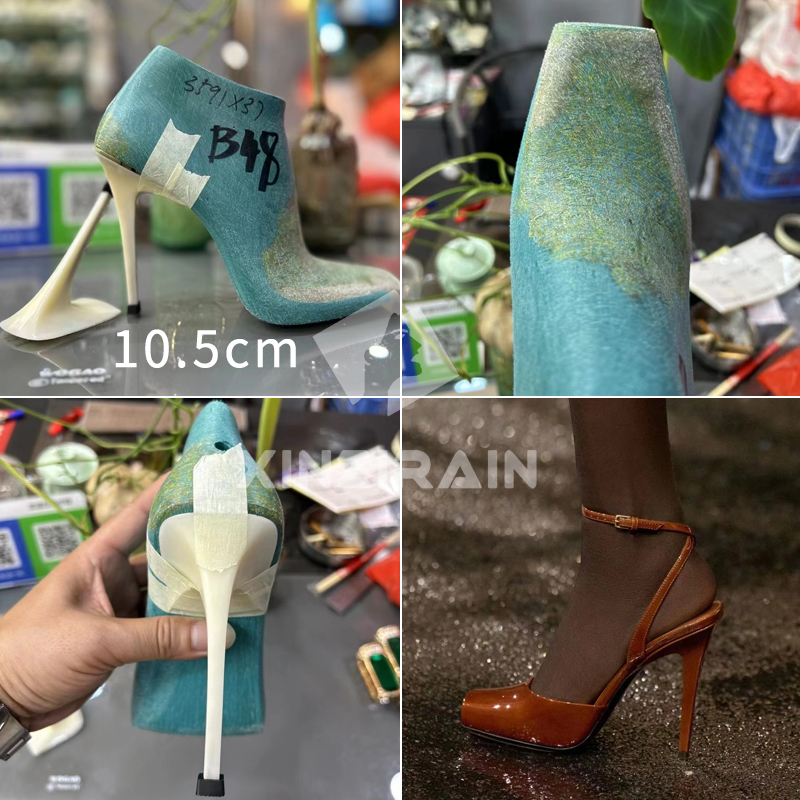
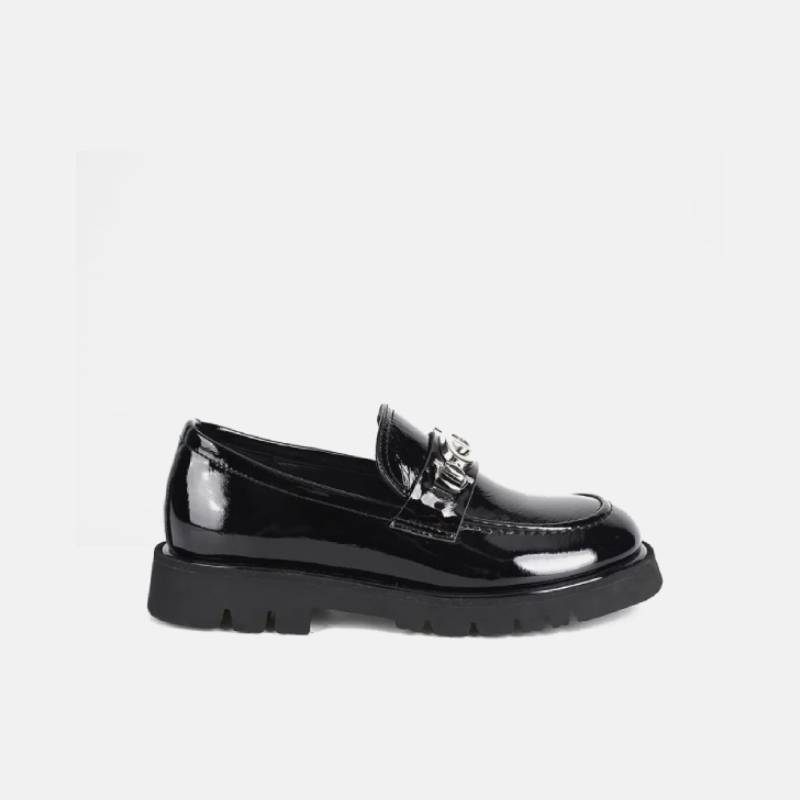
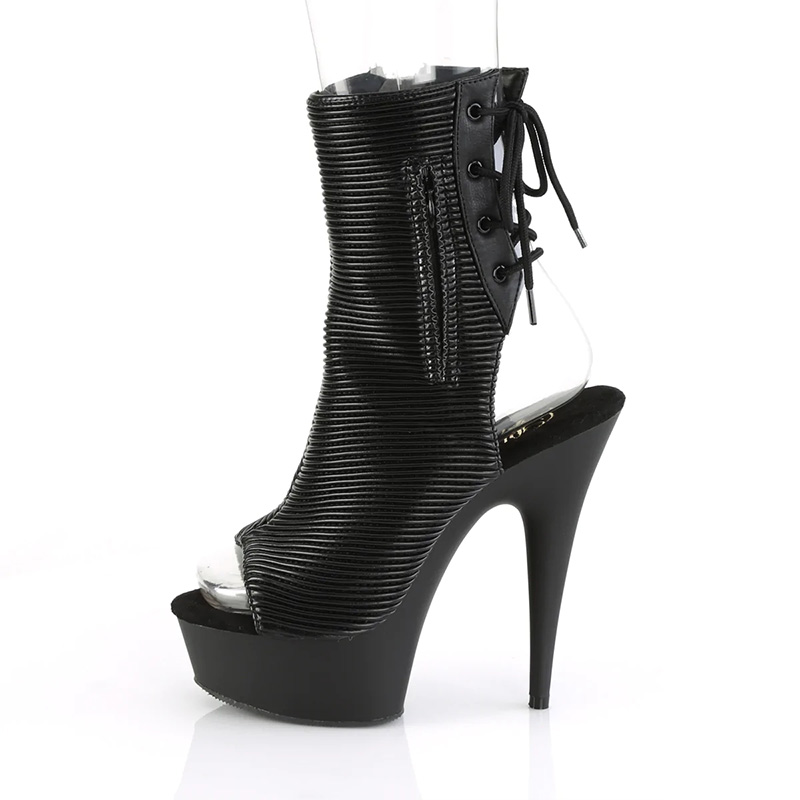
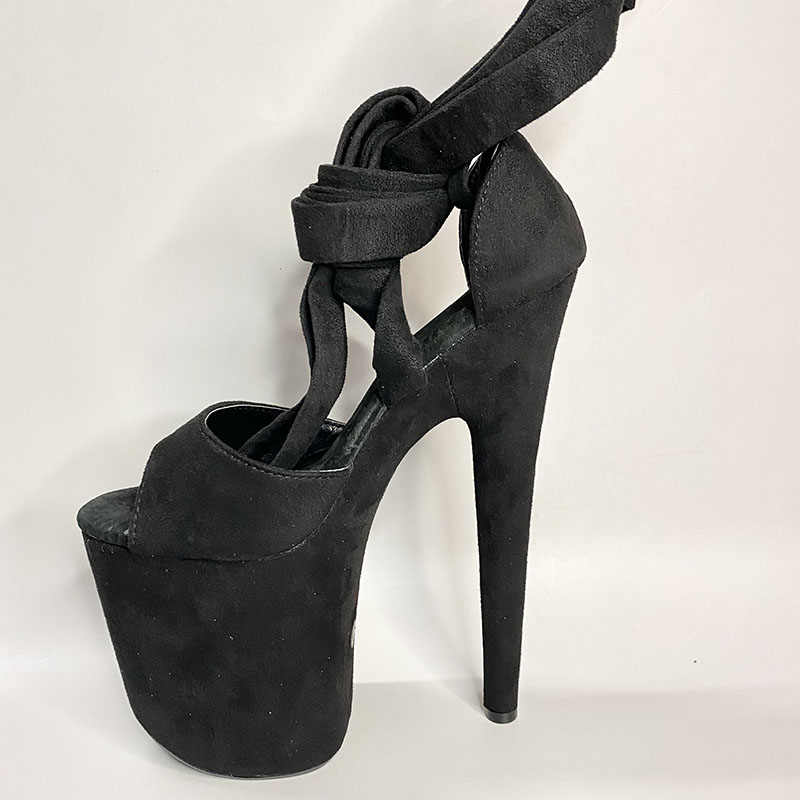
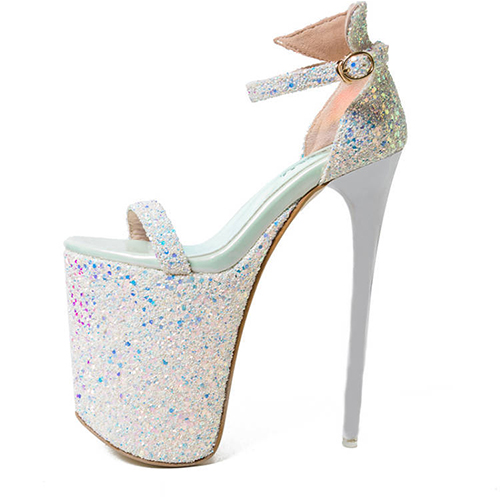
Platform Shoes Products Industry Giant
Platform shoes have evolved from niche fashion to a global staple for retailers. A leading platform footwear producer blends design with scalable manufacturing, delivering durable, stylish models across casual, work, and performance lines. Buyers value ergonomic footbeds, lightweight yet resilient midsoles, and sustainable materials that meet evolving consumer expectations, ensuring a reliable and timely assortment. Massive production capacity supports rapid development and steady supply. With automated lines, a broad materials library (PU, EVA, rubber, textiles), and advanced outsole engineering, it covers diverse styles and price points. Rigorous quality control, material traceability, and flexible packaging options underpin consistent quality. Flexible MOQs, fast prototyping, and private-label programs streamline testing and scale. Global buyers gain dependable lead times, competitive pricing, and end-to-end support—from design collaboration to logistics and after-sales service. A dedicated account manager provides transparent progress updates, reducing cross-border risk. If you seek a partner delivering consistent quality at scale, explore collaboration on product briefs, certifications, and sustainable manufacturing practices for a long-term partnership.
| Model Code | Model Name | Category | Platform Height (cm) | Material | Colors | Release Year | Gender | Rating | Reviews | Origin Country | Size Range USA |
|---|---|---|---|---|---|---|---|---|---|---|---|
| PFS-GLX-01 | Platform Glide X1 | Women's casual platform | 6.5 | PU Leather | Black, Camel | 2023 | Women | 4.6 | 214 | Vietnam | 5-12 |
| PFS-GLX-02 | Platform Glide X2 | Women's fashion | 7.0 | Faux Suede | Taupe, Black, White | 2024 | Women | 4.4 | 980 | China | 6-11 |
| PFS-STR-01 | Platform StreetRise 9 | Unisex | 4.0 | Vegan Leather | Black, Olive | 2021 | Unisex | 4.2 | 540 | India | 5-13 |
| PFS-GLD-01 | Platform GoldenArc | Women's Formal | 5.5 | Satin | Gold, Rose Gold | 2020 | Women | 4.0 | 320 | Italy | 4-10 |
| PFS-RET-01 | Platform RetroVibe | Unisex Retro | 6.0 | PU | Black, White | 2022 | Women | 4.3 | 760 | Vietnam | 5-12 |
| PFS-CLB-01 | Platform Cavalier | Men's casual | 2.5 | Microfiber | Black, Brown | 2019 | Men | 3.9 | 410 | China | 7-14 |
Related Products
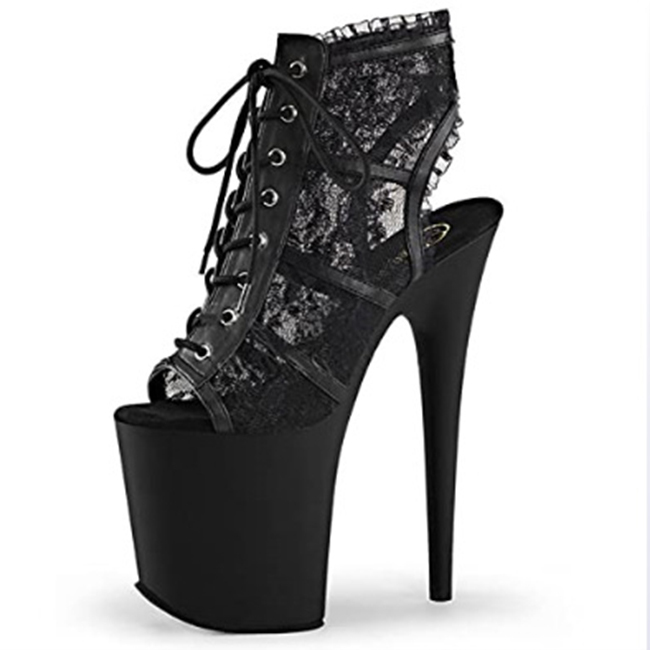
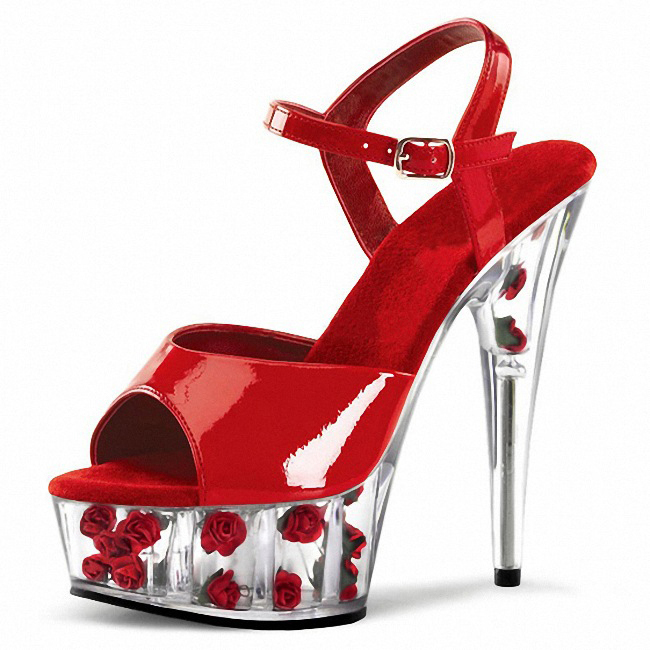
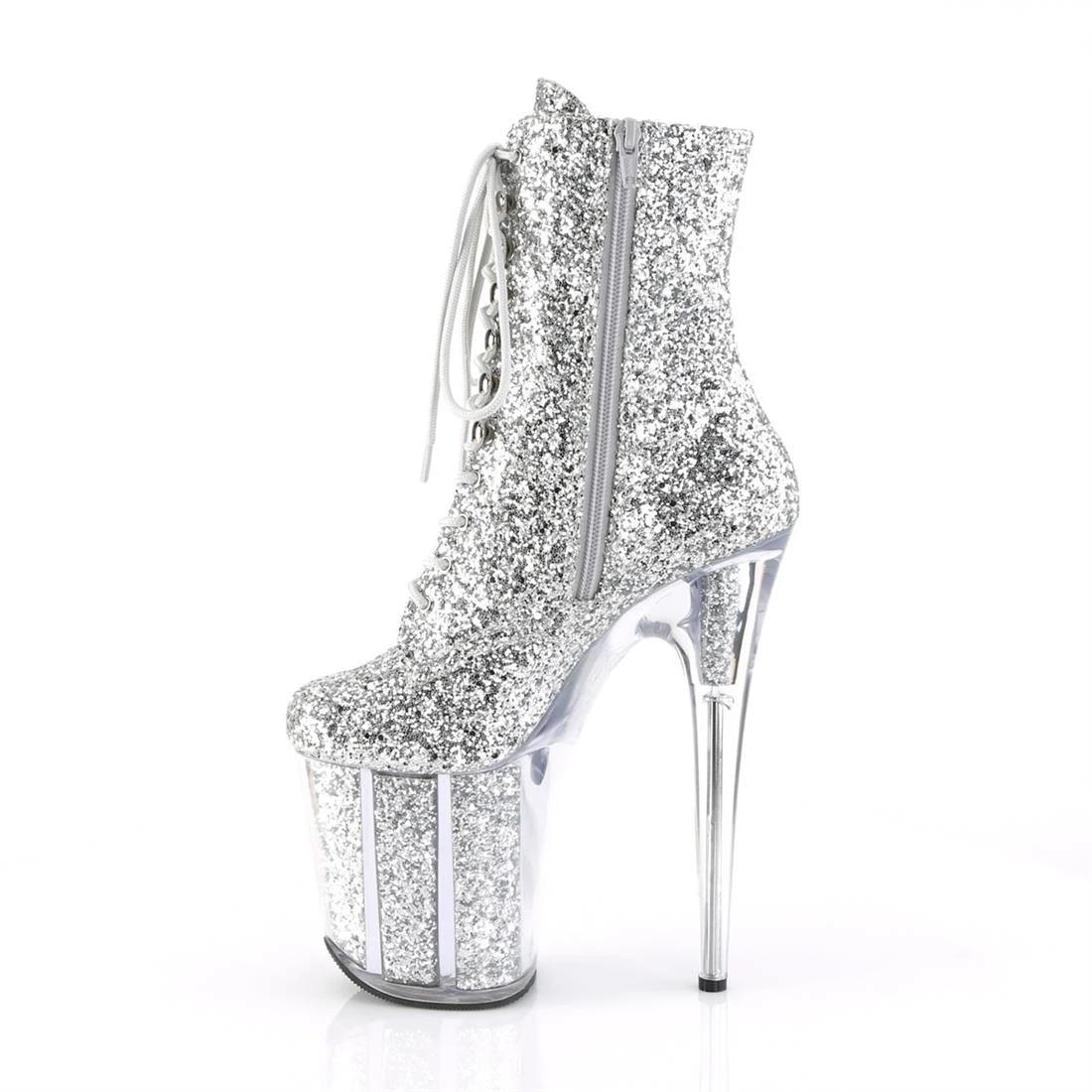
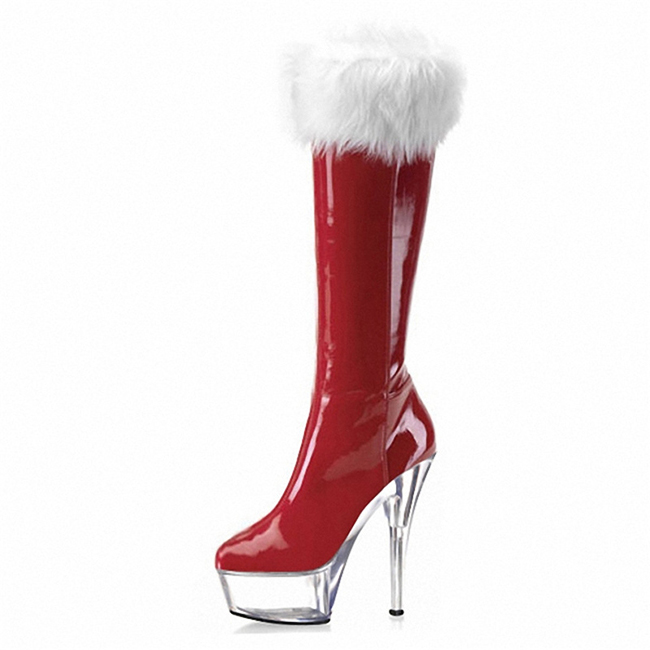
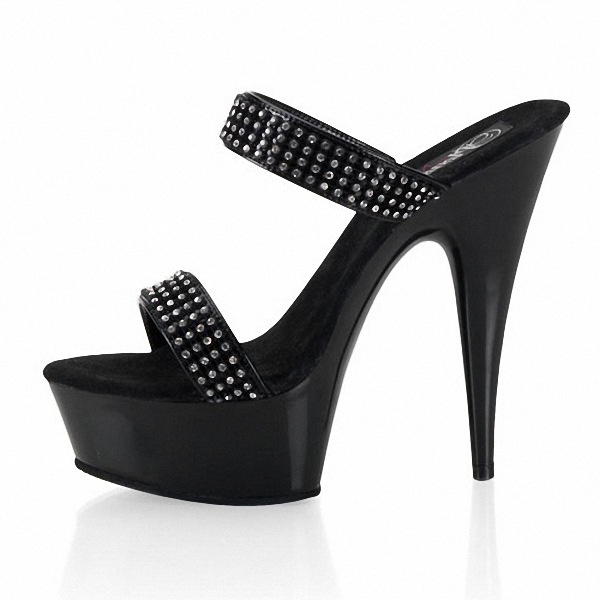
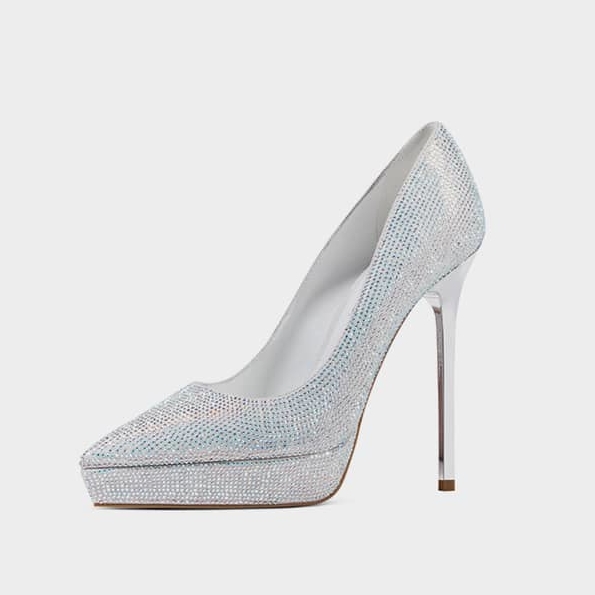
Platform Shoes Manufacturers You Can Rely On Your End-to-End Solution
Top Selling Products


- Related Blog
- Reviews
- Reviews
