
Women Sandals Factories - Wholesale Manufacturer Directory
As a dedicated partner in Women Sandals Factories, I bring you top-tier sandals ready for Wholesale orders and direct from a Manufacturer you can trust. I oversee every step—from design and material selection to stringent quality checks—so your customers get comfort, durability, and style. We offer a scalable range: casual slide, cork comfort, straps, and eco-friendly options, all made for retailers who demand reliable lead times and consistent sizing. By cutting out middlemen, I can offer Competitive Wholesale pricing and flexible MOQs that suit startups to established stores. You’ll work with a real Manufacturer who understands seasonal demand, branding, and private labels. I maintain transparent communication, rapid sampling, and dependable production schedules. If you’re seeking a factory-direct solution for Women Sandals Factories, I’m ready to tailor production for your SKU mix, packaging, and fast shipments, backed by quality-first ethics and consistent performance.
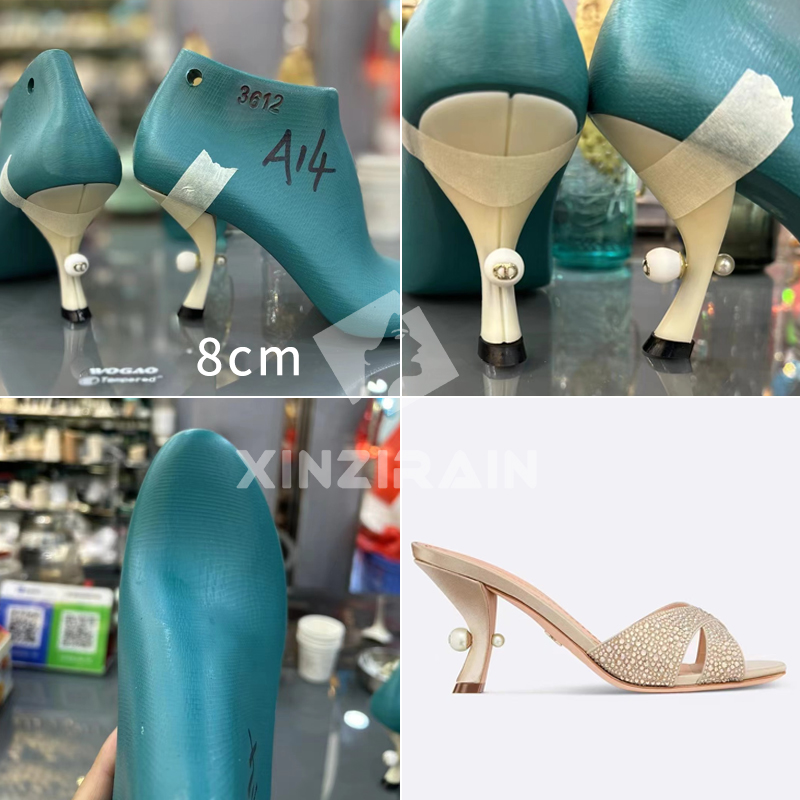

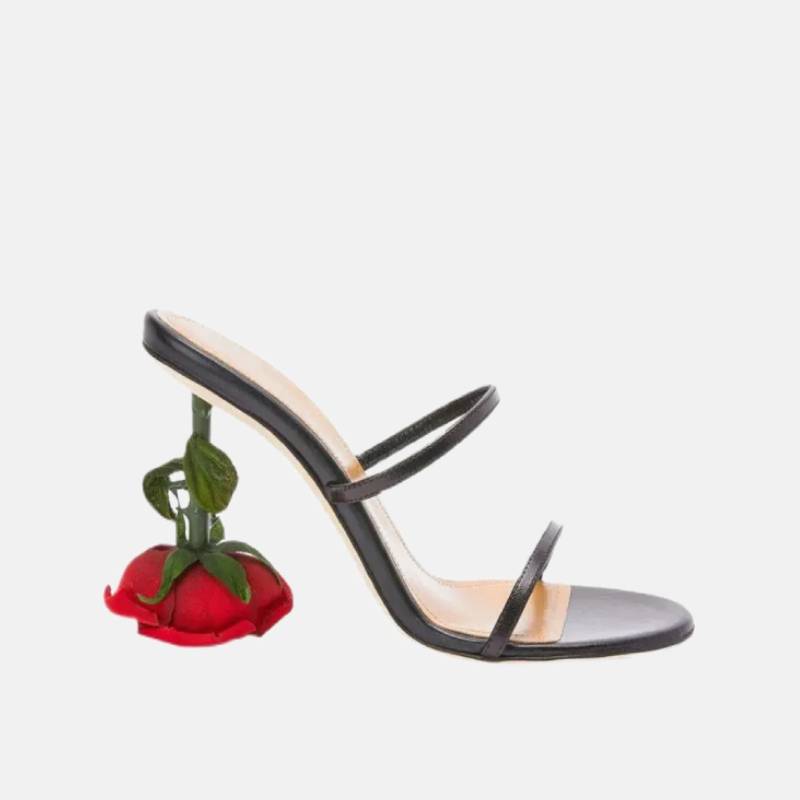
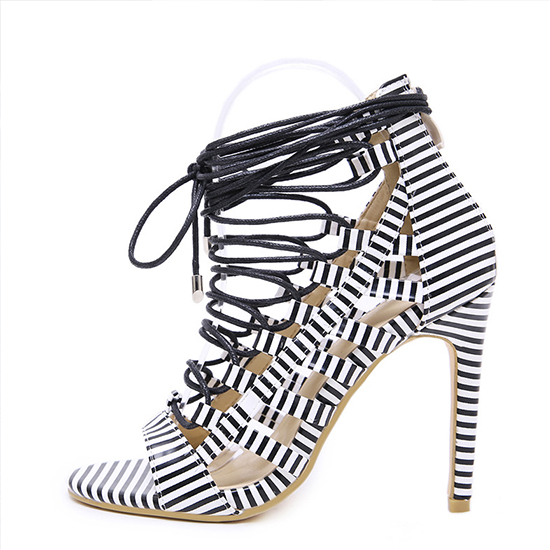
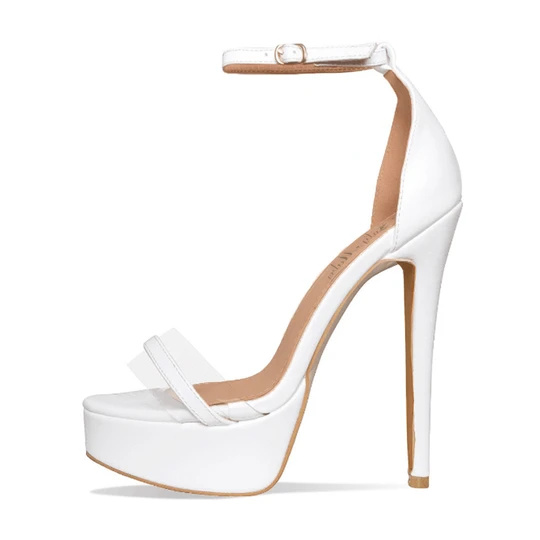
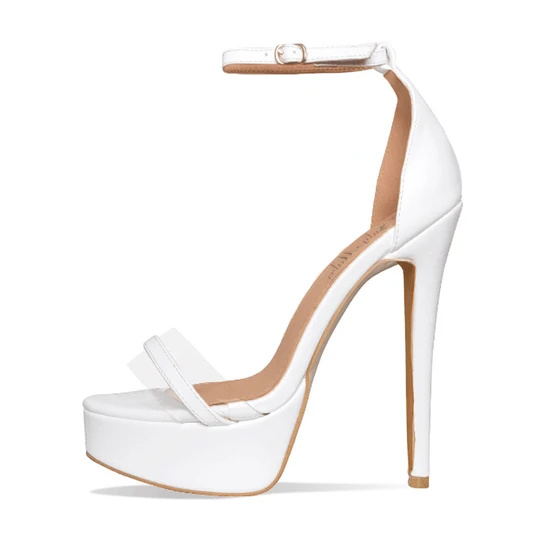
Women Sandals Factories Manufacturer Ahead of the Curve
As the global demand for stylish and comfortable women’s sandals continues to grow, finding a manufacturer that stays ahead of the curve is essential for sourcing partners and distributors. Modern women’s sandals factories are redefining production by blending cutting-edge technology, sustainable materials, and fashion-forward designs, ensuring their clients remain competitive in a dynamic market. Advanced manufacturing processes such as automated stitching, precise mold development, and eco-friendly material sourcing are hallmarks of innovative factories. Global buyers are particularly interested in suppliers who prioritize both quality and efficiency. Forward-thinking manufacturers provide comprehensive custom solutions, covering everything from rapid prototyping based on the latest trends to large-scale OEM or ODM manufacturing. This ensures every partner can achieve unique product lines with quick turnaround times, while maintaining high standards for durability and comfort. Staying ahead in the women’s sandals industry also requires a keen understanding of international markets and seasonal fashion trends. Leading factories continuously research style preferences, offer versatile product ranges, and maintain flexible production capacity. For global procurement teams seeking reliable, trendsetting partners, choosing a manufacturer with a proven record of innovation and adaptation is the key to success in today’s competitive footwear market.
{ Women Sandals Factories Manufacturer Ahead of the Curve}
| Region | Country | Factory Location (Region) | Year Established | Workforce | Annual Capacity (pairs) | Main Materials | Certifications | R&D % | Sustainability Initiatives | Lead Time (weeks) | Key Technologies |
|---|---|---|---|---|---|---|---|---|---|---|---|
| Asia | China | Guangdong (Coastal) | 2005 | 2,400 | 3,000,000 | PU leather, EVA, TPR, recycled PET straps | ISO 9001, BSCI, OEKO-TEX | 8% | Water recycling, chemical management (ZDHC), solar rooftops | 6–10 | Injection molding, automatic lasting, CAD/CAM, high-speed sewing |
| Asia | Vietnam | Binh Duong / Ho Chi Minh region | 2011 | 1,900 | 2,500,000 | EVA, rubber soles, textile straps, recycled rubber | ISO 9001, Sedex, BSCI | 6% | Recycled material sourcing, low-energy curing ovens, waste sorting | 6–9 | Thermoforming, sole injection machines, CNC cutting |
| Asia | India | Tamil Nadu (Southern clusters) | 1998 | 1,100 | 1,200,000 | Genuine leather, rubber, jute, cork | ISO 9001, LWG (sourcing) | 5% | Natural tanning alternatives, evening shift solar water heating | 8–12 | Lasting machines, CNC leather cutting, hand-finishing stations |
| Europe | Turkey | Izmir / Aegean region | 2002 | 620 | 700,000 | Genuine leather, PU, recycled textiles | ISO 9001, BSCI | 7% | Effluent treatment, local sourcing to reduce transport emissions | 6–10 | Laser cutting, automated stitching, CAD patterning |
| Europe | Italy | Marche (artisan cluster) | 1976 | 210 | 150,000 | Premium leather, cork, natural rubber | ISO 9001, OEKO-TEX | 12% | Low-impact dyes, small-batch artisanal processes, circular leather trials | 8–14 | Hand-welting, artisanal lasting, precision CNC for soles |
| Latin America | Brazil | São Paulo (industrial belt) | 2008 | 380 | 400,000 | Rubber, cork footbeds, recycled materials | ISO 9001, Sedex | 4% | Local material sourcing, waste-to-energy pilot for scraps | 7–11 | Compression molding, sole vulcanization, automated cutting |
| Asia | Indonesia | East Java (industrial parks) | 2013 | 840 | 900,000 | EVA, TPR, textile straps, recycled PET | ISO 9001, BSCI | 6% | Recycled PET straps program, rainwater harvesting | 6–9 | Injection molding, high-speed sewing, lasting lines |
| North America | Mexico | Jalisco / Guanajuato border region | 2015 | 520 | 600,000 | PU leather, rubber, EVA | ISO 9001, Sedex | 5% | Nearshore logistics to reduce air freight, energy-efficient lighting | 5–8 | Automated lasting, CNC sole machining, robotic glue application |
| Africa (Export focused) | Egypt | Alexandria industrial zone | 2016 | 320 | 260,000 | Textile uppers, rubber soles, cork blends | ISO 9001 | 4% | Local textile upcycling, low-water dyeing trials | 7–10 | Heat-pressing, automated cutting, manual finishing mix |
Related Products
Women Sandals Factories Where Innovation Meets 2025 From Concept to Delivery
Top Selling Products

- Related Blog
- Reviews
- Reviews
