
Animal Skin Sandals Manufacturers - Wholesale & Manufacturer Directory
From my workshop, I’m proud to offer Animal Skin Sandals Manufacturers solutions that meet exacting B2B needs. We supply Wholesale prices to retailers and distributors while maintaining the integrity of premium animal skins and careful crafting. As a Manufacturer, I oversee every step—from selecting full-grain leather, sustainable tanning, to hand-stitched soles—so quality stays consistent across batches. Our sandals are built to endure daily wear, with cushioned footbeds and flexible outsoles. I tailor orders for fashion houses, catalogs, or online wholesalers, with MOQs, sample programs, and fast lead times. You’ll find clear certifications, traceability, and dedicated QC to minimize returns. Partner with us for scalable production, reliable shipping, and competitive pricing. If you seek dependable Animal Skin Sandals Manufacturers that can grow with your Wholesale channels, I’m ready to discuss customization, packaging, and private labeling today.




Animal Skin Sandals Manufacturers Now Trending Service Backed by Expertise
Global buyers are increasingly drawn to animal skin sandals for premium appeal and lasting comfort. Manufacturers now elevate service with deep expertise across sourcing, tanning, finishing, and construction—ensuring consistent color, durable stitching, ergonomic footbeds, and resilient outsoles. An expert service model includes design support, rapid prototyping, and scalable production, translating seasonal trends into reliable, supply-ready products. Choosing an experienced partner means more than a single batch. Expect end-to-end collaboration from concept to samples, testing, and compliant mass production to on-time delivery. Seek transparent sourcing, certifications, sustainable practices, flexible MOQs, and rigorous QA with inline inspection and batch traceability. With this foundation, procurement teams can reduce risk while delivering fashionable, retail-grade sandals to global markets.
| Manufacturer_ID | Country_of_Operation | Year_Established | Primary_Materials | Certifications | Sustainability_Rating | Service_Expertise | Avg_Lead_Time_days | Production_Capacity_per_day | Factory_Size_sqft | Employee_Count | Notable_Strengths |
|---|---|---|---|---|---|---|---|---|---|---|---|
| M001 | India | 1998 | Goat Leather | ISO 9001; BSCI | 4 | Custom sizing, hand-stitched sole, eco-friendly tannage | 28 | 3500 | 95000 | 320 | Strong OEM capabilities, QC 3-stage inspection |
| M002 | China | 2005 | Cowhide | ISO 9001; SGS | 3 | Mass customization, rapid prototyping | 21 | 5400 | 120000 | 480 | Vertical integration in tanning and stitching |
| M003 | Brazil | 2012 | Cowhide; Buffalo leather | ISO 14001; SEDEX | 5 | Beachwear sandals, water-resistant finishes | 30 | 4200 | 60000 | 210 | Delivers allergy-friendly finishes |
| M004 | Spain | 1995 | Goat Leather | ISO 9001; SEDEX | 4 | Hand-stitched details, arch support | 18 | 3200 | 40000 | 170 | Heritage craftsmanship |
| M005 | Vietnam | 2010 | Suede (animal skin) | ISO 9001; BSCI | 3 | Finishes include suede; craftsmanship focus | 25 | 2800 | 55000 | 190 | Competitive pricing, agile product launches |
| M006 | Indonesia | 2000 | Cowhide; Buffalo | SGS; REACH | 4 | Waterproof coating, flexible outsole | 22 | 4600 | 70000 | 210 | Strong export to ASEAN markets |
| M007 | Turkey | 1999 | Goat Leather | ISO 9001; ISO 14001 | 5 | Custom embroidery, heel counters | 26 | 3900 | 62000 | 230 | Strong EU distribution |
Related Products
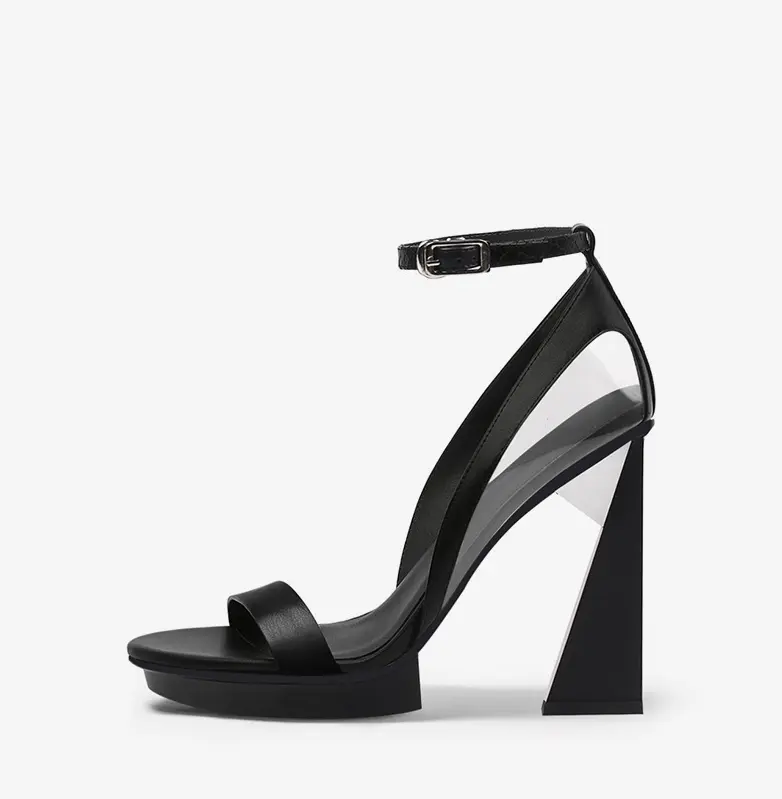
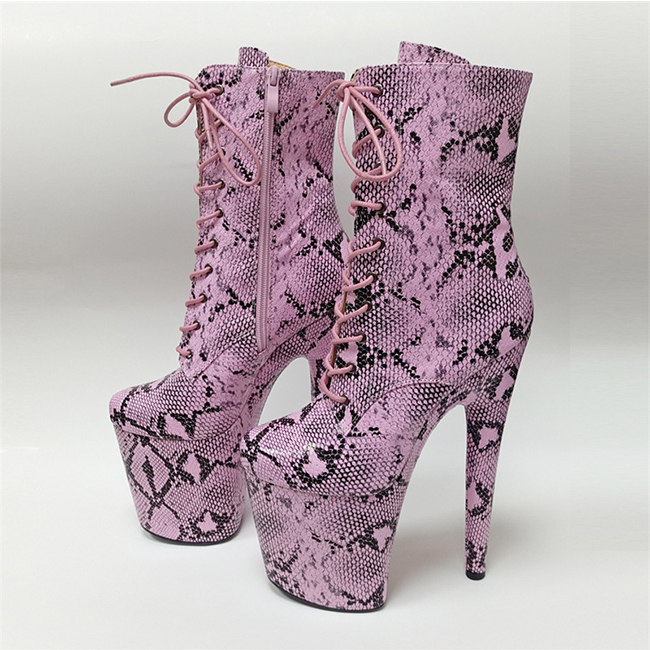
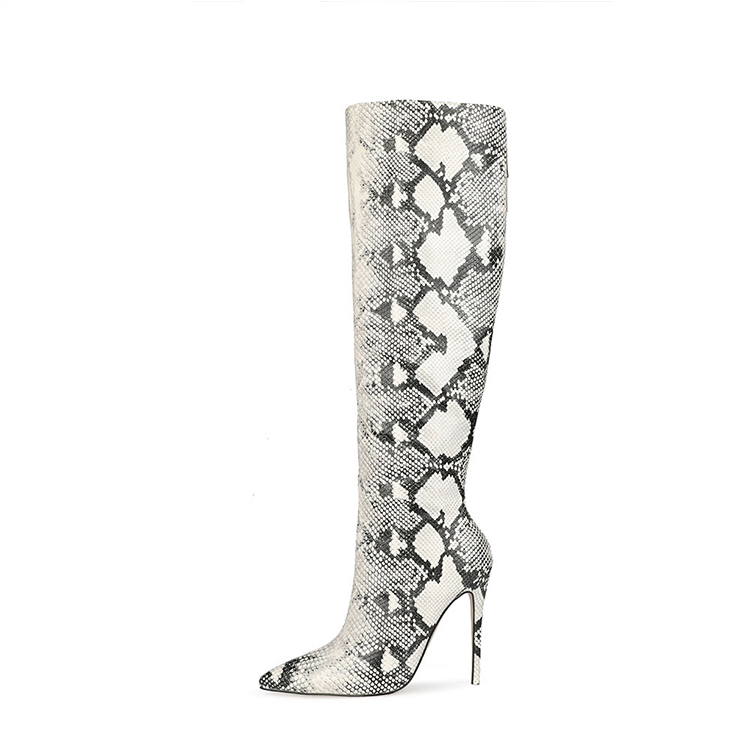
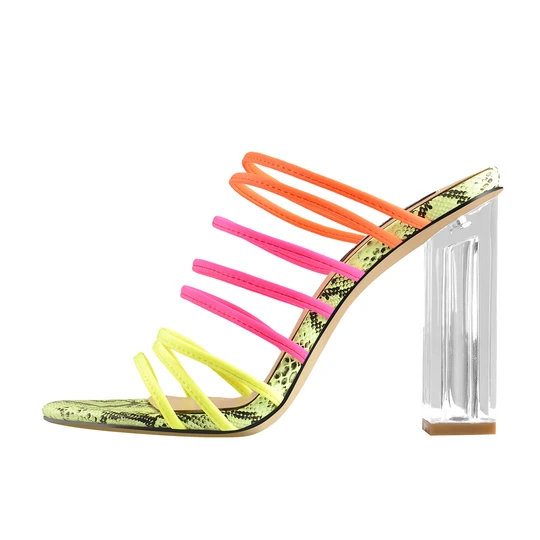
Animal Skin Sandals Manufacturers Factory Your End-to-End Solution
Top Selling Products

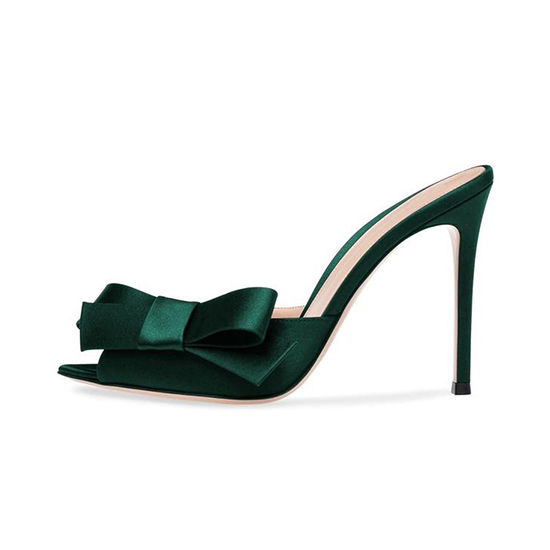
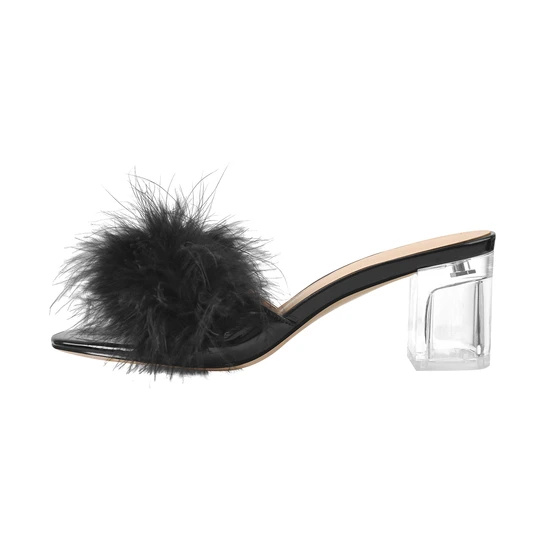
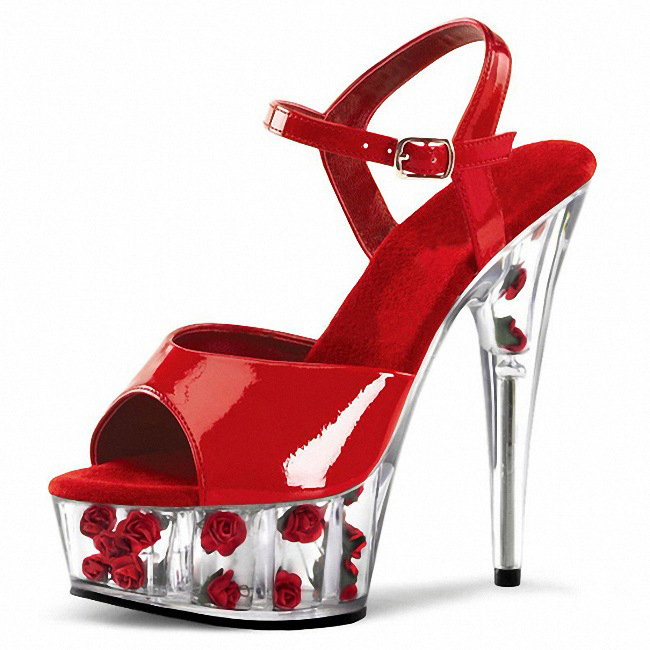
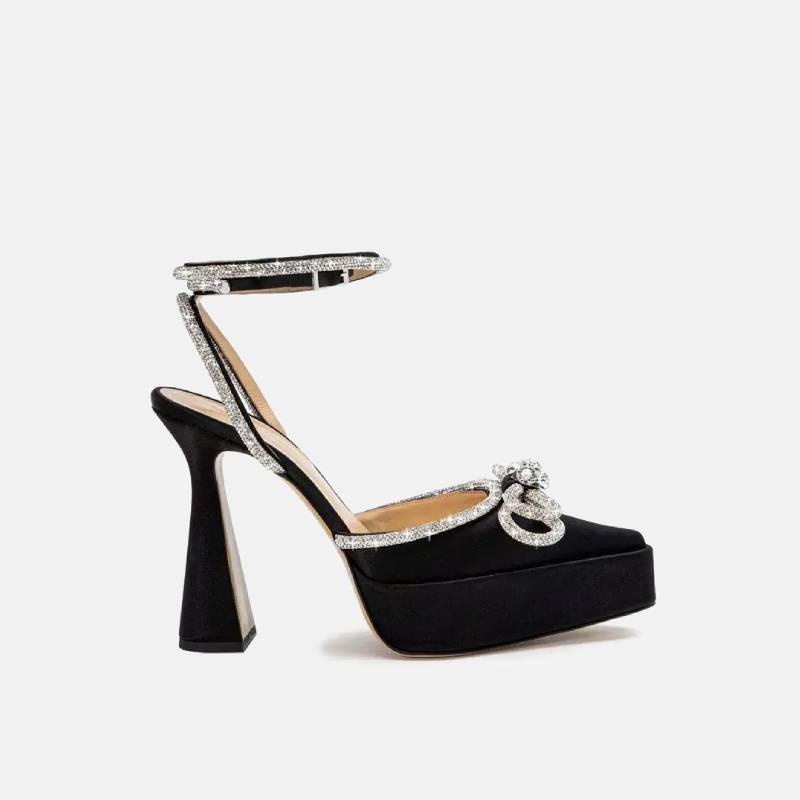
- Related Blog
- Reviews
- Reviews
