
Bride Flats Wholesale Manufacturer | Elegant Bridal Footwear
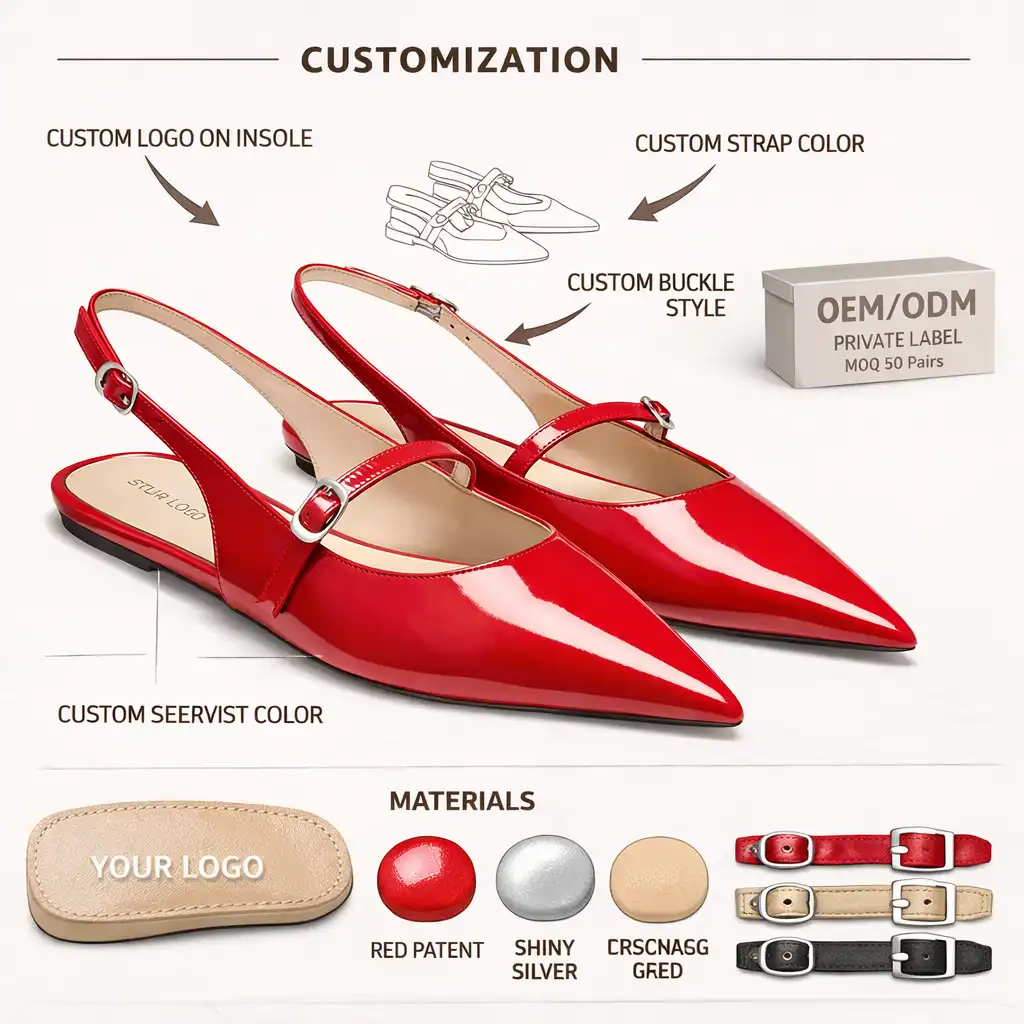
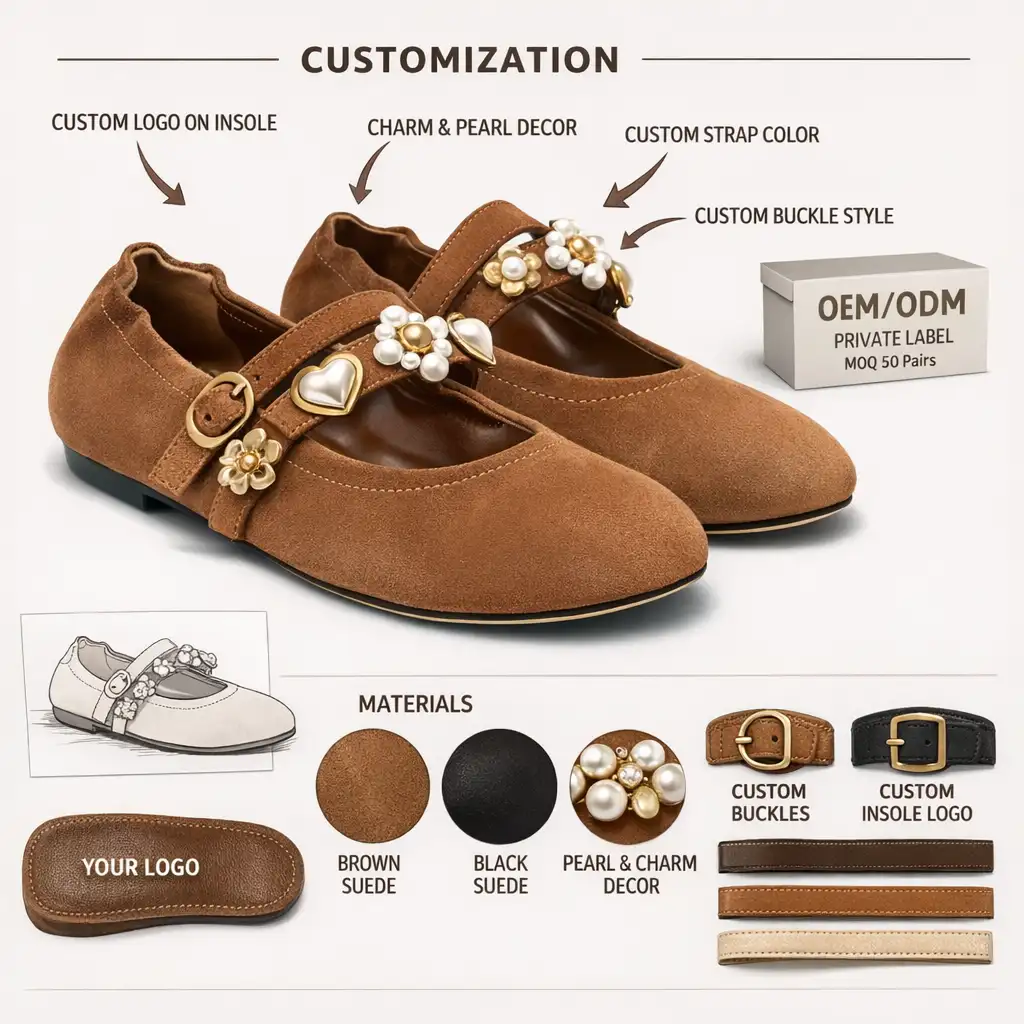
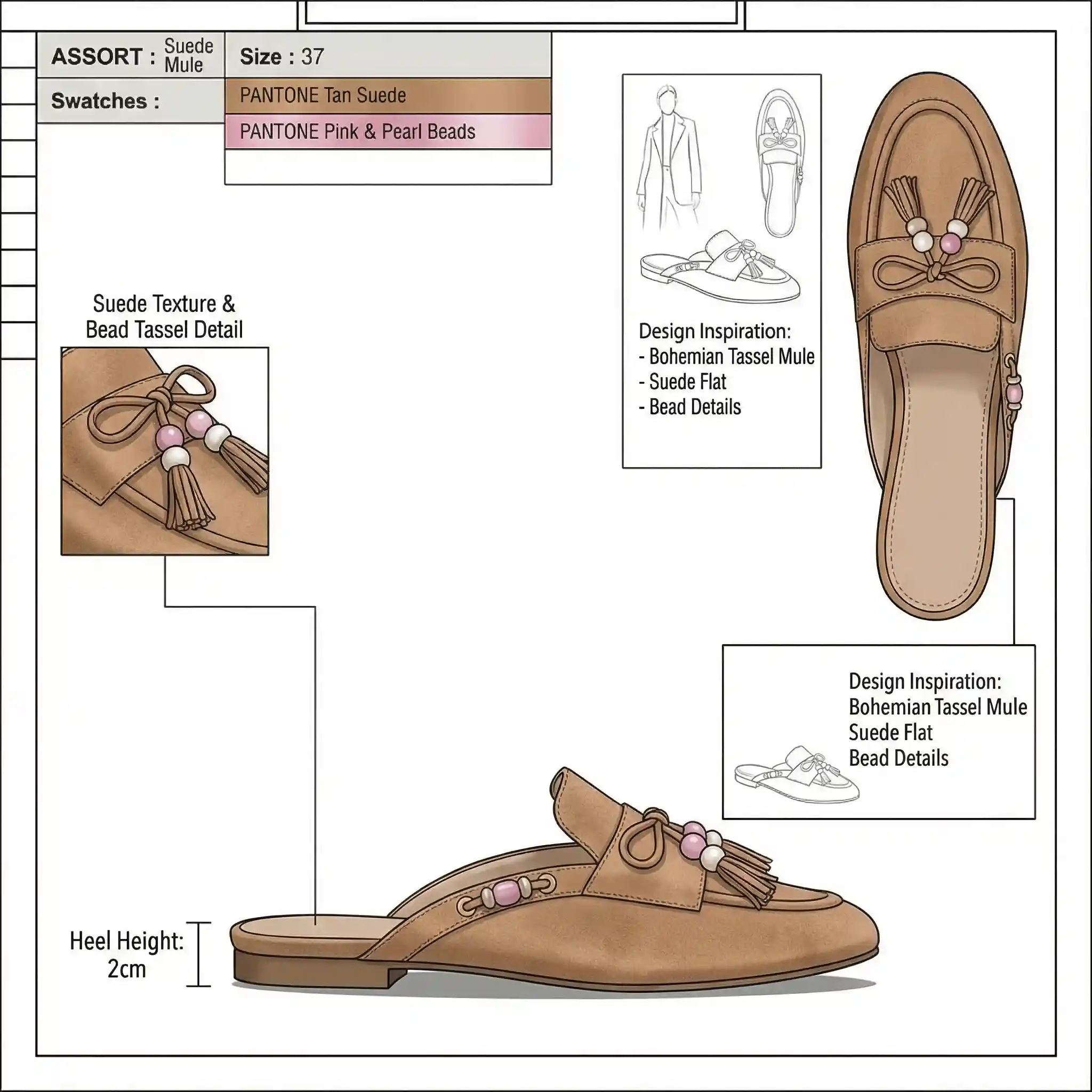
We are a Bride Flats manufacturer offering styles designed for Wholesale buyers and retailers who demands reliability. Our line blends bridal elegance with comfortable wear, perfect for weddings, photo shoots, and boutique displays. As a Manufacturer, we provide consistent stock, scalable order quantities, and competitive pricing, with fast lead times and flexible terms. We welcome customization — colors, materials, and embellishments — to match seasonal trends or brand identity. Quality control is tight from sourcing to final packaging, ensuring every pair meets your standards. We support private labeling and drop ship services, making it easy to scale your inventory. With direct factory access, you get better margins, shorter supply cycles, and predictable assortment planning. If you’ll seeking a steady supply of high‑quality Bride Flats for Wholesale distribution, we’re ready to partner with your business today.
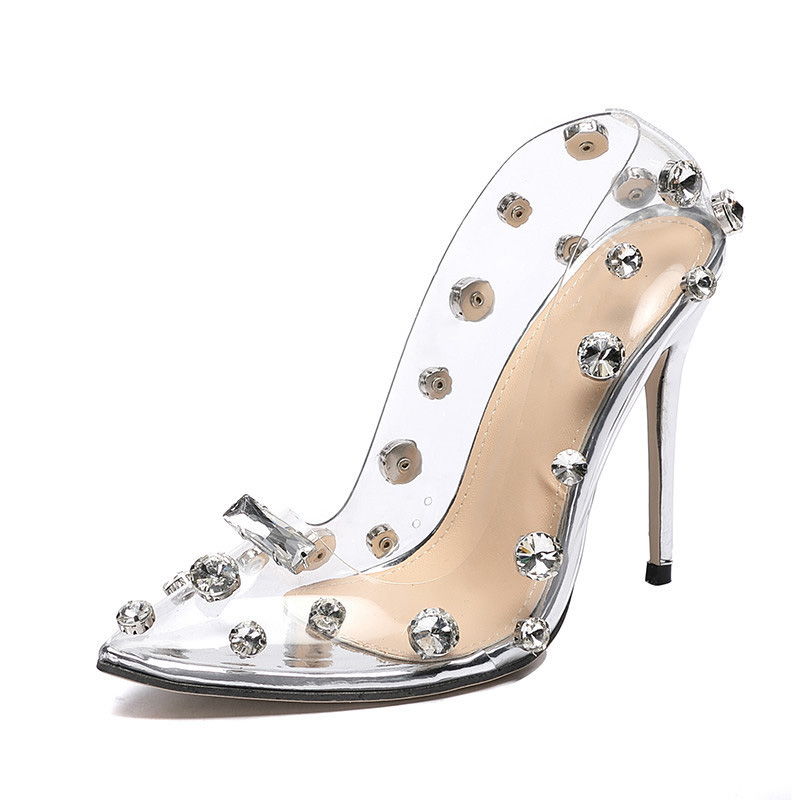
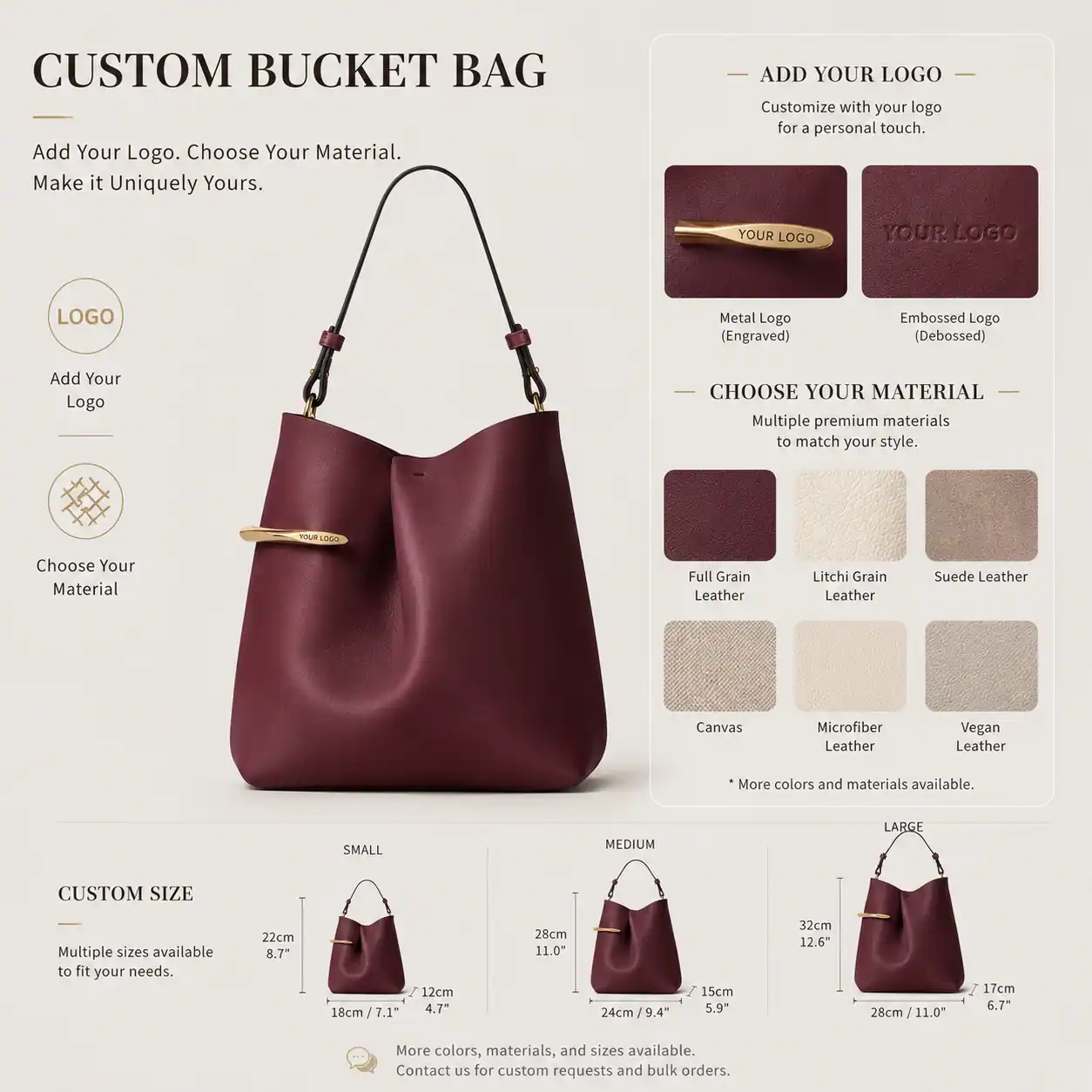
Bride Flats Supplier Sets the Industry Standard
In the bridal flats market, a supplier that blends comfort, precision craftsmanship, and dependable delivery is raising the standard. Global buyers expect flats that look elegant but feel comfortable all day. Standardization now means consistent sizing, traceable materials, and rigorous QA from last fitting to final packing. Transparent sourcing and ethical production are increasingly essential, along with scalable capacity to meet peak wedding-season orders. To seize this shift, buyers should evaluate partners on clear criteria: supportive footbeds, durable stitching, slip resistance, and colorfast finishes; traceable supply chains; safety and sustainability certifications; flexible MOQs and lead times; accurate samples and CADs; standardized packaging and labeling; and reliable after-sales service. Forward-thinking suppliers invest in technology and people to deliver quality, on-time delivery, and scalable solutions across markets.
Bride Flats Supplier Sets the Industry Standard
| Feature Area | Attribute | Typical Values | Notes |
|---|---|---|---|
| Product Overview | Product Type | Bridal Flats | Basic category within wedding footwear |
| Sizing and Fit | Size Range (US/EU) | US 5-12; EU 35-44 | Standard range for adult female feet |
| Materials | Upper Materials | Leather, Satin, Faux Leather, Glitter Fabric | Variation by design and season |
| Materials | Sole Materials | Rubber, Leather, EVA | Selected for comfort, durability, and grip |
| Design | Heel Height | 0-1 inches (0-25 mm) | Flats category with minimal elevation |
| Design | Closure / Fit Type | Slip-on; Optional ankle strap | Comfortable and secure fit options |
| Color | Popular Colors | Ivory, White, Blush, Champagne, Nude | Bridal neutrals complement wedding gowns |
| Compliance | Certifications | OEKO-TEX Standard 100 | Fabric and lining safety standard |
| Sustainability | Packaging & Materials | Recycled packaging; Water-based adhesives | Eco-friendly design practices |
| Production | Lead Time | 4-8 weeks | Standard manufacturing timeframe |
| Production | Minimum Order Quantity (MOQ) | 120-500 pairs | Varies by customization level |
| Regions Served | Geographic Coverage | North America, Europe, Asia Pacific | Global reach for bridal retailers |
| Warranty | Defect Warranty | 90 days | Manufacturing defects only |
| After-Sales | Industry Returns (Avg) | 3-7% | Typical e-commerce wedding footwear figure |
Related Products


Bride Flats Trusted by Pros Delivers Unmatched Quality
Top Selling Products





- Related Blog
- Reviews
- Reviews
