
Eco-Friendly Leather Shoes: Wholesale Manufacturer
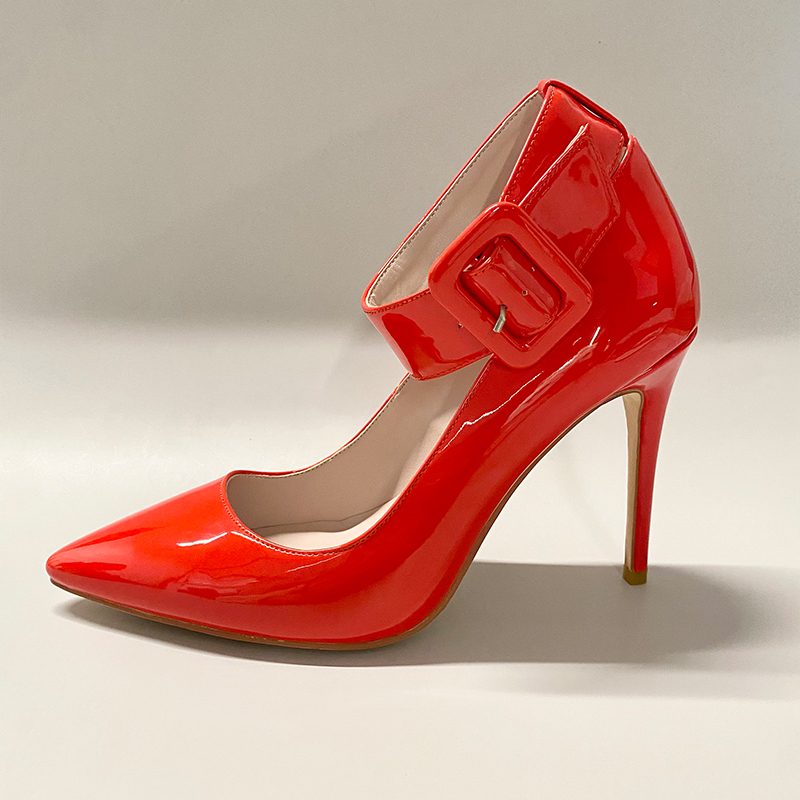
From my workshop to your storefront, these Eco-Friendly Leather Shoes are designed for retailers who want both style and responsibility. As a dedicated Manufacturer, I use responsibly sourced leather, water-based finishes, and low-impact processes to deliver durable, comfortable shoes. For Wholesale buyers, I offer scalable quantities, flexible packaging, and dependable lead times that fit your inventory cycles. I tailor colors, branding, and sizing to meet market needs while keeping costs competitive. You’ll get transparent sourcing, traceability, and certifications that reassure customers who demand sustainability. Our manufacturing approach supports consistent quality across batches, with quick samples and predictable MOQs to speed up decisions. I understand your procurement rhythms and I’m ready to collaborate on private labeling or co-branding if you’re seeking a distinctive line. Let’s discuss volumes, timelines, and price breaks to grow together.


Eco-Friendly Leather Shoes Where Innovation Meets 2025 Manufacturers You Can Rely On
Global buyers increasingly seek footwear that blends style with sustainability. Eco-friendly leather shoes now rely on responsible tanning, recycled or biobased uppers, and water-based adhesives to lower environmental impact. Trusted 2025 manufacturers demonstrate end-to-end transparency, from hide origin to finished product, with certifications such as Leather Working Group and ISO 14001. Innovations include plant-based materials, chromate-free processing, and digital patterning to reduce waste, with blockchain-enabled traceability enabling confident sourcing at scale. For global buyers, selecting a partner means evaluating customization with strong ESG commitments, scalable capacity, and reliable logistics. Seek Chengdu-based manufacturers that integrate leather processing, lining, outsole tech, and sustainable packaging. A good supplier offers sample programs, technical feasibility, and collaborative development, while meeting lead times and flexible MOQs. In 2025, true reliability equals proactive risk management, ethical sourcing, and transparent communication across the supply chain.
Eco-Friendly Leather Shoes Where Innovation Meets 2025 Manufacturers You Can Rely On
| Region | Tanning Method | Certification | Material Type | Carbon Footprint (kg CO2e/pair) | Water Usage (L/pair) | Durability (Years) | End-of-Life Recyclability (%) | Innovation Feature | Supply Chain Transparency Score |
|---|---|---|---|---|---|---|---|---|---|
| Europe | Vegetable-tanned | OEKO-TEX Standard 100 | Full-grain bovine leather | 12 | 9 | 5 | 60% | Solar-powered production and water reuse | 90 |
| North America | Chrome-free | Leather Working Group Gold | Vegetable + mineral blend | 14 | 12 | 6 | 55% | Bio-based soles | 85 |
| Asia-Pacific | Chrome-free | Bluesign APPROVED | Alveolar leather with recycled lining | 15 | 15 | 4 | 40% | Water-based adhesives | 70 |
| Latin America | Vegetable-tanned | OEKO-TEX Standard 100 + LWG Bronze | Full-grain bovine leather | 18 | 20 | 5 | 50% | Local tannery traceability | 65 |
| Africa / Middle East | Chrome-free | LWG Silver | Plant-dyed leather | 20 | 25 | 3 | 35% | Drought-resistant processing | 60 |
| Europe (Non-EU) | Vegetable-tanned | LWG Gold | Pebble-grain leather | 13 | 11 | 5 | 55% | Circular sole design | 88 |
| North America (USA) | Vegetable-tanned | Bluesign APPROVED | Vegetable-tanned + recycled lining | 16 | 14 | 6 | 65% | Leak-proof labeling | 82 |
| Asia-Pacific (China/Japan) | Chrome-free + bio-based adhesives | GreenTag | Leather + bio-adhesive | 22 | 18 | 3 | 30% | Chemical-free solvents | 72 |
Related Products


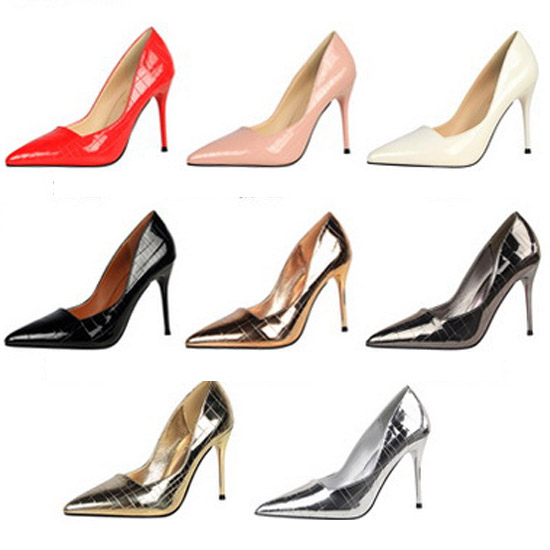
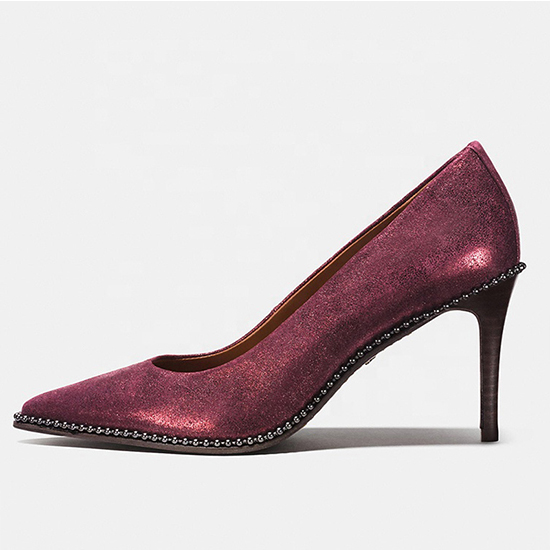
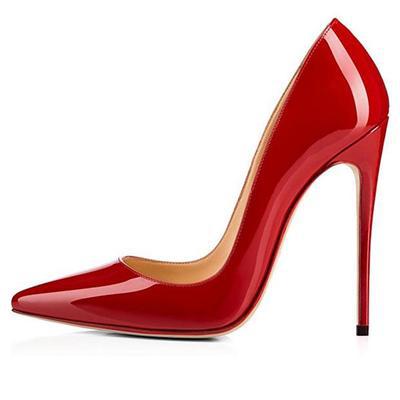
Eco-Friendly Leather Shoes Application Custom Solutions,
Top Selling Products


- Related Blog
- Reviews
- Reviews
