
Eco-Friendly Shoe Industry Practices for Wholesale and Manufacturer
I lead a team committed to Eco-Friendly Shoe Industry Practices that align with modern wholesale demands. From fiber to finish, every pair is crafted with recycled and renewable materials, low-waste production, and transparent sourcing. As a Manufacturer, I control process quality, price stability, and environmental compliance, so Wholesale partners can scale confidently. Our approach reduces carbon footprint through localized milling, water-saving dyestuffs, and circular design that supports take-back programs. I work closely with clients to tailor specs—upper fabrics, outsoles, packaging—that meet both performance and sustainability goals. You’ll get clear lead times, dependable MOQ, and consistent batch-to-batch color matching. We provide comprehensive documentation: material declarations, life-cycle analysis, and supplier audits. If you’re seeking to differentiate in the market while staying responsible, I can align production with your brand story and regulatory needs. Let’s talk about a tested, scalable plan that grows together.

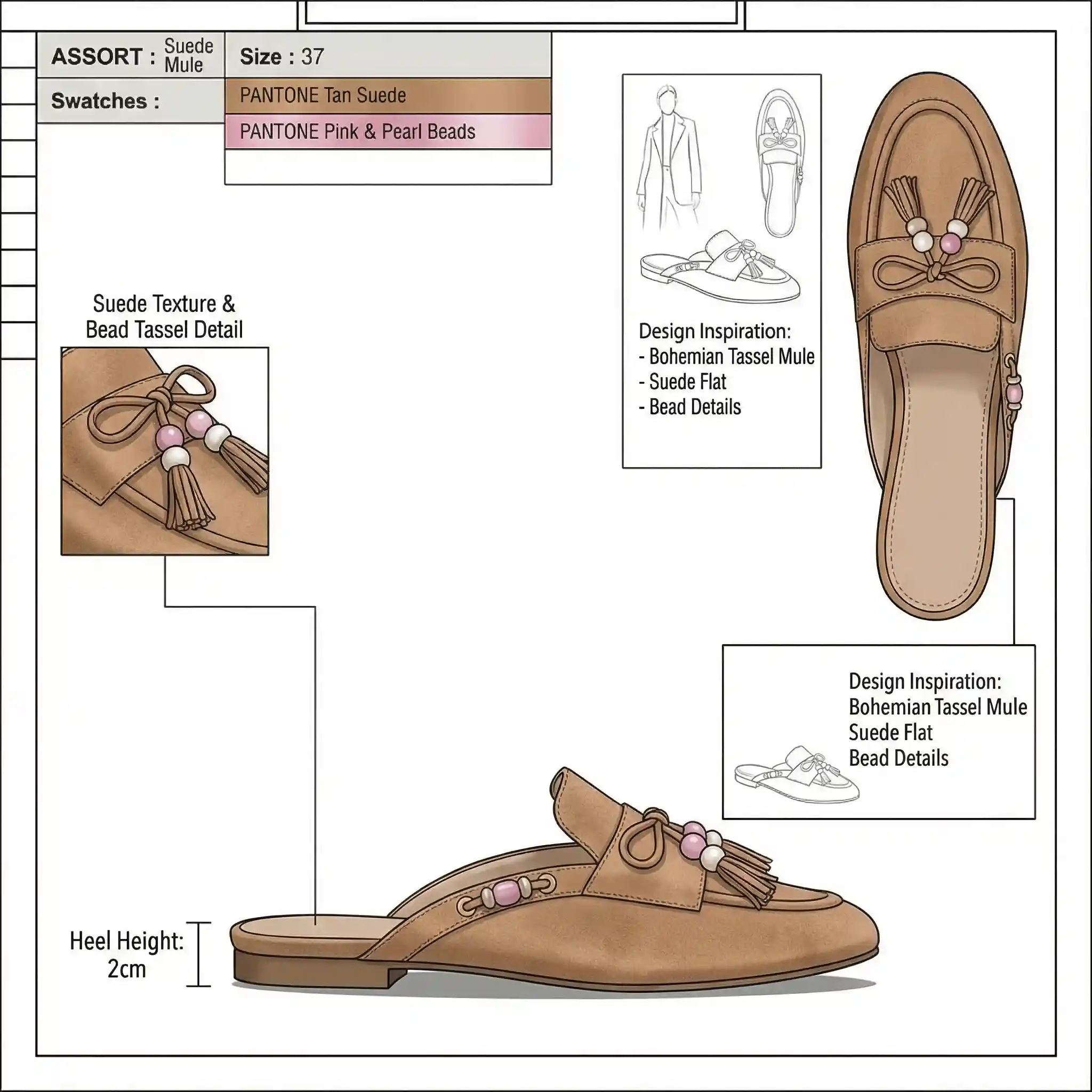
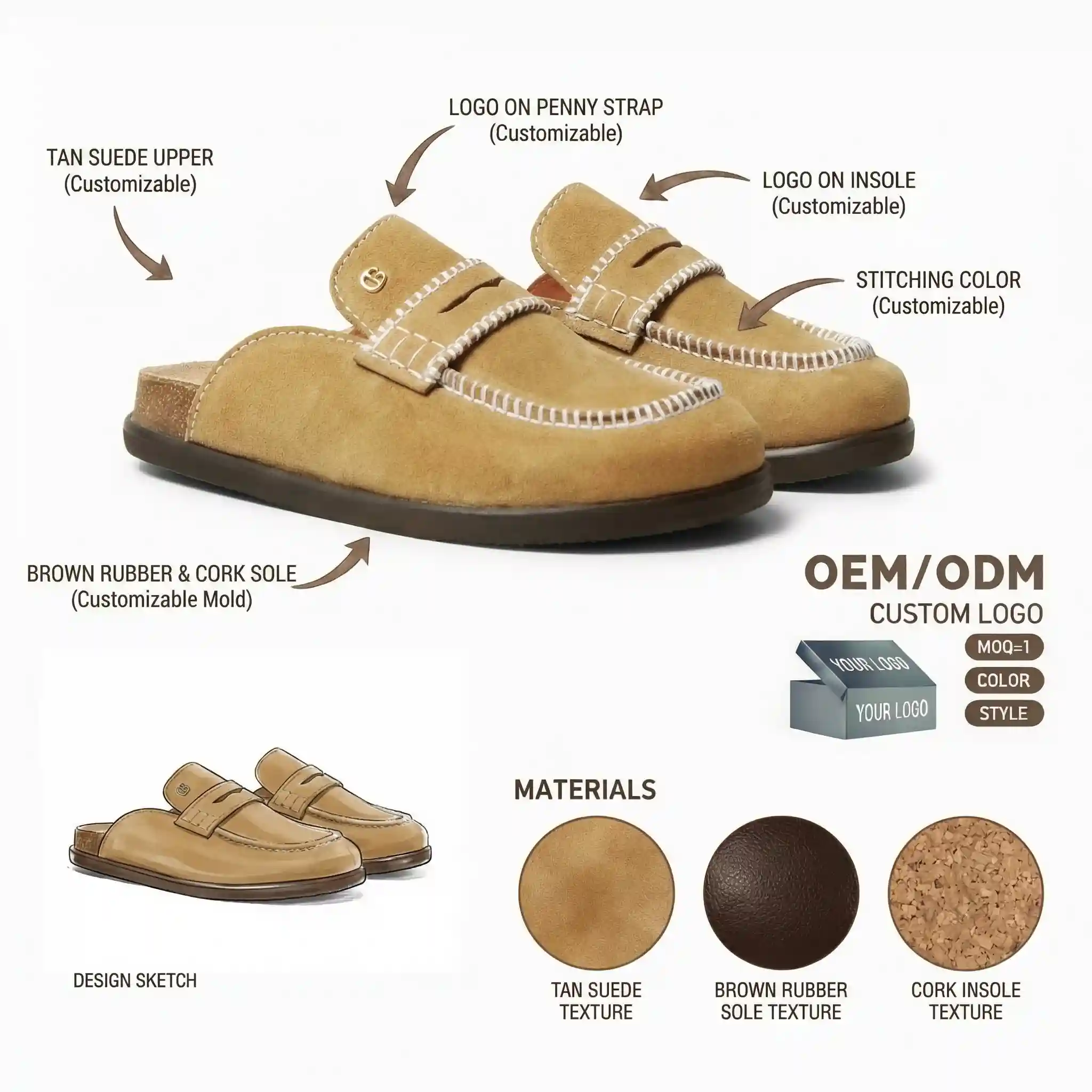


Eco-Friendly Shoe Industry Practices Market Leader Sets the Industry Standard
Global footwear buyers are increasingly prioritizing sustainability, and a market-leading producer is shaping the standard. By integrating responsibly sourced materials—recycled synthetics, bio-based foams, and responsibly tanned leathers—along with low-emission energy, water conservation, and waste reduction, they demonstrate how scale can drive real environmental impact. Transparent supplier engagement and independent audits reinforce ethical practices across the value chain. For procurement teams, the payoff is clear: steadier supply under evolving regulations, lower lifecycle costs, and enhanced brand resilience. Standardized supplier collaboration, closed-loop packaging, and design-for-recyclability reduce risk and unlock material savings. Third-party certifications and continuous performance data give buyers the confidence to commit to long-term partnerships. As these industry-leading practices become the norm, buyers will expect digital tools—product passports, traceability records, and real-time sustainability dashboards—to inform decisions. The future of footwear sourcing hinges on responsible innovation, robust supplier networks, and measurable environmental and social impact that goes beyond compliance.
| Metric | Unit | Global Avg (2023) | Market Leader (2024) | Change vs 2023 |
|---|---|---|---|---|
| CO2e emissions per pair | kg CO2e/pair | 4.0 | 1.8 | -55% |
| Water usage per pair | liters/pair | 12 | 5 | -58% |
| Recycled materials in upper parts | % | 42 | 68 | +26 pp |
| Outsole materials from recycled/bio-based sources | % | 25 | 45 | +20 pp |
| Energy consumption per pair | kWh/pair | 0.9 | 0.38 | -58% |
| Waste diverted from landfill | % | 72 | 93 | +21 pp |
| Certifications held (avg per leading brand) | count | 1.3 | 3.0 | +1.7 |
| R&D investment in sustainable materials | % of R&D budget | 6% | 12% | +6 pp |
| Take-back/repair program coverage | % of products | 22 | 58 | +36 pp |
| Customer sustainability score | out of 100 | 68 | 89 | +21 |
Related Products


Eco-Friendly Shoe Industry Practices Where Innovation Meets 2025 From Concept to Delivery
Top Selling Products






- Related Blog
- Reviews
- Reviews
